
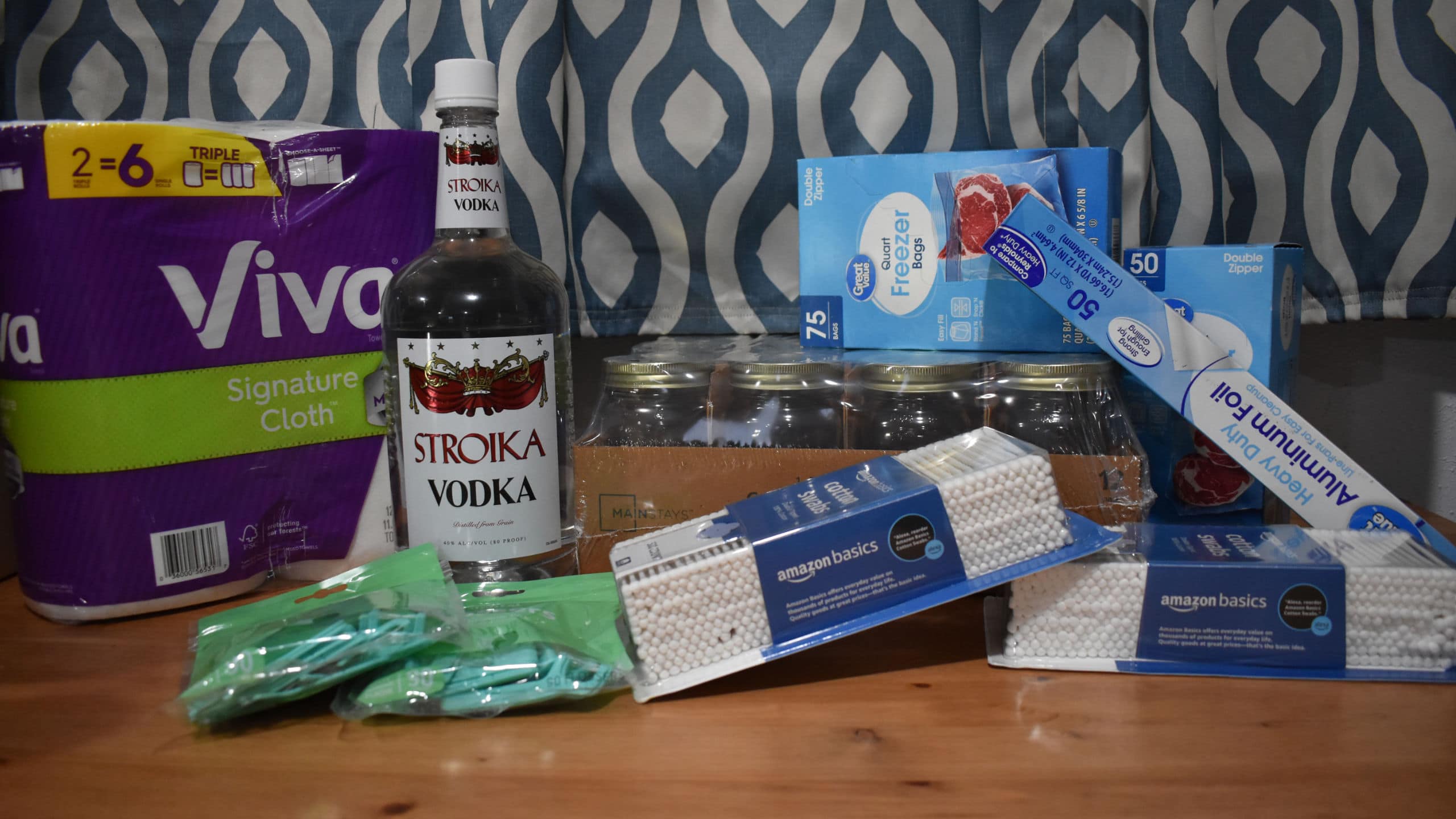
Being prepared involved a lot of things. Not only are there basic survival items, but there are also niceties.
Everyone knows the basics. Food, water shelter. Check. But what about the nice to have? Or items to have for trade?
If you start out with a complete 72-hour kit as the beginning of your preparedness journey, most lists will contain a few nice to have items. Things like a toothbrush and toothpaste. While it’s unlikely fresh breath will keep you alive a day longer, after a long hard day, a clean mouth can be pretty darn inviting. And when you get down to it, getting sick from bacteria in your mouth is probably not going to help your survival odds.
As you expand past the 72-hour kit and build full stocks in your home, often food and water take priority. Which makes sense because you can survive on food and water much longer than deodorant.
But the core essentials to your everyday life should not be ignored either. In our family, we have a category called “Non-Food” in our tracking system (yep, I thought long and hard on that one). Inside, it contains a list of all the non-food related things our family needs on a regular basis.
Well beyond the toilet paper, comes things like toothpaste, toothbrushes, deodorant, diapers, trash bags, and other basic living items. Over the last year or so, we have worked hard to purchase two or more of these each time we need one.
Additionally, we have included things like fabric and sewing supplies so we can repair clothing. It does not take long to build up a stock of razor blades when you buy two each time. No, they won’t last forever and may never get used when crap goes really sideways. But I bet the extra feminine hygiene products would. Even if we don’t use them.
Which leads me to another category you can stock up on. Items to trade. There will always be things that maybe you don’t use, but others feel like they can’t live without. Coffee, alcohol, and the like will be highly sought after commodities. With even just a little, you can open the door trade for other essentials you might need more.
Start this week by taking an audit of the things you consume that are not food. Then with your list in hand, decide how many you need to last for a certain time from. Start with 3 months and decide what is reasonable to your family, give storage space and other constraints. In the end, the key is to prepare for all kinds of situations. And part of being prepared includes a few niceties.