
Disclaimer: I was not present at either incident I am talking about today, and in no way fault anyone directly. My statements this week are made broadly, as an open question to humanity.
Recently, we saw in the news that five adults drowned. The first was the original victim. The remaining four attempted a rescue. It’s a heartbreaking reminder of how quickly a situation compounds. Another incident I heard about was a farmer struggling to control a small roadside fire on his own for quite some time as cars continuously passed by.
In the first situation, we hope that people would jump in and help. It’s the heroic response we want to see. Tragically, in this case, it ended in disaster.
Even in the heat of a situation, taking a second or two to assess our surroundings can prevent further loss of life. The common thread of “look before you leap” springs to mind. When we jump blindly into action, we can inadvertently make the situation worse.
To put a movie spin on it, Mr. Incredible leaps to save a jumper from falling, and ends up on the wrong side of the law. One heroic act turned into a complex mess for all heroes.
On the flip side of that coin is total indifference. We get so wrapped up in our daily lives that we put blinders on to the world around us. As cars drove past the farmer at the roadside fire, no one wanted to delay their schedule to help someone else. We arrive at our destination, pat ourselves on the back for making it on time, and don’t give a second thought to how we could have helped.
It’s easy to get trapped in the bystander effect and assume someone else will handle it. Other times our impulse to react comes too slowly, or maybe we didn’t have cell service. The result is the same.
I remember a few years back watching a lady decide what to leave behind as she checked out at the store. By the time my brain reacted, it was too late. She finished checking out and was out the door. The internal war slowed me down, and I missed my chance to serve.
There is a balance between reaction and inaction. Too slow and we fail to help; too fast and we add to the incident.
Unfortunately, this race has no real finish line. Sometimes you have time to think. Other times you don’t.
Finding the right balance takes practice. What you really need is a willingness to help, even when your own chips are down. From there, mix in a little caution so you won’t lose all your chips in the process. Going “all in” rarely works out like it does in the movies.
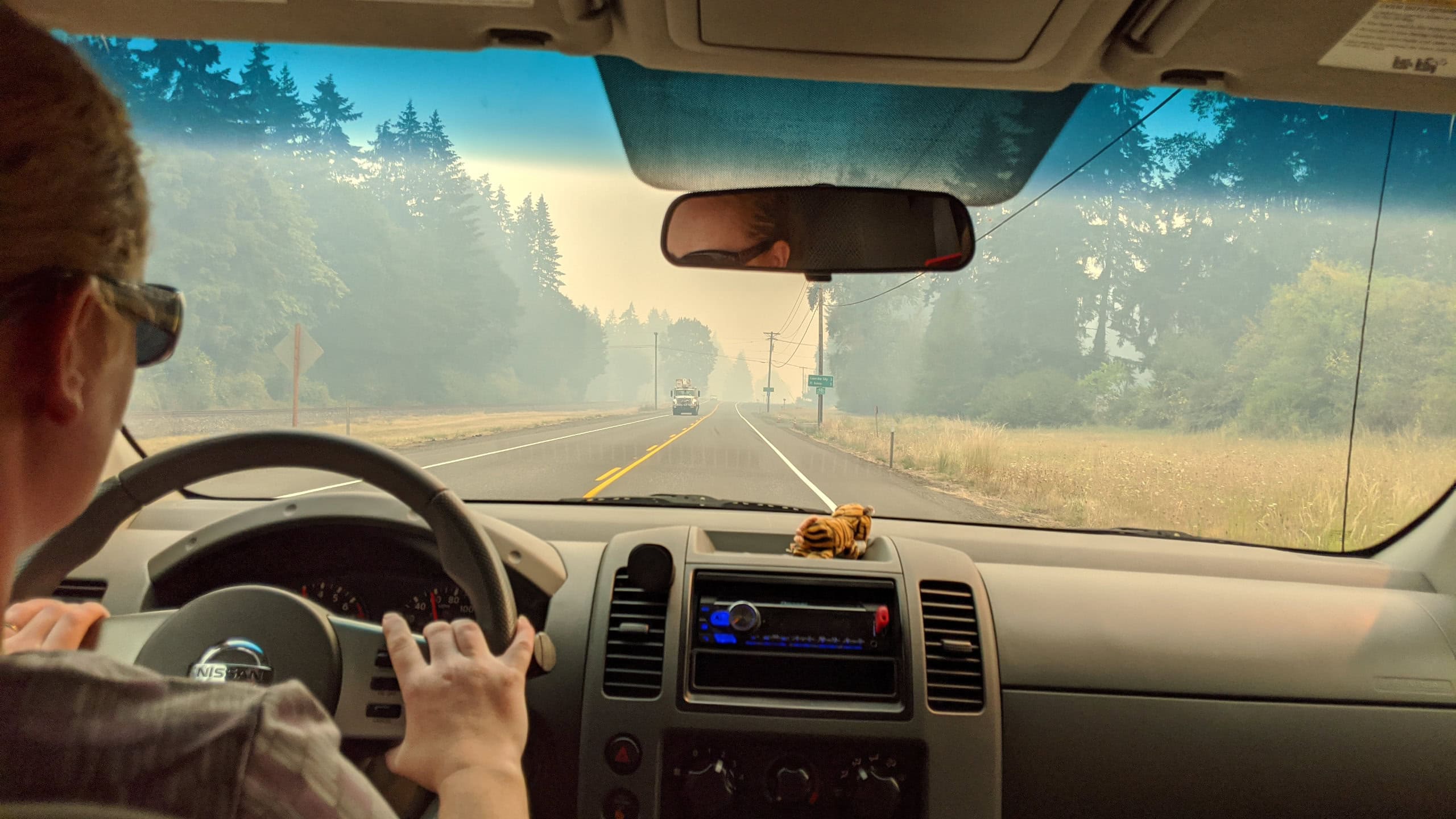
The next time you hop behind the wheel, ask yourself how you can be more aware of what is going on around you. Keep your eyes open. When the opportunity arises, take a quick breath, assess the situation, and act intentionally.
Use this quick mental framework to choose your next action:
- Pause & Observe: Is it safe for me to step in, or will I become another victim?
- Identify the Need: Do they need immediate physical help, or a phone call to 911?
- Decide Your Role: Action isn’t always physical; calling 911 or safely stopping traffic might be the best way to help.