Self-Sufficiency. Such a great concept when you think about it. If I have everything and can do everything myself, I am not reliant on anyone else. Yet there is a huge hole in modern self-sufficiency.
There are only 24 hours in a day. We all know this. And therein lies the rub. We cannot possibly keep up on everything and handle it all entirely on our own.
If you consider average family size and living styles today, this problem becomes much clearer.
In 1850, the average family size was 6 people. Combine this with extended family, where grandparents, parents, and children typically lived together, you had a lot more farm hands to keep up on the daily work.
Now contrast the past against the modern family. The average household had 3 people in 2020, and they no longer live in tight family clusters. Grandparents and parents don’t typically live together. And children grow up and leave home to start a life elsewhere.
With less hands running the farm, the chances of success plummet. Even with modern automation and tools, the reality of 24 hours quickly catches up. And 24 assumes you never sleep either.
Food security and viability are now at the mercy of time. Throw in a single failed crop, which happens even under the best circumstances, and you are upside down on your necessary supplies to survive the winter.
Let’s also not forget mental burnout or physical injury. If you are alone, any one thing can disrupt the daily input to your master system. An hour here and hour there adds up when no one is there to help with the load.
Community offsets the fragility of the self-sufficient system. More hands on deck to handle the daily tasks, and the unexpected glitches.
The core responsibilities of self-sufficiency
If you are going to focus on self-sufficiency, you have to clearly define what you deem is outside input. Even in a closed family system, you will need outside input to get the ball rolling.
For example, a purchased tractor or fuel is outside input. They will eventually offload labor but require initial labor (or payments) to cover the input. Often an outside job helps us purchase the land and initial tools to get things moving.
Once moving, the journey to self-sufficiency operates around building critical buffers.
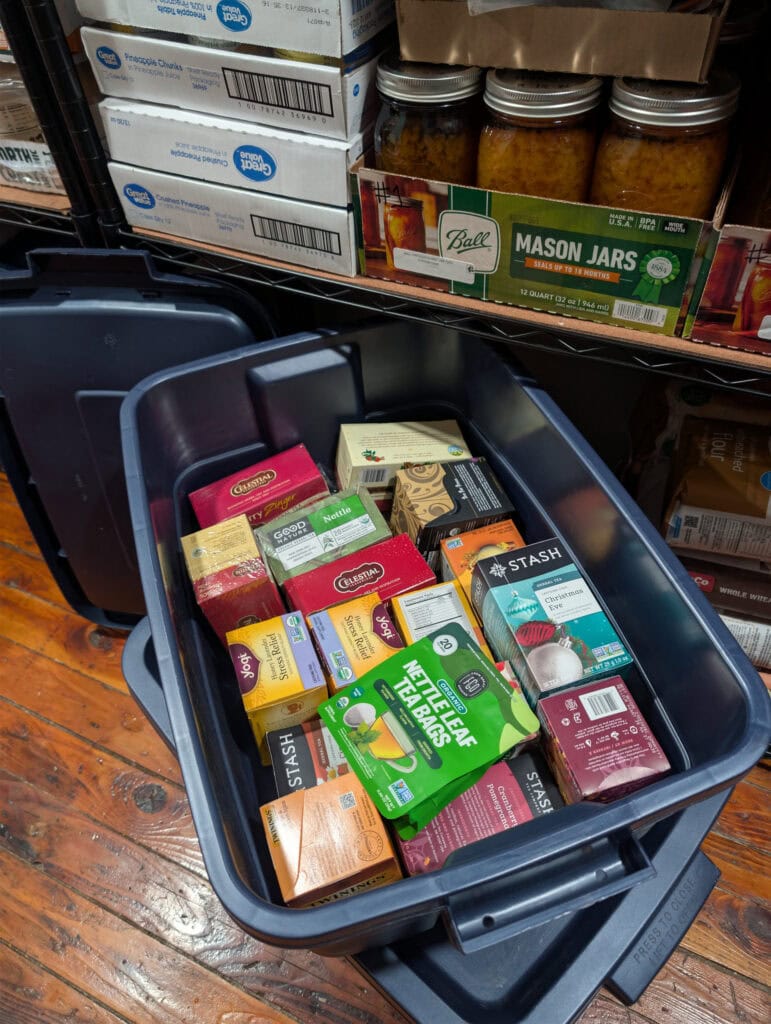
Deep food buffers
Your system needs to move beyond just growing your needed daily food. It’s no longer about growing food to sustain you today or tomorrow but creating a system that stores up food over the long term.
Long term storage helps smooth out unexpected bumps in the road and keeps your family safe.
This takes not only an amount of food, but skills involved. Being able to grow food successfully is the first step. Then you need skills to store it safely over a long term, whether that is canning, freeze drying, or dehydrating. Plus, the tools to do it all.
Raising animals takes skills in managing their needs and keeping them safe. I could easily have 20 chickens and get eggs for today. But I also need to know how to stock up eggs for winter, hatch eggs to replace aging birds, curing any ailments to maintain a healthy flock, and produce the necessary food for my flock.
Family Readiness Systems
Readiness is not just for emergencies. Creating the daily systems that keep things running smoothly are part of being ready for anything life throws at you.
Written systems give you the power to offload tasks to others. On your homestead, being able to share the workload frees up mental bandwidth. It also helps to resolve a critical bottleneck.
A written system can be passed to another family member when you end up sick or worse. This allows your homestead to continue functioning in spite of hiccups along the road.
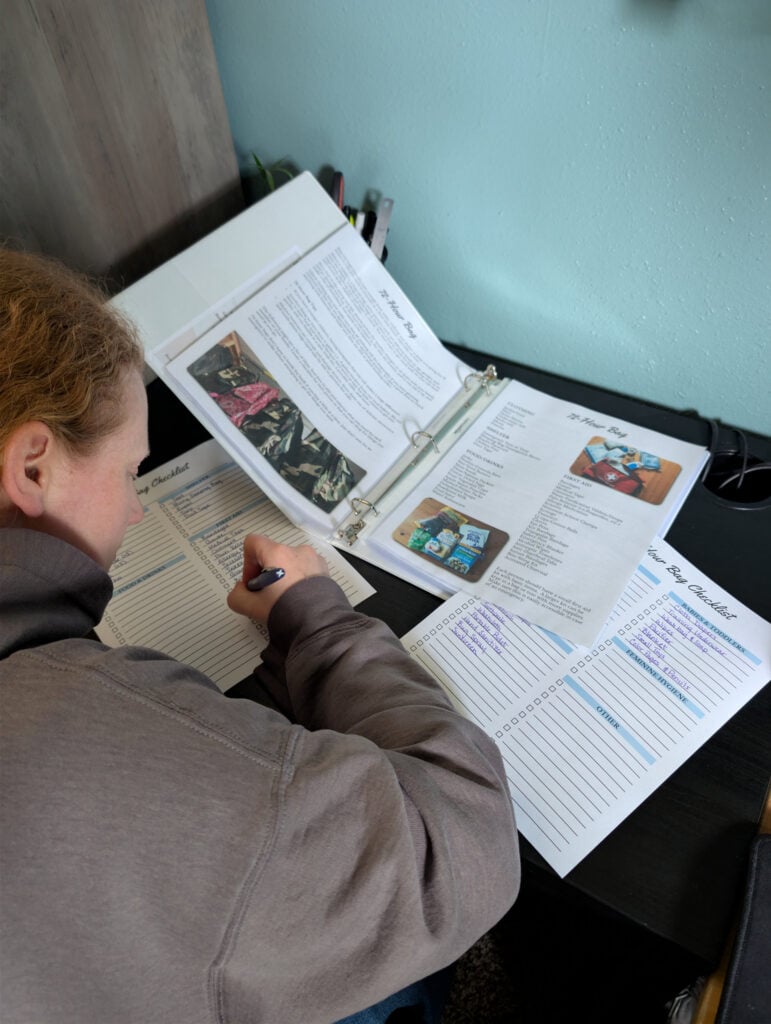
Family readiness systems should not only give instruction on tasks to be completed, but on logistics. Knowing how much of each supply you have is critical to self-sufficiency. And it goes beyond food. Fuel, toilet paper, and so much more need to be tracked.
Strong organization is the key to success in any system. Guessing if you have enough of something will lead to failure.
And don’t forget that the system needs to change and adapt to circumstances. As a father of five, I have watched our grocery needs change over the years. While I need pullups today, in a year that need goes away. On the flip side, our food needs grow and change as the children continue to grow up.
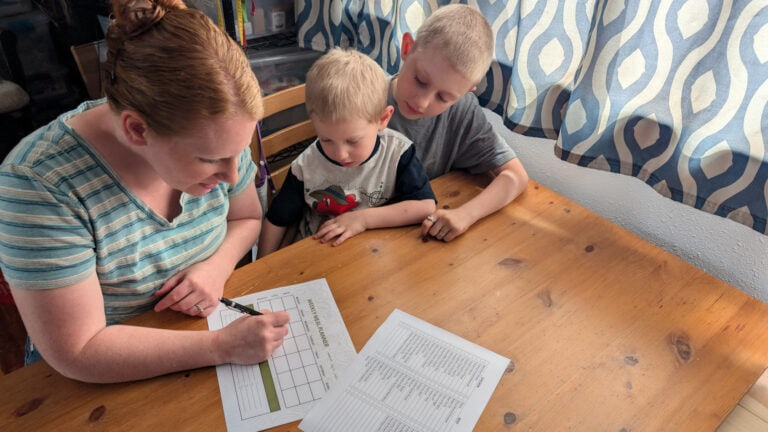
Our family preparedness binder is a great way to shortcut creating your written systems and start getting them built today. Grab either the physical preparedness binder or digital copy to start filling in your family readiness system.
Critical utility and survival buffers
Becoming self-sufficient means removing your family from outside needs. Yet one of our biggest outside inputs is utilities and basic survival needs. Water, power, heating, and medical care to name a few.
While you can stockpile food, it’s rather hard to stockpile medical services. All the books in the world might not solve a true medical emergency. Not to mention our brains are unable to store so much information in a useful way.
Utilities are also hard to resolve entirely. Water needs to move from city dependency to hand or wind powered pumps. Electricity becomes on-site generation. Heating falls back to wood. Not even a pellet stove is very effective for true self-sufficiency. And unless you abandon phones or internet, your needs will still have outside influences.
Then comes backups. And backups of backups. Spare parts for any conceivable breakdown. Not to mention the space to store those items. The requirements in space and needs are mind blowing.
Solo is a single point of failure
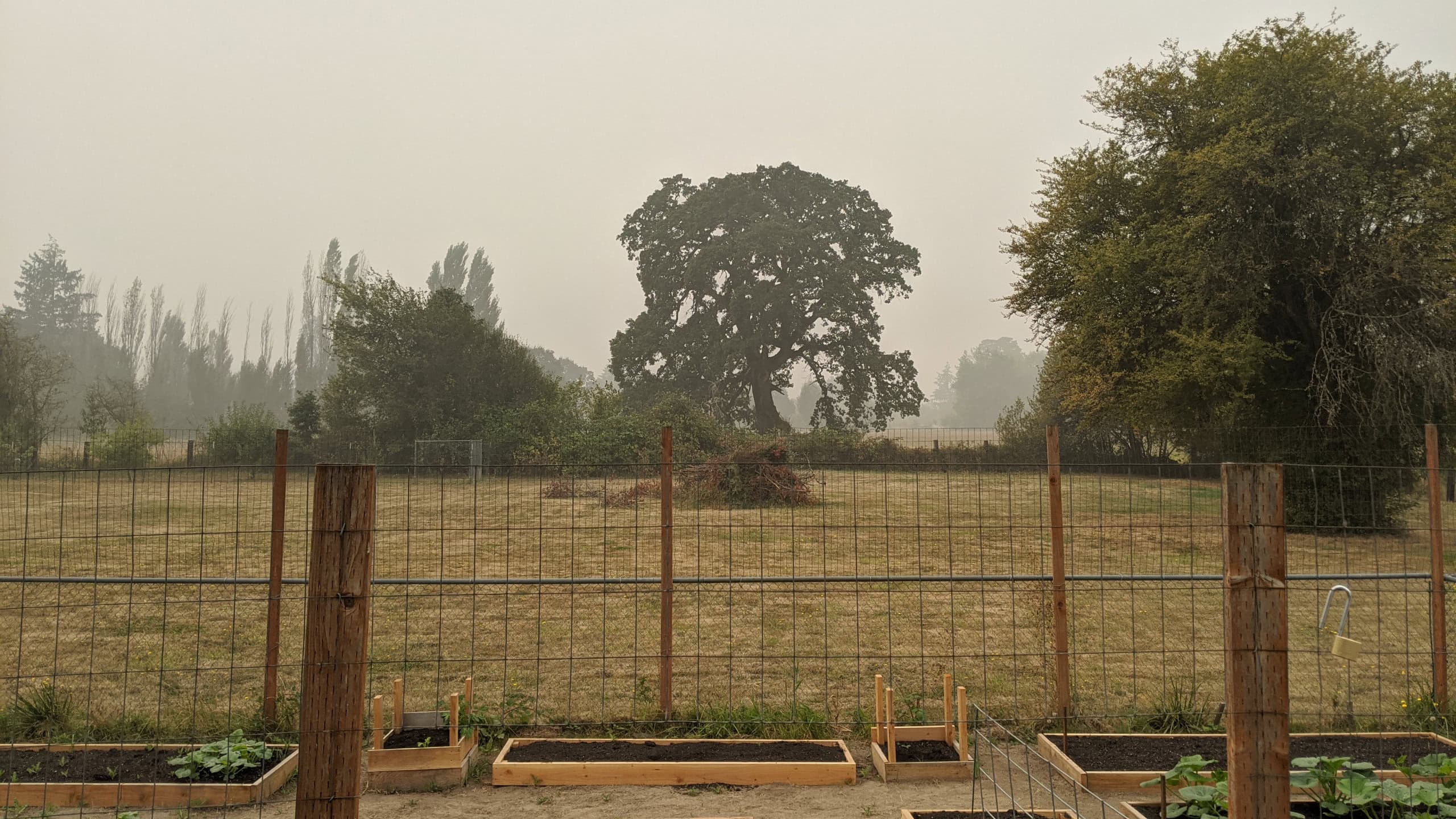
Let’s walk through a single day on a homestead with two milking cows, chickens, rabbits, and a ½ acre garden. Ideally the day starts as the sun rises. All animals need feed, cows milked, garden watered before the sun gets too high in the sky. A walk along the fence, meals fixed, laundry, home and barn maintenance. The list goes on and on.
This daily routine is inherently fragile. A cow ending up sick takes time. Soon enough the garden watering gets missed. Or voles infiltrate the garden wall and start taking out your precious zucchini. Now something else falls behind while you deal with the ‘emergency’ of the day.
Even if the systems are running perfectly. You might eventually want a day of rest. Or a vacation.
Running the system entirely alone as a single family removes any outside abilities. You are tied to your system. It’s impossible to leave without the system breaking down or taking a hit to the production capacity.
Self-sufficiency breaks down while community survives. It’s not luxury, it’s built in redundancy.
The Community Sufficiency Advantage
Stepping back from self-sufficiency and moving to community sufficiency is logical. You are trading the daily pressure of everything and turning it into a finely tuned machine. Each person has a job in a greater system.
This mirrors life now. While I might be able to build a house, I certainly won’t be as good someone who has dedicated their life to construction. On the opposite site, my writing and business skills are likely better than a line cook. We all have our place in the world. And we should all have our place in our community.
Trade & barter creates specialization
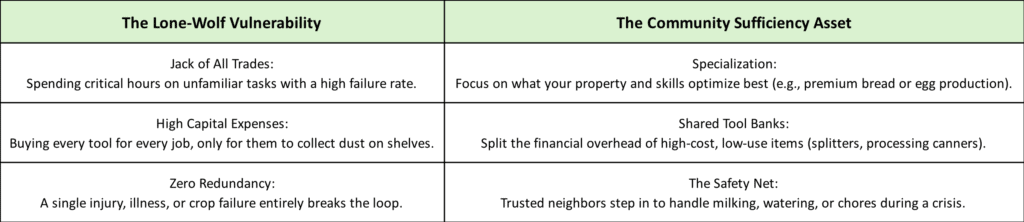
Instead of trying to be a Jack & Jill of all trades, in a group, each person naturally becomes a specialist. Skills are strengthened.
On a homestead level, let’s say I am an ace at making sourdough bread. But I can tell you right now, cattle are not my thing. Sure, I could adapt eventually. Yet my livestock skills will never be as good as someone born and raised on a ranch. And likely the rancher won’t be as proficient at producing bread.
This is where trade and barter shine.
My loaves of bread become the payment for my steak dinner. And vice versa. The community is successful because we each stayed in our lane and traded our value made goods to our mutual gain.
Only your community can collectively define the worth of an item. Which is in reality how the world works today. The dollar I give you has been defined by the community as worth something. Really, it’s just a fancy piece of paper. If you were to decide that a dollar is worth nothing, as is common in society or government collapse, the system breaks down.
Barter relies on the community and personal needs to define value. A steak dinner means nothing when I have too many steaks already. Trade gets everyone the items they need in the community, based on the overall community needs.
By focusing on one lane instead of a dozen, you can increase your base value or ability to fulfill needs in the community and trade for what you need.
A greater bread making skill means less failed loaves. Which provides more to trade for grain and other essentials, which supplies more bread to more people in the group. A nice big loop. As it’s said, a rising tide lifts all ships.
Community creates shared infrastructure
Being self-sufficient means you have to own everything. From the biggest tractor to the smallest shovel. And as I mentioned before, there is a massive cost to that input. One that most families cannot afford to even start.
Yet in community sufficiency, sharing becomes natural. Instead of having to own all the things, many of which will sit on a shelf unused every day, I can borrow the tools I need.
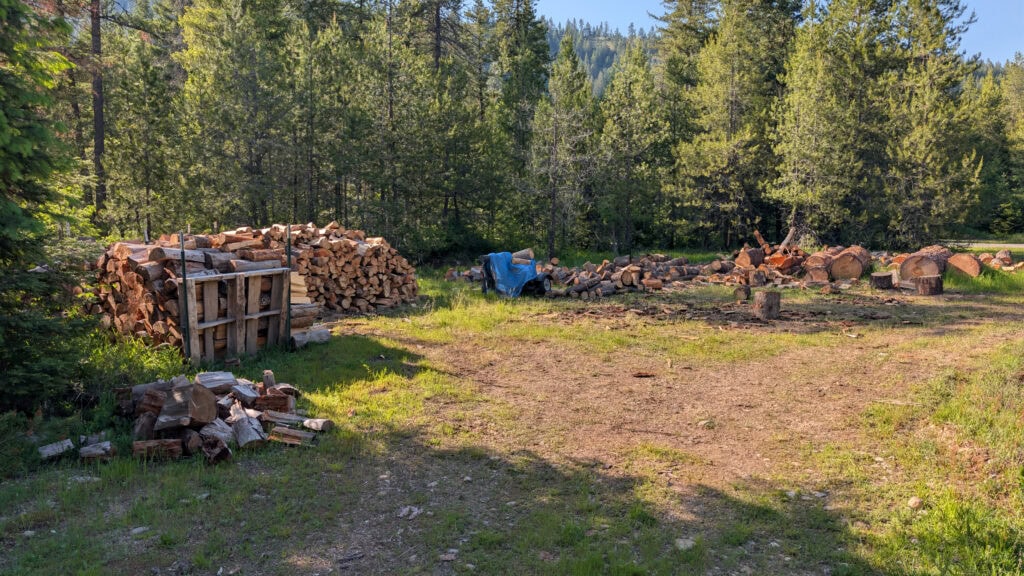
Having a community library of tools allows many to share the high-cost low-use items. Heavy processing equipment, large volume canners, wood splitters, and even butchering equipment can be shared across many.
While one family may have initially purchased the equipment, the community helps to cover the large overhead. It becomes worth it to buy because it’s being used rather than collecting dust. Using the age old tradition of barter, the community pays you with food and other goods for the use of your tools. And you in turn have more of your needs covered.
The same works with community services, not just tools. I am not a medical professional. But I do have medical training. I also have experience directly in multiple births. Not just sitting on the sidelines but as the active person handling the delivery. Those skills are something I can trade or share in the community. The skills are of value, and in turn the community can help with my needs in trade for my services.
Skills are just as much of a community commodity as tools are. And everything and everyone can serve a great need in a small community.
The hidden safety net
Community sufficiency also brings about a large safety net. Gone are the days of doing it all yourself. You now have a trusted set of people who can handle things if you cannot.
At least once in your life you will end up sick. With a community backing you, that sick day turns into a rest day rather than a day of panic. People can help take care of the animals, water the garden, or even help fix a meal for your family.
This safety net extends beyond barter or trade and into the personal connections that create real bonds. You might already have something like this in your church community. Everyone pulls together to fix meals for families who are struggling.
Friendship and lasting bonds are created in a community sufficient environment. It’s not about what you can get from the community. It’s about what you can give to sustain and support those around you.
Community sufficiency fosters Christ-like love
Beyond a safety net, and beyond shared tools, comes love. Community sufficiency creates the right environment for showing Christ-like love to our fellow community members.
When everyone in the group genuinely cares for one another, they all want each other to succeed. And often times, members will do things that no one would expect. We see this in effect today when one family gives up much of their excess and then some to another family who experienced a catastrophic house fire.
Rather than donating for gain, the community comes together for common good. A chain is only as strong as its weakest link. Going solo makes lots of weak links. Community sufficiency encourages everyone to keep others strong for the good of the whole.
Christ never taught that we should go it alone because no one else can be trusted. Instead, He taught that we all should work together and show love through support and kindness. Service before self, as He did Himself.
Building your community
A community rarely just happens. Sure, people may congregate together. Or you might become friends with a neighbor. But intentional community building takes effort and thought.
Start with where you are and answer these questions.
- What skills and tools can you bring to the table that are of value to others?
- Look at creating a group of people who can use the skills you bring to the table. What service can you provide to others that they might need? Looking outward first keeps us from focusing only on our wants or desires.
- What skills or tools would help your family create long term success? How can you complement someone who has the things you need for success?
- Take my bread making example above. To make bread, you need wheat. To grow and harvest wheat takes tools and time. In turn, your long term success requires wheat. For the grower’s long term success, they need help harvesting and processing the wheat. Mutually you can come together to create a successful partnership.
- Expand your community resilience by asking what the community is missing to be successful and who can fill that role?
- Finding new group members is part of maintaining a successful community. People will naturally move or their needs will change. As a community member you should be looking to expand the group’s skill base, strengthening its ability to stand alone should something happen to the outside world.
If you are not sure where to begin with creating a community, we put together a guide on Starting a Preparedness Group that covers the basics of community building and finding like-minded people.
Changing your solo mindset changes your world
Moving from self-sufficiency to community sufficiency means changing your perspective. Going from ‘How much did I do alone today?’ to ‘How deep are my community roots and where can I grow them deeper?’. It involves removing any god complex. But the rewards are well worth the effort.
No one wants to stand alone for the rest of their lives. Humans are naturally community driven. And the myth of going solo, while tempting, is just that: a myth. No matter how hard you try, you will always need outside input into your system.
The sooner you step back from the mindset of absolute self-sufficiency and move toward community sufficiency, the sooner the weight will be lifted from your shoulders alone and the burden shared over many.