Power outages are a matter of when, not if. Even living in a city center does not make you immune. And let’s face it, most of us cannot go off grid entirely. Reality means you need to prepare to lose power and have a plan in place to keep chaos from taking over.
Family resilience is simply planning ahead. Thankfully, power outages are easy enough to prepare for. A short-term outage shouldn’t be an emergency scramble to find the right items but rather an organized execution of a well-rehearsed routine.
The First 30 Minutes: Your Family’s Power Outage Protocol
What you do first in a power outage is the most important. Wrong steps here can cost you food and water supplies that you can’t afford to lose. It also dictates the atmosphere of the entire house.
Remaining Calm
Power loss is not doomsday. If you have planned ahead, everything should be in order. As the adults and leaders of your household, you need to set the mood for your entire family. Even if you are afraid of storms, your children need you to step up and remain calm. From your calm they can build strength.
Your first goal should be to assess the situation. Is it just your home that has lost power, or the entire area? The scope of the problem changes your next steps. Verify outages against your local power company website using a mobile device. You never want to be the only one out and the power company does not know about it.
Not long ago, our whole family was at a homesteading event. When the power flickered out, we dropped into assessment and connection mode. We first determined that the entire fairground property was without power, and we began gathering the kids from their various locations. It all happened calmly and with the mindset of keeping everyone safe and sound.
Contrast this event with another time we got caught in Walmart during a short outage. The homesteaders remained calm, pressing on. The Walmart shoppers began to immediately panic. The difference was mindset. Being prepared creates a better mindset and helps you stay calm in any situation.
Assign Roles to Household Members

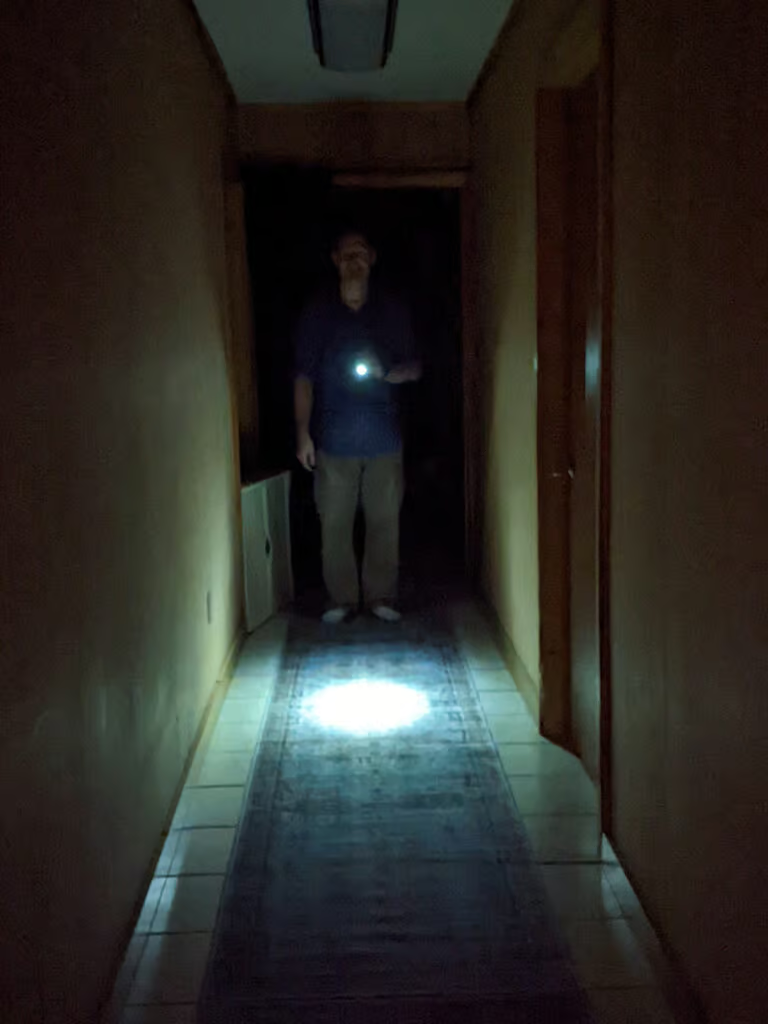
Part of keeping the kids calm is giving them a job. Even your 3-year-old can get a small task to complete. For example, our youngest boy can gather flashlights and give them to each person as darkness falls. As adults, we planned ahead and placed one in each room, so the task is easy for him to accomplish.
Older children can handle going around and unplugging sensitive electronics or unprotected items. They can also initiate safe shutdowns of devices on backup batteries to conserve energy.
When your children know what to do first in a power outage, they are less likely to panic. Instead, they fall back onto training you built before the incident.
Food Preservation: Managing Fridge and Freezer Resources
An extended outage lasting upwards of a few days brings more complexity to your food situation. Fridges and freezers can only hold cold temperatures for so long before they are compromised and begin to affect the food they contain.
The average residential fridge will hold cold for around 4 hours if it is not opened. After this, the temperature will start to rise. Shortly after, sensitive foods like milk will begin to sour faster. Stand-alone freezers will last longer, especially if they are chest freezer styles which hold the cold air in better when opened. The average freezer will last around 48 hours if it’s full and unopened, after which the food will begin to thaw.
The No-Peeking Rule
If your kids are anything like mine, they will open the fridge and stand there forever trying to decide what they even opened the door for in the first place. When the power is on, this is rather inconvenient. Yet, when the power is out, that open door quickly dumps all your cold air on the kitchen floor.
Establishing a rule of no peeking for the fridge will help preserve your food. Ideally, make it a rule that only an adult opens the fridge to prepare meals.
Menu Planning is Key
If the power is planned to be out for more than 24 hours, it’s time to adjust your meals and plan around what you have in the fridge that needs to be used up quickly.
Switch to a systematic plan: Fridge items > Thawing freezer items > Shelf stable essentials
It’s better to use what you can before it spoils. Even if you have to replace those items on the menu later or go through considerably more milk than you normally do. I doubt your kids will complain about drinking all the milk!
Cooking Off-Grid: From-Scratch Meals While Off-Grid
Just because the power is out does not mean you can only eat peanut butter and jelly sandwiches. Utilizing camping stoves and BBQ grills opens up options for you to continue your cooking routines without sacrificing your ability to cook from scratch.
Cooking out of your from-scratch pantry will come in handy. If you have not created one yet, there is no better time than the present. Check out our guide on building a from-scratch pantry to get started today.
Cooking Safely While the Grid is Down
Even if your home has a gas stove that still works, you likely have a powered hood vent. This vent is critical for the safe removal of carbon monoxide and other exhaust fumes. If the power is out and your vent is not functional, you must replace the air in and out with enough ventilation.
A better and safer plan is to move your cooking outside. Carbon monoxide is a silent killer that you cannot smell, and the flame slowly consumes your oxygen.
If you switch to camp stoves or a BBQ grill, do not bring them inside. Set up a cooking space under a covered patio and cook your meals outside.
Keep Cleanup Simple
When the power is out, water and other resources are limited. Swap out complex meals that require lots of dishes for single-pot meals. Fewer dishes are easier to clean up.
Boil water in a single pot but make sure you set up a 3-stage system to wash dishes. Have soap & scrub, rinse, and sanitize stations. The last thing you want to do is introduce sickness to your grid down adventure.
Morale is Important: Activities to Keep Kids Busy
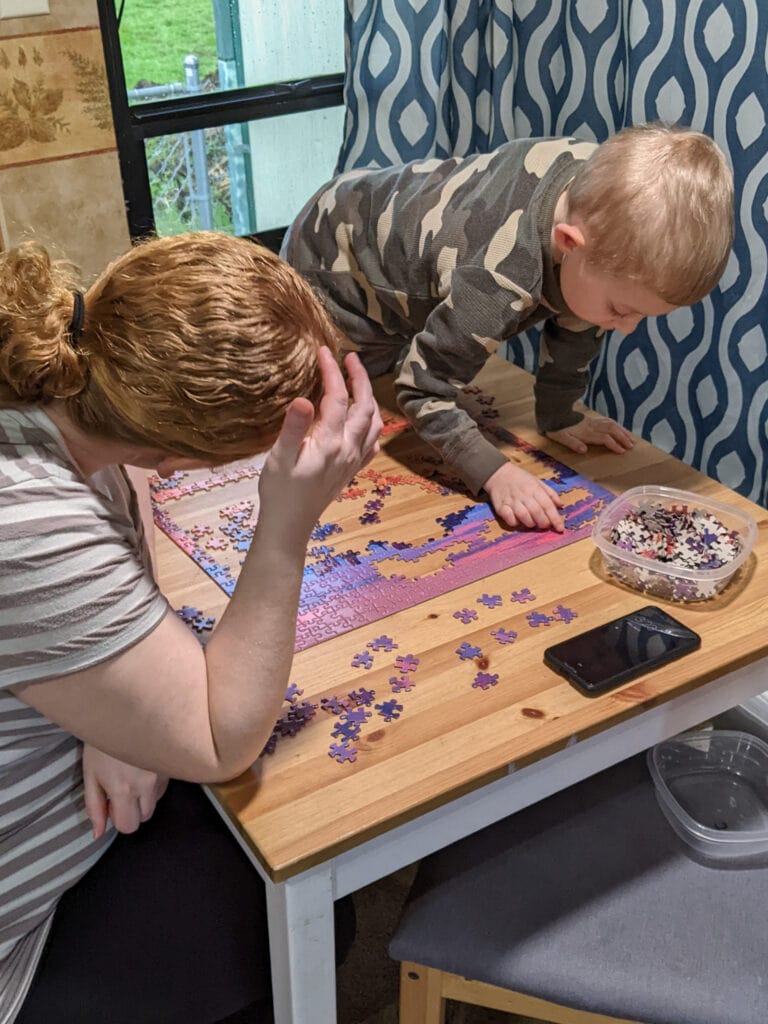
Maintaining routines helps to ensure the initial calm remains through the whole outage. The more you can keep your daily tasks on track, the less you will feel the pressure of things going sideways.
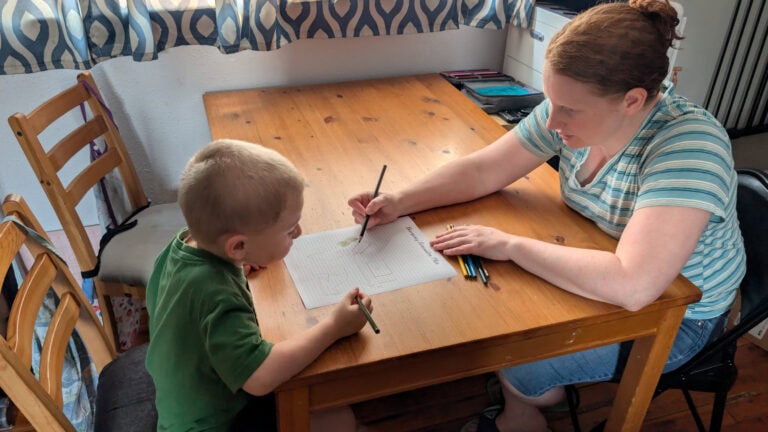
For our family, this could even include staying up on schoolwork. Since we do a lot of printed bookwork, they can still do math using the daylight coming through the windows.
Plan to have board and card games available. For longer outages, many kids will not want to go to sleep that first night. The excitement takes over and keeps them up. Games or books are a great way to encourage them to wind down and prepare for sleep.
Power Outage Backup Kit
You can place special games, books and snacks in a tote. That would make these items special and outside of the daily routine. This tote would come out when there is a power outage and adds a touch of fun to the whole adventure.
You can even add a few blankets, extra flashlights, batteries, and other essentials in the tote. That way you will always know where critical items are located and ensure they are available when you need them most.
Maintain Bedtime
It can seem convenient to allow everyone to stay up really late. And maybe you allow them to stay up late on the first night while the storm is raging outside the windows. Yet it is equally important to remember that the power will be restored.
If your children attend school, the power could be restored in the morning in time for school. Allowing them to stay up all night could lead to a bad day at school.
Having enough sleep daily is important for the attitudes of your entire family. We all tend to get a bit cranky when sleep is lacking.
Comms, Backup Power, and Utilities: Keeping Part of the House Online
Your family’s preparedness plan is not just for wildfire or other disasters. Part of your plan should also cover how to handle basic power outages. Having the details written down ensures everyone in your family can execute the plan, even when you are not there.
Learn about the importance of getting your plan out of your head and not winging it here. You never want to be the single point of failure while your family is dependent on you.
Communications While the Lights Are Out
A short-term power outage is the perfect time to implement your family communication plan. Test your off-grid contacts, and ensure the whole family is aware of the situation.
Power outages don’t happen when it’s convenient. Dad might be at work, mom might be at the store and the older kids at home. Making sure everyone is connected and aware of the situation is a key step. Power outages can affect primary services, traffic lights, cell service, and so much more. Getting a quick update ensures everyone is safe.
If you don’t have a P.A.C.E. plan in place for communications, check out our guide on family communications when the grid is down.
Keeping the Essentials Running
Before the first outage happens, you need to look at what is critical to stay online when the power is out. We have already talked about one obvious item: the fridge. But there are many more items that are just as critical if not more so.
Essential equipment, like your well pump, needs to have a generator planned for and hooked up, or at minimum have a hand pump installed on them. Having a well is useless when your water sources are trapped possibly hundreds of feet underground.
Medical devices and small electronics like phones should have a backup power source or battery to ensure they will keep running through the short-term outage. We have a few $30 or less cell phone chargers to keep the phones and radios running for a little longer. We also have a larger Solar Backup Battery that can run other key systems.
Make sure to add up everything you want to power and size the system correctly. Devices with a motor generally have a start up draw that can be many times larger than the running load. While your fridge might only need 600 watts while cooling, to start the compressor could take 1000 or more. Pay careful attention to the specs found on the appliance label.
Handling Sewage Without Power
Toilets take water, and you need to know how much and plan for their usage. Storing water or knowing you can use your well is essential here. Water also should be set aside for hand washing and hygiene to keep your family from getting sick.
Wastewater also needs to be considered. Municipal wastewater systems often have backup power, but for how long? The waste has to go somewhere. Even if you have a septic system, you might not be immune. Some systems need power to run pumps to drain the tank or operate a sand filter. And if your home has a basement, any plumbing fixtures down there often need a pump to bring the waste to surface level for disposal.
Ensure that you consider all your water intake and outtake to maintain a hygienic household. Sickness can be life threatening when hygiene is ignored.
Having a guide is essential when the grid is down
We can’t predict a power outage. But we can plan out our reactions to the outage. By creating a guide for your family, we eliminate fear and inaction. And in turn, we are able to keep everyone safe and utilize our resources to the best of our abilities.
The guide you create should not be a document on the computer. Instead, you should print the completed version and store it with your Family Preparedness Binder. Practice the plan, update it when things change, and know you are always ready for the grid to go offline.
It’s not about doomsday and nuclear war, it’s about being ready when the next storm hits.