
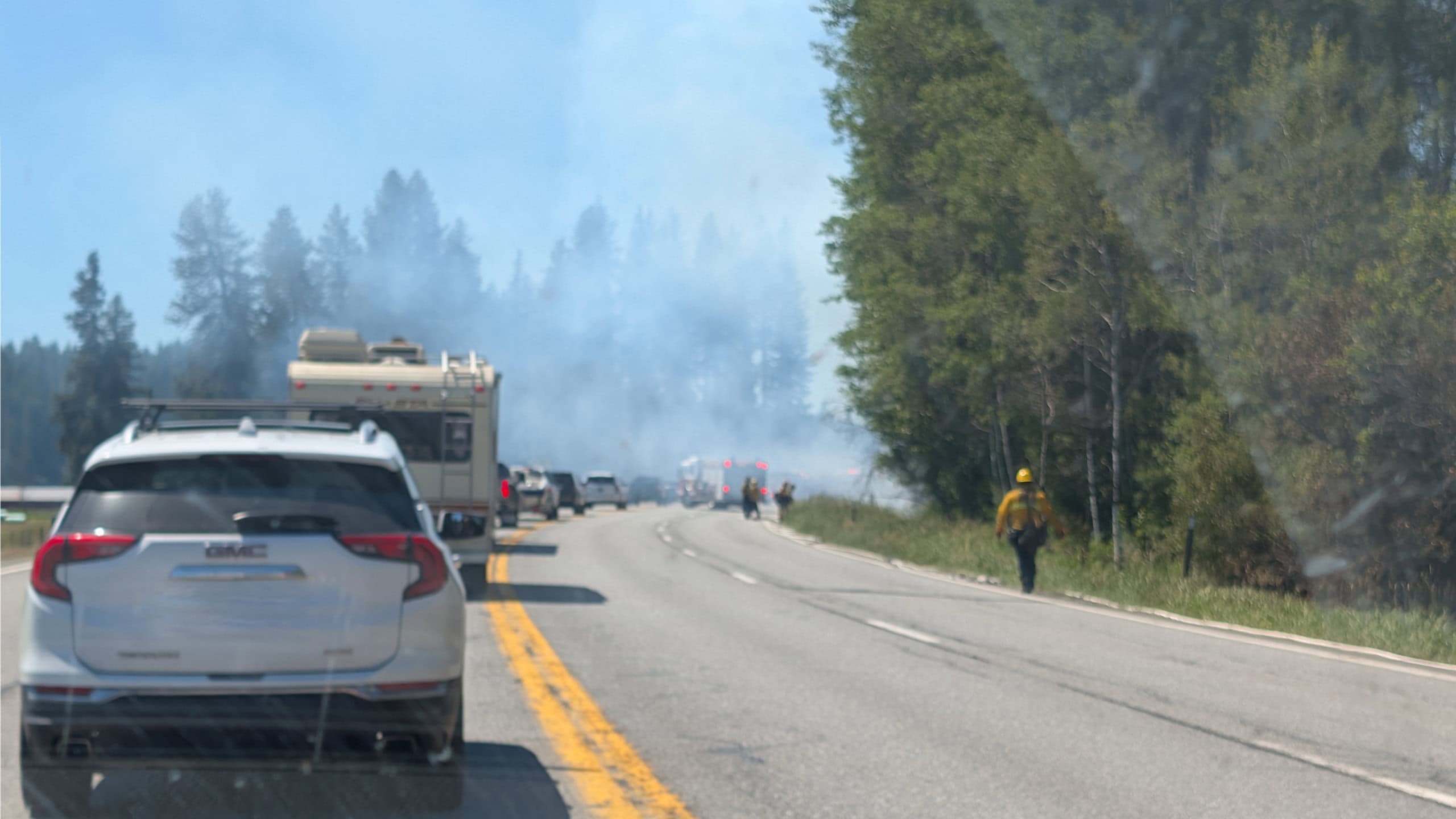
As we were traveling the other day, we got the unfortunate privilege of being a witness to a car accident. Thankfully we were not involved, were able to quickly help, and the 3 little kids in the back seat came out shaken but physically unharmed.
The accident happened because of split focus. The at-fault driver struck the mom and her kids because he was not paying attention to changing traffic conditions.
We all get trapped by split focus. And not just driving either. We say ‘Yes’ to something we should have said no to. Or we take on just a few too many animals.
The core problem is multitasking, which leads straight to overwhelm.
Most experts agree that the human brain cannot actually multitask. Instead, it relies on short-term memory to store its current place and rapidly switch tasks. Some of us can do this faster than others, but the end results are still the same.
In the case of this accident, the driver was distracted. His brain stored the state of traffic as moving, so he failed to brake in time. He had out-of-date information at the most critical moment.
Earlier in the day, we had to pass a wildland fire, seen at the top of this email. The rapidly changing situation and merging traffic was ripe for accidents. Conditions on the road and in life can change. When we are distracted or take on too much, we open the door for disaster to take over.
Plenty of times it’s not even our fault! But the more variables we carefully control, the more likely we are to be successful.
When it comes to our homestead, taking on too many things starts to create a backlog of incomplete tasks. The list creates cognitive load, leading to less short-term storage. Soon one piece of outdated information is actioned, and our world starts to fall apart. Or we forget a critical task and lose our garden… yes, the garden needs water, but not all night long!
Preparedness suffers just the same. Instead of small bites and moving forward step-by-step, we fall into the mindset of everything must happen today. In the end, nothing successful comes from overwhelm.
Instead of splitting our focus, maybe it’s time to step back and think about what we can really handle in our single stream of storage. 50 extra chickens might sound nice on paper, but the chores rarely pay off. Pay close attention to the risks before you say ‘Yes’ to that next project or split your attention while doing a critical task (like driving).
Less often becomes more. If you want more done, take on less to begin with. Then fill in new tasks when the old ones are 100% completed.
What are you going to do to stop splitting your attention?