
Disasters can come in any form. It also seems like more and more natural disasters are happening around us. And in places we would not have expected before.
While I strongly believe in being prepared, it’s impossible to be prepared for everything. Things change and the unexpected happens. Yet this does not mean you should throw in the towel on being prepared.
If you start at the top level and work your way down from there, you will at least have the basics in place. It doesn’t have to cost a hundred dollars, and you will feel confident in your ability to survive a wide variety of issues.
We all need a few key essentials to survive three days in an emergency.
The first essential is water. You can’t go without water for long, and a water supply is easily disabled or contaminated. In emergency situations, you cannot rely on outside sources of water. Store at least a gallon for each member of your family and more for cooking and other needs.
The next essential is food. Lack of food impairs thinking, which is not good in an emergency.
Plan enough shelf stable meals or food items that your family will eat. Also pack snacks or fidget type food your young children eat for comfort. Avoid extreme amounts of sugar, which will lead to crashes.
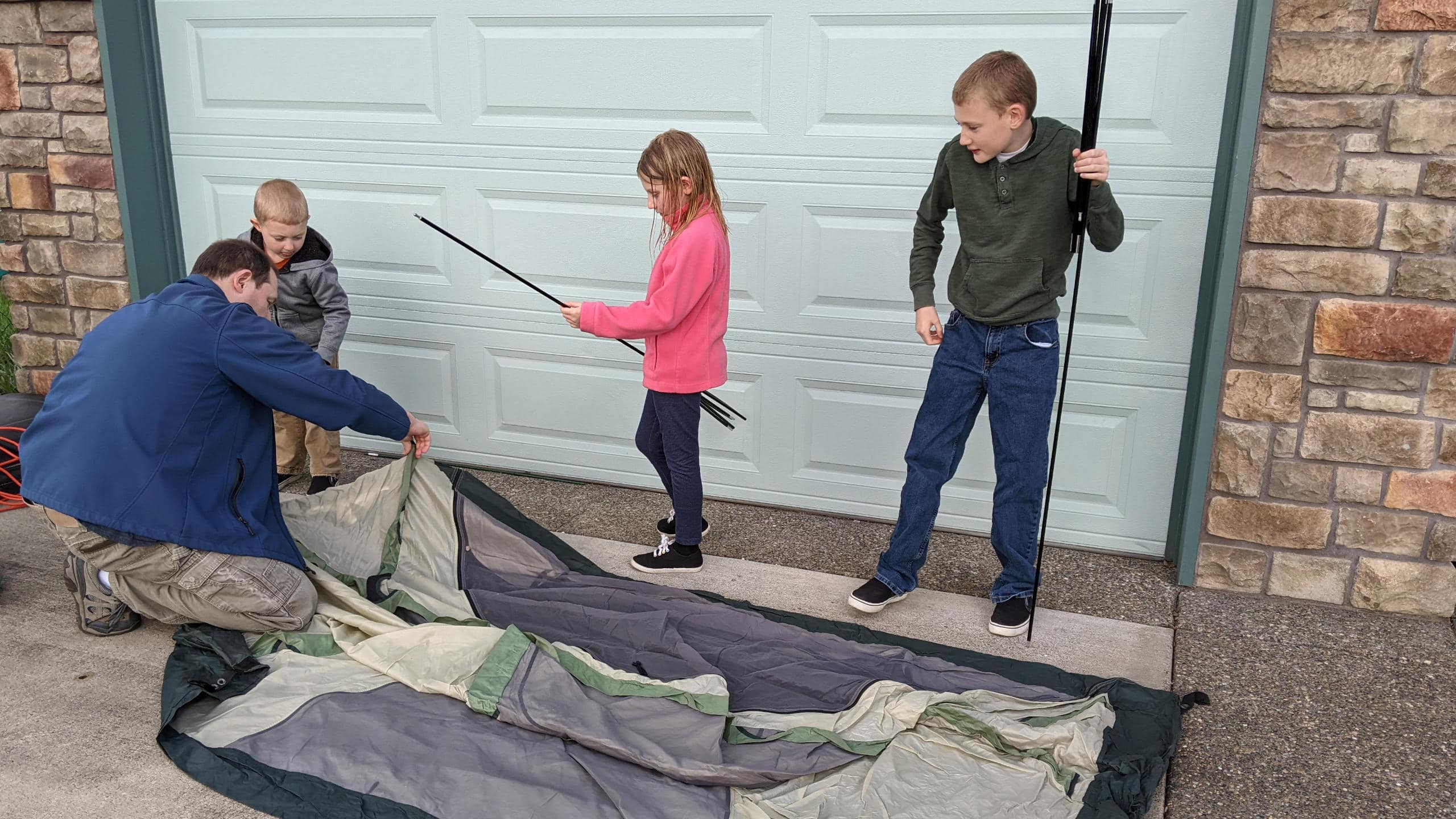
Our third key essential is shelter. You need to plan a short-term way to shelter your family from the elements, assuming your home or vehicle is not available. This could be a tent that fits your family, or even emergency blankets and lightweight sleeping bags. Decide how you will secure the shelter. Plan ways to heat or cool so you stay safe in harsh weather.
Fourth is light. During the day, you have the sun. But at night, everything can be a hazard. When it’s pitch dark in your home or woods, running into things or falling can be a huge risk.
Decide on a way light your surroundings in the dark. If you choose flashlights, secure backups and spare batteries. Change the batteries regularly to ensure your light source will work. Alternatives to batteries are fuel lanterns, chemical lights (glowsticks), or candles.
Our last key essential is community. Have a local community that you can reach, plus a remote network. Local community is important so you can work together, share supplies and check on each other. Remote networks are important to find out what’s happening away from the disaster area, and to communicate your situation.
Emergencies happen around us every day. The difference between scared and alone vs prepared can be night and day. An ounce of prevention now can be worth its weight in gold later. Don’t forget to teach the details to your family so you don’t become a single point of failure.