
We often talk about being prepared for emergencies on the homestead. But not everything we need to prepare for involves flashing red & blue lights or the end of the world.
Digital preparedness is often overlooked but extremely important. It goes beyond know where things are and having the go-bag by the door. It involves collecting documents & photos, digitizing them, and storing them for safekeeping.
When we talk about being prepared digitally, it feels simple. With a few taps and our phone backs up to the cloud, right?
However, the reality is often not so cut and dry.
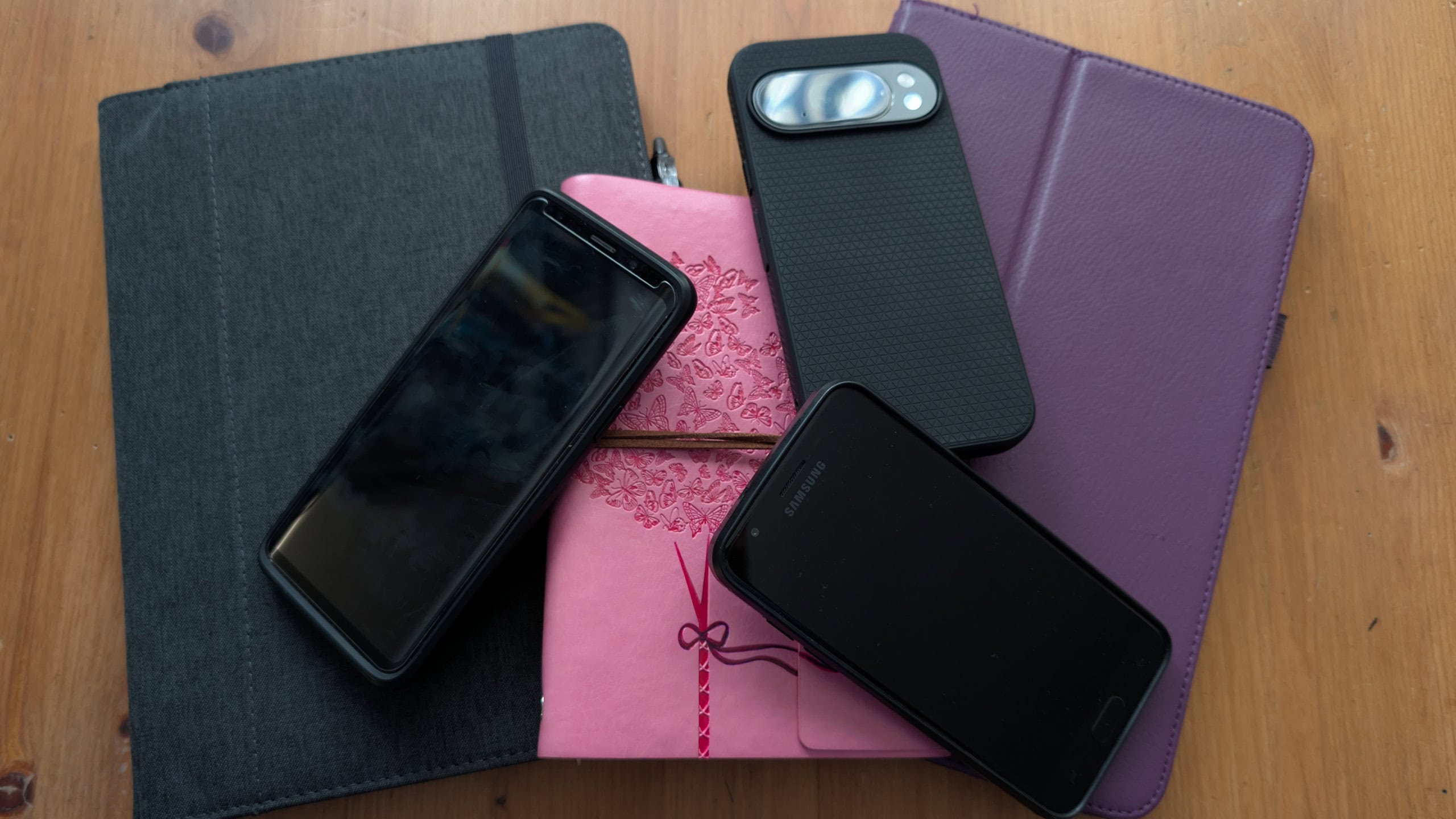
Almost two years ago now, our youngest was born. The first two weeks of her life were recorded digitally on a phone. A backup plan was in place. We thought all was good.
And then disaster struck. The phone died one night, and the backups had failed to work. The photos are now locked inside a phone that will never turn on again.
The same problem applies to paper documents in a house fire. If you do not safely store a copy, they could be lost forever.
A digital copy could save them. But only if there are again copies of the digital. Versions upon versions. Stored in secondary safe places.
In the uncertainty of life, the only way to be certain of your records security is to create a plan for them. Remember, it’s not just your documents from today. Family photos, journals, and so much more will get passed on to your posterity.
This week’s guide was all about creating your digital vault. How extending your preps from the physical world into the digital is a great extension of family preparedness. With the right plan, if you forget a document, it could easily be carried with you on a thumb drive.
Don’t wait until it’s too late to ensure your memories and important documents are secure. As it’s said, the time to start was yesterday. But since time has come and gone, get started today with securing your records, both physical and digital.