
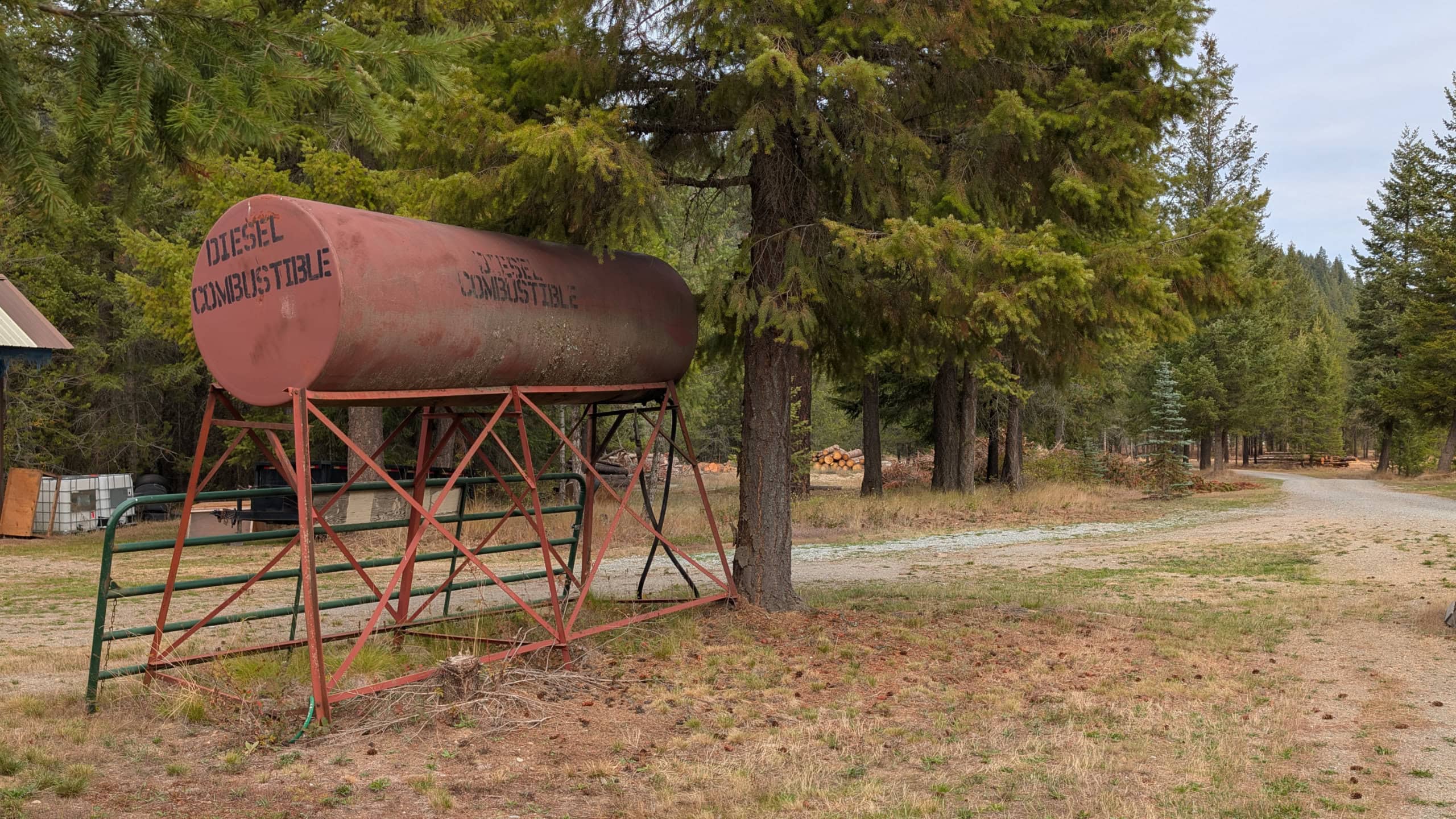
You are likely to hear or feel these statements every day: Prices are going off the charts. Diesel reached an all-time record high. Interest rates are going nuts. It’s a sign of the times.
With this much uncertainty, it’s very easy to focus on the moment, stopping all prepping efforts dead in their tracks. When you are uncertain if you can afford one can of food, how can you grab extras?
Unfortunately, that pressure and fear in the world is unlikely to get better anytime soon, regardless of political party, who wins or loses, and how the current war goes.
But if you look at things historically, there have always been times of pressure. The energy-crisis examples are similar to the oil crisis in the 1970s. It’s not just our cars starving for fuel. Farms run on diesel. Freight runs on diesel.
The solution in the ‘70s was massive rate increases, stifling the economy and triggering a recession. So far, the answer has been following that historical textbook, putting the squeeze even further on our families.
As we head into winter, the garden won’t be producing as much. And if you are not on land, it can seem hopeless to ever buy anything, but we think there might be a solution to building food storage and supply reserves if you act quickly.
The first step we think people need to take is getting to know the local farmers and neighbors.
Buying direct from a farmer can save you money and keep food on their table in tough times, too. Bulk purchases can also save you money, but only if you have the cash and this is where getting to know your neighbor comes in.
Instead of trying to go it alone, make purchases with a group. Collectively, you all secure the lower price, and everyone gets a fair share.
Fuel can be done the same way. If your kids and my kids need to go to the same place, we could set up a carpool. Maybe you drop the kids off and I pick them up.
It all boils down to resourcefulness. Instead of squeezing a shrinking dollar or going without, ask yourself how you can work with those around you to achieve similar goals and all be successful.
You don’t absolutely need land. What you do need is community. It’s not about the money you have to create a hoarder’s stock. Instead, it’s how to come together to share our resources.
Don’t let fear drive you into inaction. Rather let it push you into new friendships and out-of-the-box thinking.
The economy might be outside your control. But hope can drive better action and results than money ever could.