Having a well-stocked pantry is essential to feeding your family and your preparedness. But a big problem with stockpiling food comes from unused expired items. Creating an efficient pantry rotation system combats expiration with foods your family eats.
The problem with most stockpile systems is you constantly grow your storage and never use it. This effect is compounded when you look at storing foods such as pre-packaged freeze dried meals. Even if they last 10+ years, eventually you will need to eat them or toss them.
Rather than running a stockpile pantry, your homestead should run a working pantry, or rather one that you use daily. This pantry can be broken into levels, such as active use, short-term storage, and long-term storage to create the same strong level of protection as a stockpile system.
The most important thing is that your food is stored to be used in your kitchen, not create good feelings in a food museum. Set and forget food storage is nothing more than a museum of food waiting to turn on you.
The Seamless Panty Rotation System
Proper food storage starts with the food you eat. If you won’t eat it now, you won’t want it then. Eating what you store reduces waste. When you regularly use what’s on the shelf it’s less likely to go bad before you get around to it.
Pre-Storage Audit
To build the strong foundation of eating what you store, you first need to know what you eat and in what quantities. Going overboard and storing excess means you can’t get through it fast enough.
I recommend compiling a spreadsheet with your last 6 months (or a year if you are ambitious) of food and non-food items from your receipts. Add everything. Then group by item type.
You pre-audit will give the key details needed to know what to buy and what to avoid stocking.
Start shopping small
With your audit list in hand, you can now start shopping. Choose a budget to begin stocking food and non-food items. Remember, you will need to use and rotate paper goods, soaps and other consumables as well.
The amount needed is based on your consumption. I like to round off and add a 25% buffer. If we ate 8 jars of spaghetti sauce in the last 6 months, I would shoot for 10 on the shelf at all times.
Try to shop sales to extend your budget as far as possible. Look into bulk purchasing and repacking yourself into small family-size amounts.
If you are not sure where to start with building your pantry, check out our guide on building a from-scratch pantry.
First in first out rotations
The key to avoiding food spoilage is to rotate the food based on a first in first out system. If you use a box of crackers, then you need to buy one. But this new box should end up at the back of the line.
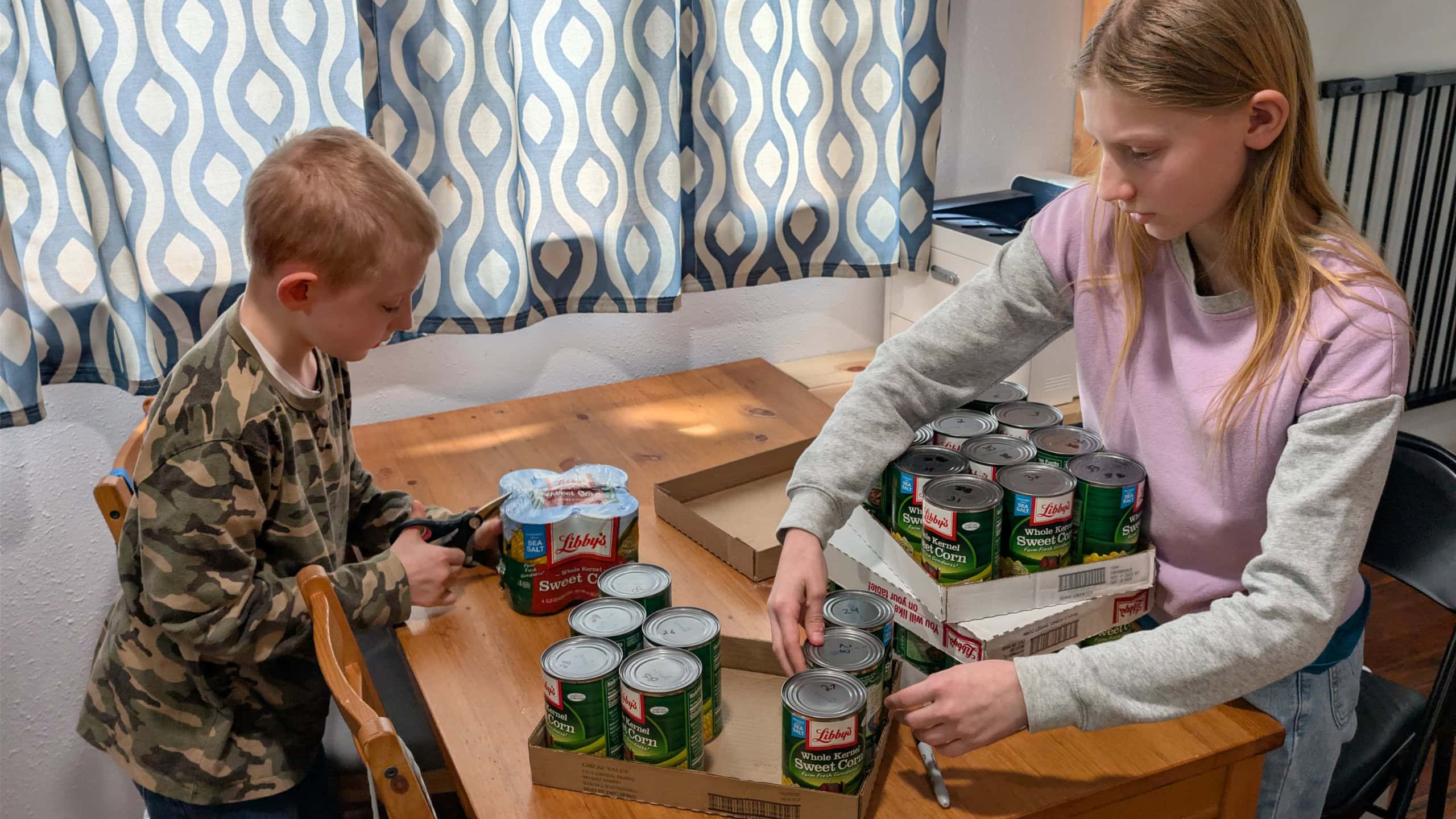
We like to number our items with a sharpie marker. This way if something accidentally gets out of order, you can correct them. You can also use a spreadsheet on the computer or print a checklist for detailed tracking.
I recommend if you are storing a year or less worth of rotation to largely ignore the expiration on most items. Anything you bring in should be used within a year and a half to two years at most. That’s the beauty of this system.
Note: Some items have a short shelf life, like crackers, chips and some powdered milk. These you will need to stock a smaller amount to stay within the date or find an alternative.
Create clear pantry zones
You need to define zones of ingredients. Spices for example can be open in the cupboard and sit for an entire year. Other items like bulk wheat berries need three zones to keep your kitchen efficient.
Active Use Items
Anything open is considered an active use item. These items do not count on your inventory and for all intents and purposes are completely used even if you still have some left.
Short-term Storage
This section is reserved for items that don’t last. Crackers, ground flours and grains, oils, and other products that spoil quickly. The idea here is to be able to rotate quickly before they expire.
Long-term Storage
Canned goods, wheat berries, home-canned items. Anything that lasts longer than your one year term.
Zone Rotations
Some items will naturally fall into the zones. For example, wheat berries. But you don’t generally cook with wheat berries directly. They need to be ground. And once ground, they no longer belong in long-term storage.
To keep efficiency up in the kitchen, you should plan to process long-term items into the other two categories as needed. You might spend a weekend grounding 10lbs of flour and moving that to short-term storage.
Flour that is sealed in short-term storage vacuum bags can be moved up to your flour jar on the kitchen counter. Spices can follow a similar migration, from large bulk mylar bags to smaller jars, and finally to your spice cupboard.
Part of our fall homestead shutdown is running through a deep food inventory and getting the menus planned. If you are not sure where to start with the basics, check out our easy 4-week fall food storage plan.
Strategic menu planning
No matter what you have on the shelf, it’s useless if you don’t plan a menu to use it. Part of making your active pantry successful is avoiding the grocery store and shopping from the pantry first.
When we sit down to plan a menu, we review what recipes will match up with the food we have stocked. Yes, you will always need some fresh produce and other items. But using the shelf first keeps things moving.
With 5 kids and a busy homestead schedule, we like to plan a full month in advance. This gives us plenty of meals to shuffle as needed. Sometimes we don’t even use all the meals. The menu is a guide, not the absolute rule of law. If you don’t feel like having that meal on that night, change it!
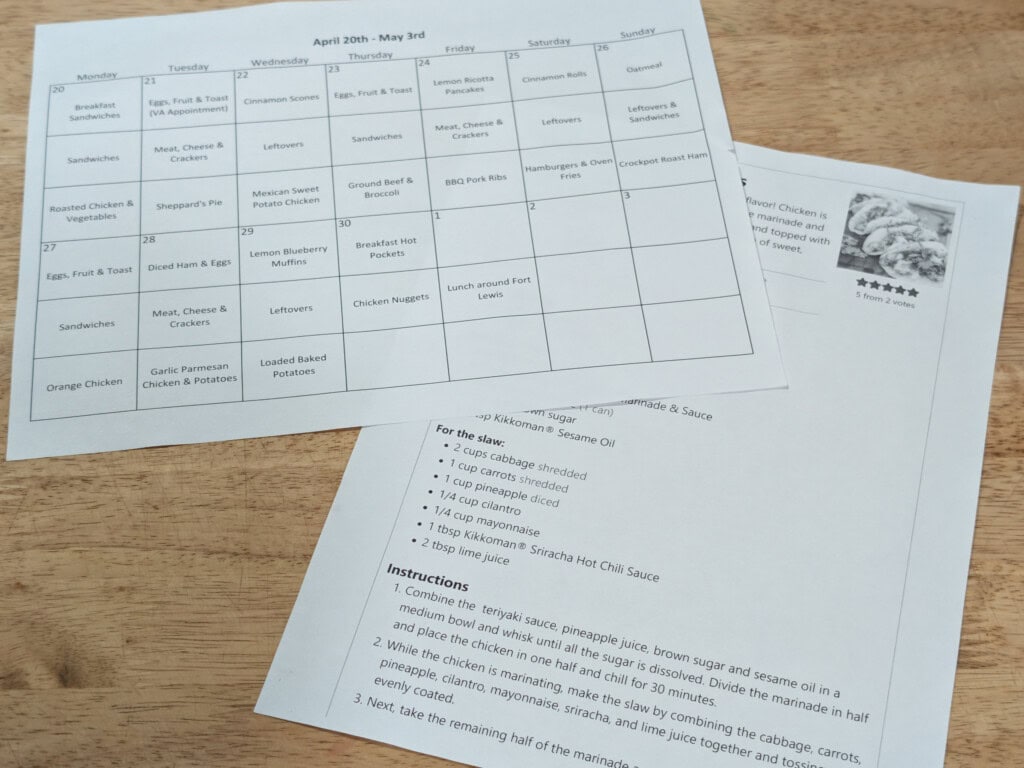
The reason I like a full month is store sales. By knowing what food that I will need for the entire month, we can purchase food to replace our monthly uses without overstocking or guessing. For example, cans of olives go on sale, and we need two for the month, I can buy two keeping my stock up and saving money.
A big part of frugal meal planning is being able to skip the daily little grocery store trips which always end up with extras in the cart. Creating a month long menu converts into weekly or even a single shopping run per month, saving tons of money.
See our frugal living guide for more tips on saving money around the entire house.
Managing pantry inventory freshness
You will want to do a quick pass over most food items at least once a quarter, with monthly the preferred option. This allows you to quickly check over dates and look for expired or damaged items.
If you choose to repack items, ensure you have the right equipment to seal it and protect it. Desiccant packets, oxygen packets, mylar bags, food sealers or vacuum sealers, and plenty of empty jars.
The savings of bulk purchases can quickly evaporate when you end up throwing out portions. Having the right tools saves you money in the long run, even if there is an upfront tool cost.
Being frugal with meals and your pantry means avoid loss whenever possible. Keeping up on rotation and storing food properly is the foundation for frugal success.
Getting your kids involved in food storage
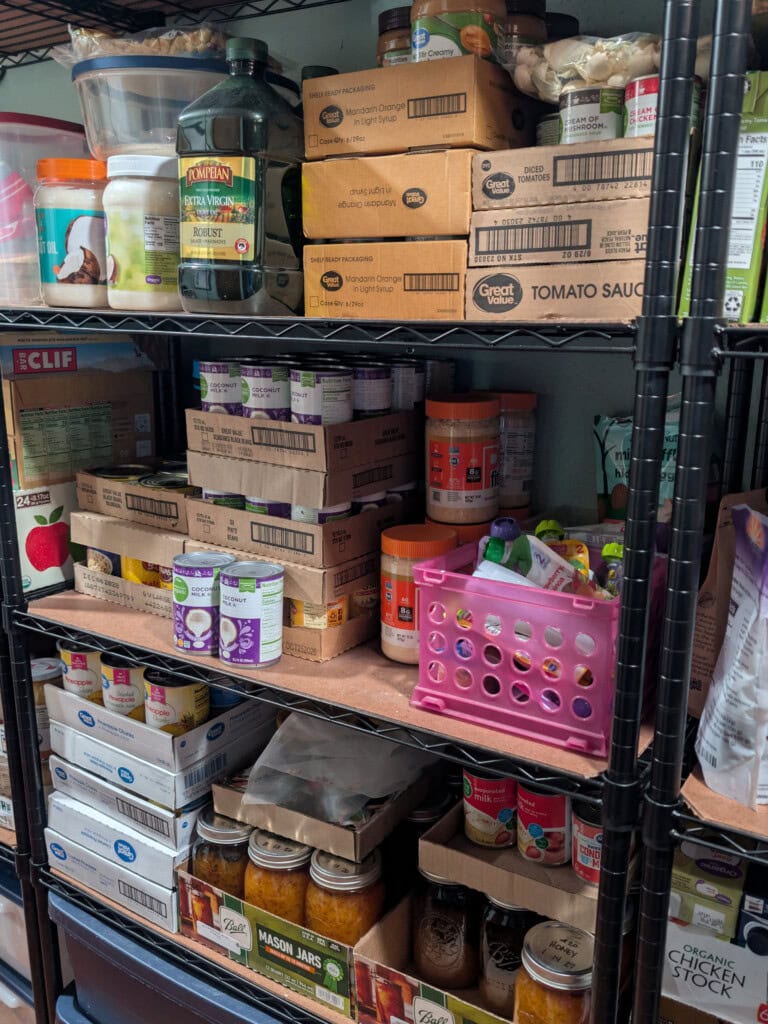
When you arrive home with groceries, teach your kids how to date and rotate the food. Since we use boxes to organize canned goods, our kids know how to pull boxes, shuffle goods forward, and add the new items in the last place.
If you choose to use a spreadsheet, teach your kids (and other adults) how to check items off as they use them. This will keep your inventory current without massive amounts of labor each month to correct the spreadsheet.
Food storage is a daily part of life
Your food storage should never be static items you don’t want to eat. By working a menu, running a first in first out rotation, and planning around food zones, your kitchen pantry becomes your food storage. And with kitchen food storage, your homestead becomes more resilient to supply line disruptions.