Suck it up and drive on!
If you were injured while in the military, this phrase should ring a bell. Heck, it’s even become mainstream in countless movies related to the military. And for many of us, that was life. We continued to drive on and push through.
But it’s probably not the same approach you should take to life outside of military extremes. And certainly not the approach to take towards your homestead life.
After over twenty years since my injury and learning to navigate life with an injury that has degraded the rest of my body at a rapid pace, it’s taken time to learn to adapt. Maybe these tips can help you adapt quickly.
Homesteading can be therapeutic
My military career was cut short when I was injured in my leg in 2004. For years after, I muddled my way through, working a regular job. Eventually, I couldn’t even do that.
Through that time, a homestead or even preparedness wasn’t even a thought in my mind.
As I started to lose abilities, slowly my favorite activities like hiking were taken from me. Camping and outdoor activities brought me peace and joy. And I could no longer do them without more pain than it was worth.
Years later, when we started exploring homesteading, it was a window to the activities I could no longer do. It was a way to relax outdoors again. And that is despite all the homestead chores that need to be done.
We have a friend who was also injured in the military. For years, he was on extreme drugs and basically homebound. Through faith and friends, he started to work towards healing aspects of his life.
Shortly after meeting his wife, they moved to a new town and started a homestead. Over the years of working on his homestead, he has regained some of the abilities that he lost due to his injury. No, he will never be healed completely. The injury will always remain.
But through daily tasks, he has kept himself mobile rather than housebound. And he takes that time (which chores take him longer than the average person) to talk to God and increase his faith. To enjoy the beauty of nature around him.
The same is possible for you. Assuming you want to run a homestead leads me to believe that you enjoy the outdoors, animals, and other related activities. Instead of letting the injury take that away from you, find ways to work with the injury to increase the time spent in the places you love.
Homesteading is not a race
First, you need to take your mind off the fact that everything needs to be done today.
There will always be things you need to do. The key will be to prioritize. You need to rank the tasks and work on only a few things each day.
Don’t start the day at constant overload. And certainly, don’t load your plate so full that you can’t breathe.
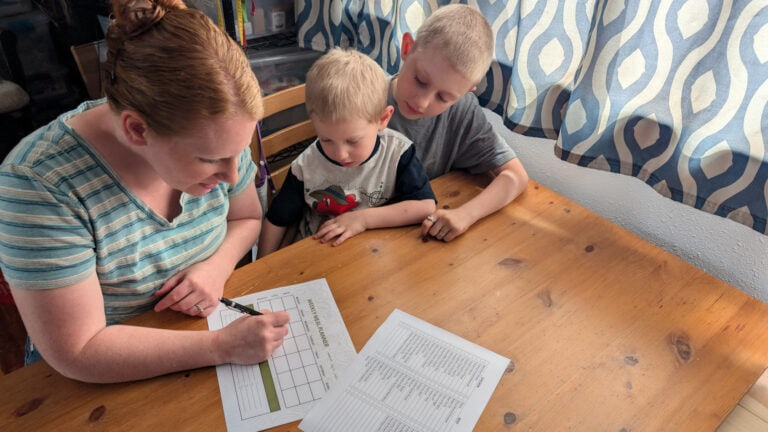
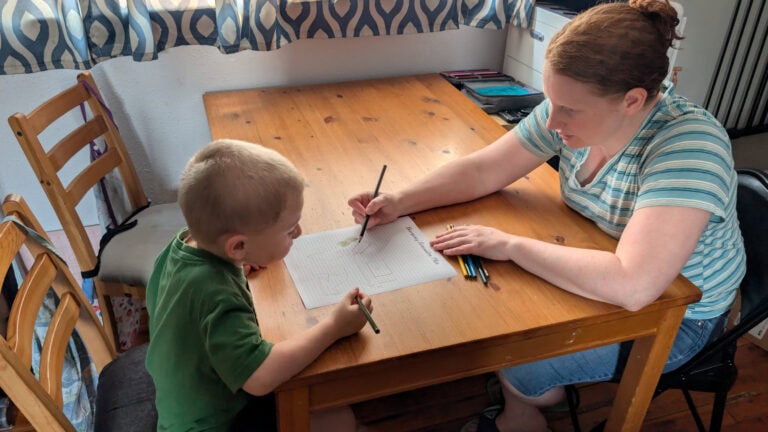
For us, this entails going over our upcoming week on Sunday evenings. My wife and I sit down, go through our planners, and decide what critical tasks are needed for the next week.
By planning in advance, there is much less stress over what needs to be completed. And we can choose what chores each person needs to do. These chores can then adapt to my abilities and avoid feeling overwhelmed when something goes sideways, preserving my mental health.
You can also use homestead planning resources to help you schedule key tasks around the homestead so they fit in with your life.
Have a daily plan so your mental health stays in check. It’s easy to fall into depression when you are injured and overwhelmed.
This article covers finding a good balance for your homestead and work life.
Find the balance
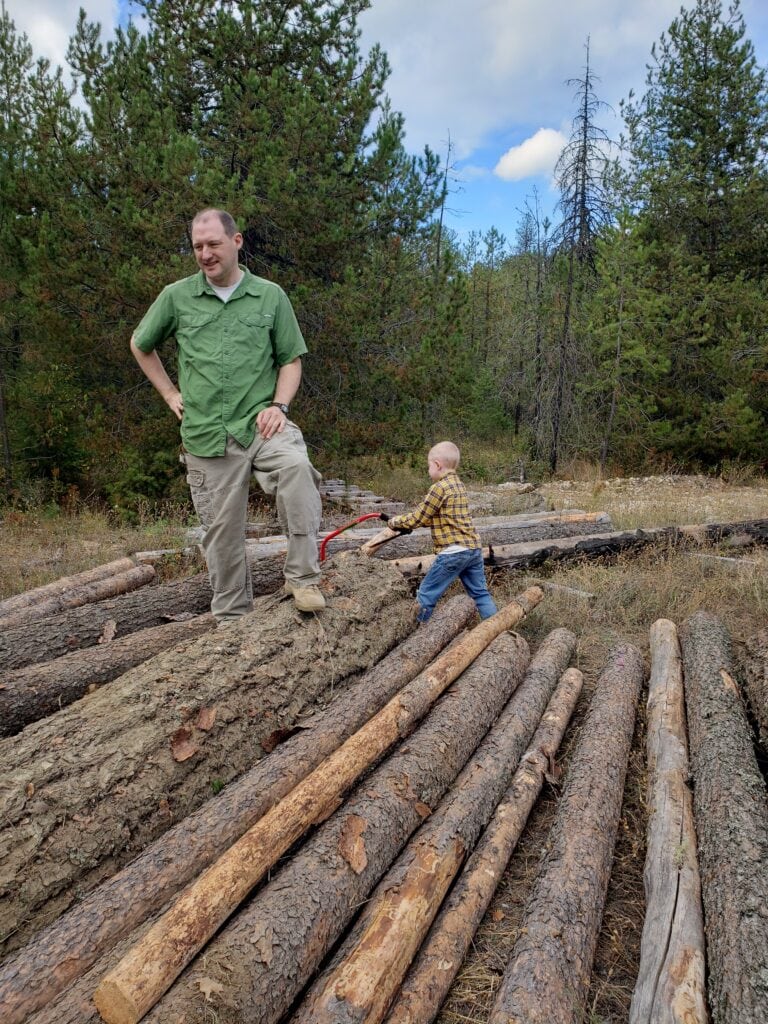
You need to accept that your injury will limit you. Collectively, your family needs to figure out what your limits are and plan your homestead around those limits.
Some limits come in physical chores. Others will limit where you can go and how you get there. And some will be mental barriers that you can’t overcome.
If everyone in your family knows what the situation is, they can know how best to help and work together. Just as you would not assign your two-year-old to do a dangerous chore, you need to accept that you won’t be able to do all the chores.
For example, my back injuries make preparing and chopping wood difficult. Yes, I can do it. But is the additional pain and possible damage to my spine worth the effort when someone else can step up and handle it for our family?
Some might not be able to mentally handle repetitive tasks. If something causes you anxiety, find a way to delegate the chore.
Find the right balance so everyone in your family has chores and abilities they can handle. And find balance in the structure of your homestead so you can access key areas if you are physically limited.
Know your limits
Decide what your limits are and know when to stop. Sometimes critical things do come up. But you should know when to pass the torch to another member of your family.
Even for your day-to-day tasks. Know when to call it quits without pushing your body past its limits.
We all have the desire to press on. I know that I don’t want to feel like I am letting my family down. Yet reality is deeper than that.
If you press on and end up in worse shape than you were before, how will your family get by without you at all? Doing things around the homestead can be physically taxing. Attempting to complete a task that you are physically ill-equipped for can easily result in greater injury.
Even if you need to slow down or stop for a while, it’s far better to take a break.
As seasons change, its just as important to keep on top of your limits. For example, working on your winter preparedness might need to start sooner than the average person.
You get to pick your homestead
Before jumping into the homestead journey with an injury, it’s important to recognize the fact that you are in control of this journey. You also need to really decide if the homesteading life fits you.
Now that you know your limits, research what some tasks will take. Are you able to get up every morning and milk half a dozen cows?
The same goes for other tasks, like gardening. Should you plan on setting up raised beds so you can function better? You might not get as much square footage, and maybe only some of the garden gets converted, and that’s your responsibility.
Even location, house style, and environment matter. In our case, a house without stairs is a high priority for our next home.
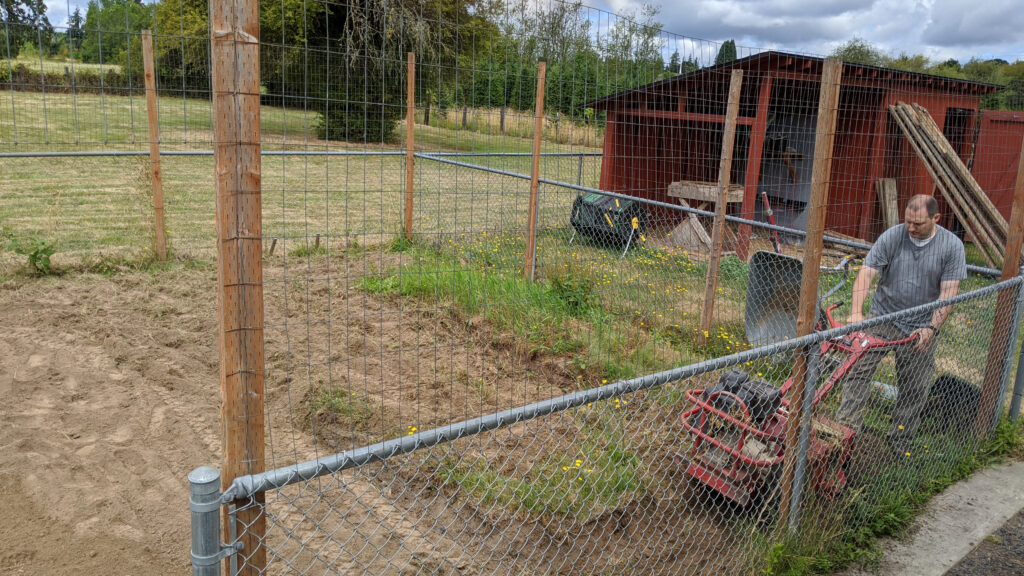
You can change things that don’t fit. But wouldn’t it be better to start with things the right way if possible?
Be open to change
Some injuries will never change. It’s done, over, and you must live with the situation as it is forever.
Other injuries can get better or worse over time. Most get worse. For example, I have had to accept that the injuries to my leg and back will progressively get worse. The more work I do, the worse it will get. If I don’t take care of myself, it will get worse.
As things change, what you did yesterday might not be able to happen today. Some days will be worse. Other days are better.
And as you degrade physically, your family might need to step up and take over more of what you used to do. And that’s okay too.
Find joy & friendship
Bad days will always be there. But so will the good days.
You can make it through any day by remembering the good ones. Injuries will slow you down. And they for darn sure will suck.
Once you find what makes you happy on your homestead, you have the keys to unlock happiness. If you love the view from your front porch, make that a part of your day.
I have found that physical movements and stretches can help me with my pain and abilities. To help me, I picked up an exercise mat and blocks. From a religious standpoint, my focus is to become close to Christ by relaxing my mind, pondering His word, and stretching my body to restore movement to stiff joints.
Jesus Christ is my partner in navigating the challenges I face. I am not expecting a miracle but rather taking the time to study, pray, and listen to uplifting music. The peace from Christ is best felt with a quiet mind. One of my favorite songs is by Casting Crowns, Praise You In This Storm.
Another part of joy is friends. You need to make time to spend time with friends away from your homestead. Instead of doing chores every day, plan at least one day away each month. We take time on weekends to spend time with others who have similar views and children of similar ages to ours. This gives us a break from the daily grind.
Your mental health is just as important as your homestead. And you and your family are critical as well. So, look after yourself.
Conclusion
Living with disability is not easy. It takes a toll on all the members of your family.
In the same light, a homestead is not easy. Once you put the two together, it can be very difficult to keep pressing forward. If you work together as a family and use even a few of these tips, you will be empowered to still run a homestead despite being injured. Or maybe even run one because of it.