When we first started down the path of more natural living, it felt like a huge hill to climb over. And even being years into this, there are times it still feels that way.
It can be very overwhelming to constantly read packages and labels. Trying to find clean foods is not easy when so many of our daily foods have stuff in them. And even when you think they are clean, you either learn more, or the food ingredients change.
The perfect answer is to make everything from scratch. But no matter how many Instagram posts show you this perfect lifestyle from scratch, it won’t fit in with most of our normal lives. Work, kids and other factors will always play a part. Heck, sometimes we are just pain tired.
So where do you start? We started with these ten foods and ingredients. By doing our best every day to always avoid them, our family’s health is better for it.
#1 – Artificial dyes
Artificial dyes have been in the news a lot lately. You have probably seen Robert Kennedy Jr. talking about how harmful they are.
However, our journey with artificial dyes started years ago with one of our children, and blueberry bagels.
For close to a year, we had been dealing with this child being aggressive, angry, or downright mean towards others. But it would happen in random spurts. We could go weeks without issues and then wham.
Tracking it down took a lot of prayerful research. But soon we realized that the blueberry bagels we purchased from time to time had blue and red dyes in them to enhance the color of the blueberries.
In this case, the blue dye was causing aggression, and the red dyes were making it hard for our kids to focus and maintain self-control.
You wouldn’t think food dye in bagels would be needed or even a concern, but everything is engineered to appeal to our eyes. Candy, treats, cake mixes, even canned fruits tend to have dyes to enhance colors.
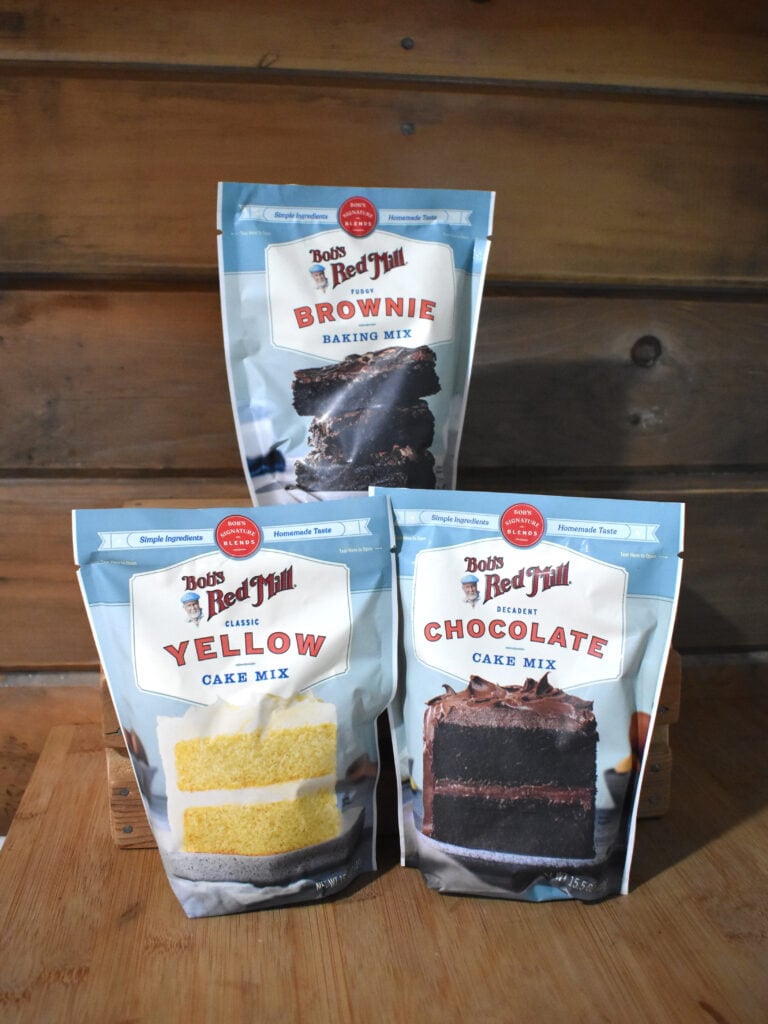
We either make our own cake mixes, or purchase Bob’s Red Mill cake mixes, as they have cleaner ingredients.
What colorants to look for instead?
Natural colorants can be found that use food to create the color. Items such as beet juice, carrot juice, spinach, and turmeric can be used as replacements and avoid artificial dyes.
#2 – Titanium Dioxide and Caramel Coloring
The next most common colorant type ingredients are Titanium Dioxide and Caramel coloring. These two make up a large batch of food colors, anything you want white or brown.
I called these two out specifically, because while they can hide under artificial or natural colorants, they typically can be found on labels by themselves.
Titanium Dioxide is considered by many researchers to be cancer causing. As it is comprised of nanoparticles, it messes with our core DNA, causing interference. These changes can cause issues with behavior, damage to the nervous system and can affect overall immune system health.
Caramel color seems to sneak in there to continue enhancing our eye appeal. Added in anything from pancake syrup to ham, if you want a richer brown color, there it is. While most artificial dyes are derived from petroleum by-products, caramel color is made from sugars.
But the issue again lies with the effects on our health. Specifically, the ability to increase our likelihood of cancers. Research has even connected certain versions of the colorant to lung cancer. Since caramel coloring is considered a natural ingredient, companies are not required to disclose which version they use, leaving the door open to risk.
Is titanium dioxide or caramel color even needed?
In our opinion these two ingredients serve no purpose in our food other than eye candy. They serve no purpose in flavor but are added to enhance our perception of the food. If you can find alternatives without them, go for it.
#3 – Artificial flavors
A blanket term is often used to hide a formula of chemicals, these artificial flavors on a food label can be hiding lots of things you don’t want in your body.
From the name itself, we can imply that these things are not derived from clean methods. Often artificial ingredients are synthetically enhanced or engineered to overwhelm our taste buds with flavor. Because if it tastes so good, you get a slight high. Get enough hits from the food and you keep wanting it increasingly often.
Good for their bottom line, bad for our health.
What might start off as a harmless sample of orange zest gets broken down by solvents and chemically messed with to make an extremely potent version of orange flavoring. That’s if your orange flavor has any orange at all. Some artificial flavors are derived from animal bi-products and random chemicals alone.
Ignoring the desire to eat more of them because of taste alone, artificial flavors can also cause cancer, affect the brain and cause major gut health issues. Our bodies are just not designed to handle random chemicals.
Are natural flavors just as bad?
Natural flavors and generic spices can also be used to hide ingredients. Because companies are allowed to lump ingredients into these categories, we never truly know what is in them.
We have made the choice to avoid as many of these items as possible. But we ranked them in our opinion for avoidance. If we can avoid all, great. Artificial will be avoided no matter what. Natural flavorings and spices will be evaluated on a case-by-case basis.
This allows us to still have some processed food, while really stepping back and asking ourselves if the need is there and what the risks are.
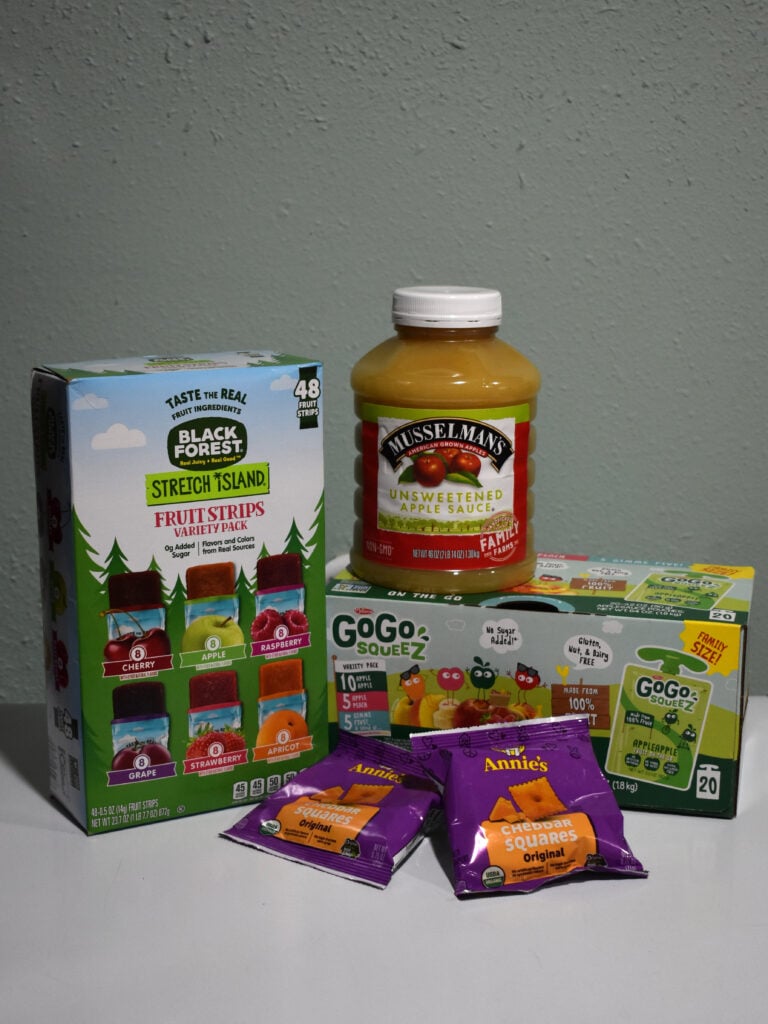
When in doubt, go with simple snacks and foods. Some of the snacks our kids like are Black Forest fruit leathers and Annie’s snack crackers.
#4 – Aluminum or Sodium Aluminum Sulfate
Sodium Aluminum Sulfate is commonly found in most double acting baking powders. This means it can be found in many store-bought breads, cakes, and tortilla shells.
This ingredient was added because it reacts to acid in foods, creating the second rise when exposed to heat. That delay allowed bakers to prepare batter, such as cookies, in large batches and still have them rise in the oven. Baking powder without aluminum often will not produce a great rise after the batter has sat for an extended period.
While aluminum is a naturally occurring element, excessive amounts in our bodies have been linked to neurological disorders. Disorders like Alzheimer’s disease and other memory conditions.
What if I still want to make cookies?
Alternatives exist such as baking soda balanced in a recipe, and smaller batch cooking so that this ingredient can be safely avoided. Plan your cooking so batters do not need to sit for extended periods or refrigerate them to slow the rising process.
We use various brands of baking powder that are aluminum free, including Bob’s Red Mill.
Alternatively, switch to yeast baking for where possible. This will take longer but can yield a tastier result.
#5 – High fructose corn syrup
High fructose corn syrup is primarily derived from corn. Specifically corn starches that have been broken down through a mechanical or chemical process and then treated with an enzyme solution to convert glucose into fructose.
This breakdown and treatment coverts the sugars into something our bodies have a very hard time processing. Top that off with the huge amounts that are added to common foods and our bodies are in overdrive all the time in attempts to rid ourselves of the excess sugars.
Probably the most common issue with high fructose corn syrup is type 2 diabetes. But just as harmful to our health is weight gain. Most Americans are overweight, with excess sugary foods and over-consumption being considered the primary factors.
High fructose corn syrup gets placed into lots of everyday things to sweeten them. We found it added in applesauce, fruit snacks, baked goods, sauces, and even canned goods. It’s easy to avoid, and one that our family watches out for very carefully since it’s in so many things.
#6 – Other Artificial Sweeteners
Sucralose and aspartame, among many others, are also used as sweeteners. Because they are not naturally created, or are by-products of another process, they are hard for your body to break down.
When you pack in lots of artificial ingredients, your gut needs to work harder to rid itself of the waste.
Too much sweet or sugar of any kind will result in health side effects. Years ago, we did not have so many sweeteners in our foods and the health challenges we face today can be seen as a major side effect.
Avoiding sweets
While you don’t probably need that extra scoop of sugar in your tea, going sugar free entirely is not the healthiest either.
Sweeteners and sugars are a source of energy that your body can still use in proper proportions. They have their place. It might take some time to wean your family off the extra sugars, but eventually your body won’t crave them. You may even get to a point where excess sugar makes you feel ill quickly.
Above all, avoid zero calorie, no sugar, and other specialty labels which often are packed with a replacement that is less healthy than real sugar would have been.
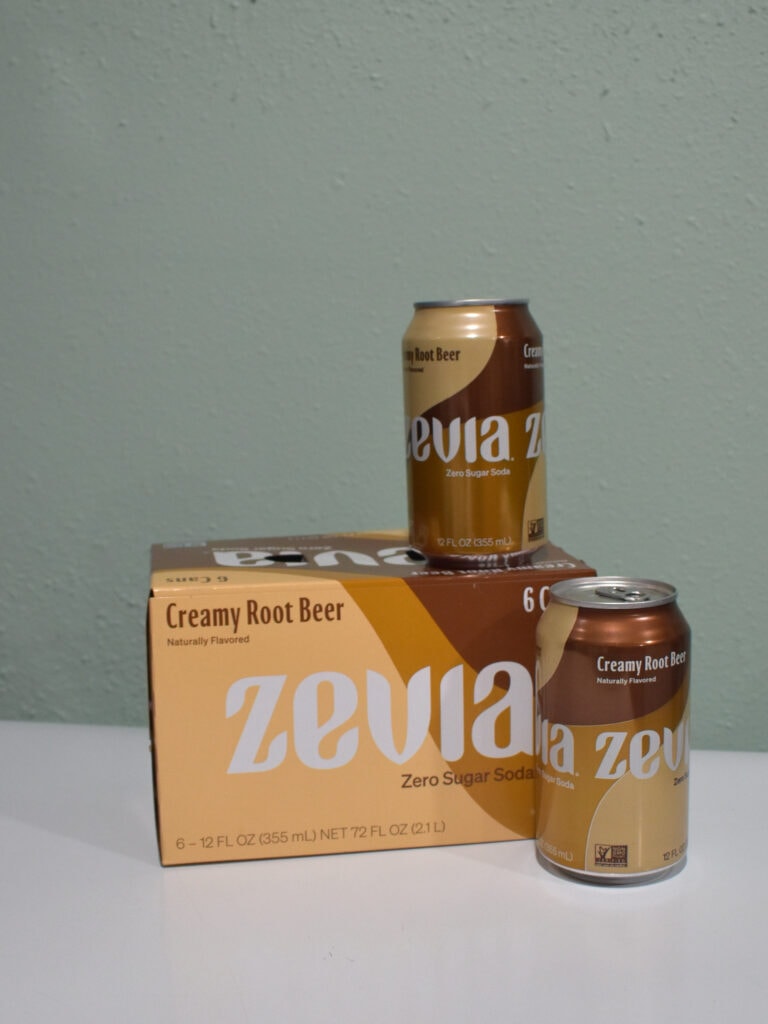
When we are out to have a family treat, Zevia Root Beer is a clean alternative that tastes great in a Root Beer Float.
#7 – Polysorbate 80 and other polysorbates
Polysorbate 80 and other polysorbates (Polysorbate 60, etc.) are chemical emulsifiers and stabilizers.
These help to combine ingredients that would not normally combine. Items such as oil and water, when mixed with polysorbates, can be mixed. In food items, this is used for shelf stability and to help with food texture. Items such as salad dressings are commonly found with polysorbates so the oils stay together.
In a stabilizing format, polysorbates help items like ice cream keep a creamy texture when they go from warm and cool due to being transferred from truck to store to home and so on. Polysorbates are also added to baked good to help with texture and dough moisture.
Polysorbates are considered an endocrine disrupter. Linked with allergic reactions, inflammation, and fertility issues, they are problematic when introduced into your body.
Unfortunately, polysorbates are not just found in food, but in cosmetics, soaps, shampoos and more. They can even be found in medications.
Avoiding polysorbates is not as hard as it sounds
Polysorbates are disclosed on most ingredient labels. And there are alternatives to most of them. Sometimes you sacrifice smooth ice cream, or you need to shake your dressing bottle before you use it.
You should be able to look for organic or clean alternatives and purchase these. Just make sure you are reading the labels, because this one pops up in the most random places, like breakfast cereal and pickles.
#8 – Monosodium Glutamate
Monosodium glutamate, or MSG, is a flavor enhancer derived from an edible seaweed. Naturally occurring in certain foods, such as tomatoes, it increases the punch that certain savory foods can bring to the table. MSG is commonly referred to as super salt because like salt it can perk up the flavors of food.
When I was growing up, this was a big one you heard about. It used to be common in most Chinese style food, and restaurants were big on advertising if they avoided its use.
Most MSG produced currently is done through a fermentation process which convert sugars to glutamate. There is also some chemical processing involved in achieving the final product.
The most common issue with monosodium glutamate is headaches and general body malfunctions. However, when you dig deeper, enhanced food can be linked to increase desires to eat when not hungry, and overstimulation of the brain.
Avoiding monosodium glutamate
While MSG can naturally occur in all kinds of foods, it is not something that needs to be added as an ingredient. It’s common in broths, soups, seasoning mixes and most fast food.
If you watch for the ingredient alone, then you can avoid those items. However, watch the salt levels on your foods and adjust your use amounts to avoid replacing MSG with excess salt if you choose to leave this ingredient out of your diets. Finding low sodium alternatives to common foods can also sometimes lead to this ingredient being added to replace the flavor punch salt brings by itself.
#9 – Seed oils
Most seed oils are highly processed to create the final product. Through various chemical processes and bleaching to deodorize, the oils and extracted from the plant material. This process removes the health benefits of the oil and breaks down the fatty acids.
Once broken down, the oil is partially hydrogenated to help with stability and shelf life.
To add to the negatives, certain vegetable oils contain rapeseed oil, or in culinary form, canola oil. Canola oil was genetically engineered to be a low-cost oil while removing some of the erucic that was naturally found in the rapeseed plant.
What about cold processed seed oils?
Cold processed seed oils avoid much of the chemical issues found in the seed oils. This could lead to healthier oils on the surface. But there are other problems.
They still contain a large quantity of linoleic acid (omega-6). This acid chain is easily damaged, especially when exposed to heat, resulting in unhealthy oils. Even sitting on the shelf, seed oils will degrade faster than other oils.
Seed oils are a major contributor to inflammation in the body. For our family, and the health challenges I face due to my military injury, inflammation is a big problem.
What oils should I look for instead?
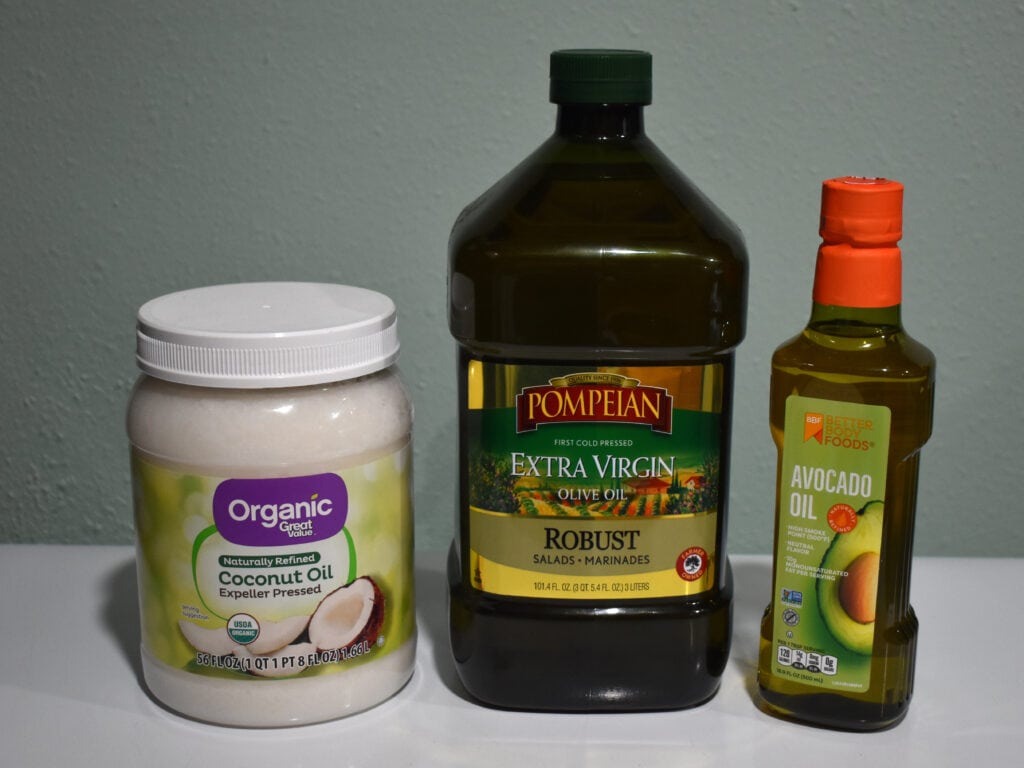
Healthier oils that don’t have the same issues are olive oil, coconut oil, and avocado oil. Plus, you can use healthy animal fats, ranging from bacon grease to butter when cooking foods. Make sure that you look for cold pressed or not chemically extracted oils.
You can’t avoid everything, but if you avoid canola or generic vegetable oils you will be a lot better off in the long run.
We use many of the BetterBody Foods, including Avocado oil, and prefer the Pompeian Olive oil because it is non-GMO and pure oil.
#10 – Common GMO Foods & the Dirty Dozen
This last section covers a lot of foods. We try to avoid the most common GMO foods, buying organic versions when possible.
Some common genetically modified foods are tomatoes, rice, potatoes, soy, corn, milk with rBGH, sugar and even wheat. Not all of these are cost effective to avoid. Unfortunately, things like potatoes make a key staple in our diet, so we don’t always end up with organic versions. But we do however watch which company or location they come from and can weed out the GMO or chemicals by company.
Another thing we watch for is the EWG Dirty Dozen list. Each year the EWG puts out a list of the dirtiest produce in terms of pesticides and chemicals. Buying organic of these items helps us to avoid the worst of the worst when it comes to pesticides.
They also put out a list of clean items which tend to be at the opposite end of the spectrum. These items will cause less worry when purchasing and can help us stretch our food dollar by not buying organic on everything.
For example, on the dirty list this year is spinach, so we know to purchase organic versions only, vs carrots on the clean list, meaning I can save a few dollars and buy non-organic carrots.
Bonus – Can’t say ingredients & giant labels
We also try to avoid complex foods. If I can’t figure out how to pronounce that ingredient, it really brings to question why it needs to be in my food. When shopping at the store, I will look over the ingredients. If I am not sure, I will pull out my phone and look it up. Sometimes it’s harmless and just the scientific name for a common item. Other times it’s questionable and something we might avoid.
In the same light, if the label has 50 ingredients for a simple food, then I can probably avoid that. The fewer ingredients in your food the better. And most often the less processed the food is.
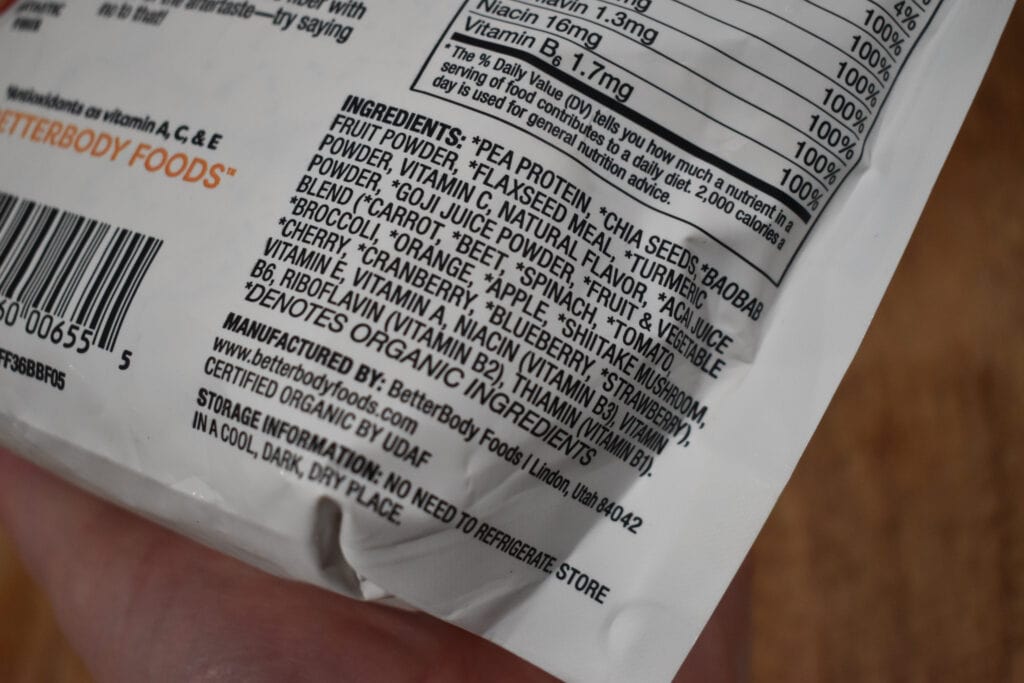
But beware. Food companies are getting clever at packaging and labeling food as “simple” or “just 5 ingredients”. They sound better at a quick glance. But when you dig in, 5 ingredients can become 20 when one is listed as “spices”. Don’t fall for clever wording to make you think the food company has your best interest at heart.
I would rather have a 30-ingredient label that tells me exactly what is in the food, in clear terms I understand, than food with hidden ingredients and clever marketing. Pictured above is a Superfood Blend by BetterBody Foods.
Conclusion
In the end, you could avoid every single food out there and only eat what you can grow and produce. But for 90% of us, that is not viable. We will still have to purchase food from the store.
When you are out to achieve better health through clean foods, you need to read labels, and constantly research. Decide the risks for you and your family and choose what is acceptable. Sometimes convenience will override healthy desires. And that’s OK too.
Also, remember that if you are going to be stocking food storage, make sure the items you buy are ones that you like. Even if it has clean ingredients but your whole family hates it, then it’s not worth buying.
The goal is not perfection but rather trying to put the best food on the table as you can afford it. When you need something quick, or are traveling, you accept the fact that you might not eat perfect food. Avoiding junk food most of the time is still way better than not at all.