One of the most common things you hear the preparedness community talk about is being prepared for when crap hits the fan. Yet the reality is being prepared helps you with everyday scenarios that extend well beyond a disaster.
Preparedness can protect you and your family from the little bumps in the road. The unexpected that happens and can leave you stuck.
Not everything is a disaster style emergency. But having things like food storage squared away can make getting through them much more bearable. It’s a lot easier to keep pressing forward when you know that no matter what happens you can still put food on your table.
So, what are the other things that you need to prepare for? This article will give you six areas to look at, starting with job loss.
Job Loss
This is a big one. And one that our family has been through.
With the state of the world, you never know when the company you work for might be downsized and you are out of a job. Thinking that just because you are doing your job means you won’t get let go is a myth. And one that can leave you high and dry.
Back in 2009, during the recession, I was working as an IT guy for a decently large company. As things started crashing down the company I was working for lost a few contracts they had with other companies. In a cost cutting measure, they choose to get rid of the highest paid IT people.
I never saw it coming. I showed up to work one day to be met by my boss, who told me it was me or him.
While we managed to make it through, it was a very bumpy road. We ended up losing our house. The food budget was tight. It took us years to get back on our feet.
Having our food storage and preps in place would have helped us weather this difficult time in our lives much easier.
Financial Disaster
While job loss is one way to financial disaster, it can happen in other ways. The economy took a big dive at the beginning of the pandemic.
We had multiple contracts lined up in our business that fell apart literally overnight.

More recently, egg prices hiked way up. This caused everything in that area to go up. Anything that used an egg went up. The new tariffs the Trump administration has imposed on other countries has affected the cost off many things we commonly import into the country.
On a side note, time to get your own chickens.
Financial expenditure is not fixed.
Everyone thinks of physical preparedness and food storage. But being financially prepared and responsible is just as important. Being able to make it through a period of job loss or economy bumps can bring your family great peace of mind.
If you have six months’ worth of income in the bank, you don’t need to worry about how you will pay for something tomorrow. And if you have little to no debt, then if your financial needs take a turn for the worse, you won’t be worried about someone taking you to court to collect on your debt. Or losing your home.
Start small and save up some extra money. Keep some on hand as physical cash and some in the bank. Know what your budget is and live within your means now. This will give you the freedom you need when something goes sideways later.
Recently we both read Dave Ramsey’s Complete Guide to Money, and while we will probably not follow everything 100%, it does give some great ideas and insight on getting yourself financially squared away.
Accidents
Along the same lines as job loss comes accidents. What would you do if tomorrow you could not work because you were critically injured?
But not all accidents are injuries to you or your family. Accidents can come in the form of a house fire. Or damage to a vehicle leaving you stranded.

When you are prepared for accidents, you consider any form of accident and prepare what they might entail. For example, if you are prepared for vehicle accidents and being stranded, you will likely have a get home bag in your car.
In the modern moving world, parts of the bag might not be critical. It’s unlikely you will need fire starters in the middle of the city. But when your car breaks down in the middle of nowhere, that cozy fire could look rather inviting. And a change of clothes could be pretty darn nice after you walk for a few hours in the rain to get to the next town.
Even preparing for accidents such as a house fire could leave you with a little comfort. What this looks like could vary greatly. For us right now, a slice of our gear is stored in a different building that is away from our house. This protects us by spreading our risks out and away from each other.
You could do the same on your property or work out a deal with friends or family to spread your risks.
Health Issues
Over time our bodies degrade. We get older and start to have health challenges. Or maybe you are like me and have an injury that really restricts your life.
Health challenges are something that you need to prepare and plan for. No, you can never plan for every possible condition. But you can prepare for common ones. Especially ones that run in your family, such as dementia or heart disease.
Our family has certain dietary restrictions. This keeps Crohn’s disease at bay. Should we get too far off course from our regular diet, some of us have decent stomach issues. Let me tell you, hiking or even driving long distances while your stomach is upset is not fun at all.
In our case, our emergency food stores are thought out and diet friendly.
Even things like planning around my injury can affect what we need to plan and prepare for. Knowing that carrying large amounts of weight for any kind of distance won’t work changes how we pack.
Sever Weather & Natural Disasters
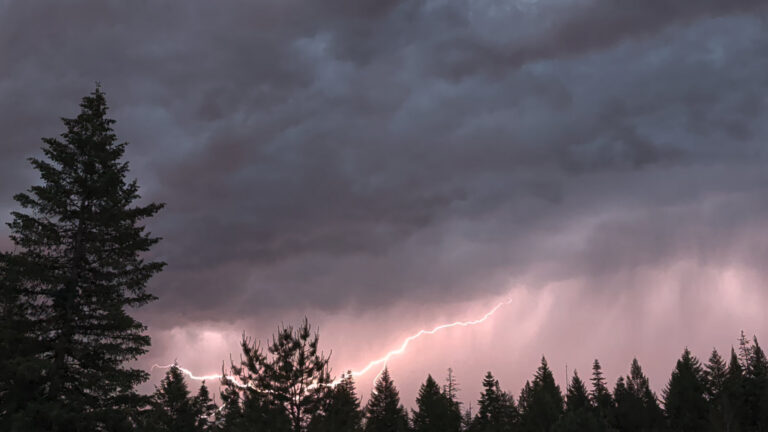
This one seems obvious. We all need to prepare for sever weather. In your area, that could mean flooding. Or maybe hurricanes. In mine, it could mean a major snowstorm blocking the roads and forcing us homebound, or a lightning storm causing tons of wildfires.

In one of the scenarios above, I need to be prepared with gear to stay home for an extended time. This would be extra food, fuel to keep warm and cook, and communications. Yet in the other scenario, we need to be prepared to leave at a moment’s notice.
Your preparedness gear should change through the seasons. And the above incidents are easy things to prepare for.
Accounting for what happens in your area is critical. Yes, there will also be generic gear. But your needs and situation will control exactly what you need for bad weather.
Hurricanes, tornadoes, floods, etc. Or even more unexpected such as a dam break or volcano can be planned for.
When Mt. Saint Helens blew, ash covered much of the area around us. It went all the way around the globe. People had to unbury cars and homes hundreds of miles from the event. You can prepare for these types of events by planning ahead and stocking up on things that could help based on your location and the risks around you.
Preparing for the upcoming season is critical. For winter, we even put together a guide to help you prepare your homestead.
Service Outages
Following weather is another regular event in the modern world. Service outages are all too common and something we should prepare for. Some outages will be planned and others unplanned and unpredictable.
If you live in an area with city supplied water, interruptions to your water supply need to be planned for. Not just for the regular water pipe clean-out many municipalities do, but for the unexpected water main breaks.
Unless your household is entirely off-grid, it’s likely you will experience a power outage from time to time. Maybe someone hit a power pole, or a tree fell. It’s not just storms that knock the power out. Even issues with the facility that generates power for your area can cause an outage.
Our guide on building a Family Power Outage plan is a great place to start. Keeping your family calm during minor service outages is important. Plus with the right preparation, you can avoid food losses while your appliances are offline.

In Spain and Portugal, the entire countries lost power for a while. Panic was quick to set in. Those that were prepared did not have to run to the store and pray to get food.
Short-term power generation can be completed with solar batteries like this one, allowing you to keep your phones and other critical items running for a little longer.
Phone and internet services are common things to have problems. While it’s not critical for you to binge watch TV to survive, keeping in touch with family in other parts of the world might be. For us, we have turned towards HAM radio for talking to other locals.
The Internet is also a big part of my job, so a long-term service outage could loop back around to a loss of income, creating additional strains. Having a plan for these issues can save a lot of stress.
And remember, services are often co-dependent. Water, yes, even well water, runs off electricity for most of us. If you don’t have backup power or stored water and no means of hand pumping, you could be out of luck.
Conclusion
Disasters come in many forms. If you only prepare for when crap hits the fan, you will often be left hanging when things are not quite that bad.
Take this article and start building plans for these items. Think about what is most common in your area first. Then build outwards until you feel like you have covered anything that comes to mind.
It won’t happen overnight. But the sooner you start, the faster you will be ready.
Don’t forget to get your whole family involved as well. Create a family preparedness plan and run practice drills so everyone knows what to do. It’s also important to create a digital document vault so your photos, medical information, and even your preparedness plan is backed up safely.
Much of your plans and gear can cover all kinds of scenarios. And you will need to rotate some gear depending on the time of year or risks. Yet each situation will have its own extras that you will want to start collecting.
The goal is to be well rounded and prepared for anything.