That’s the name of the game when you live in wildfire country. But what does that even mean?
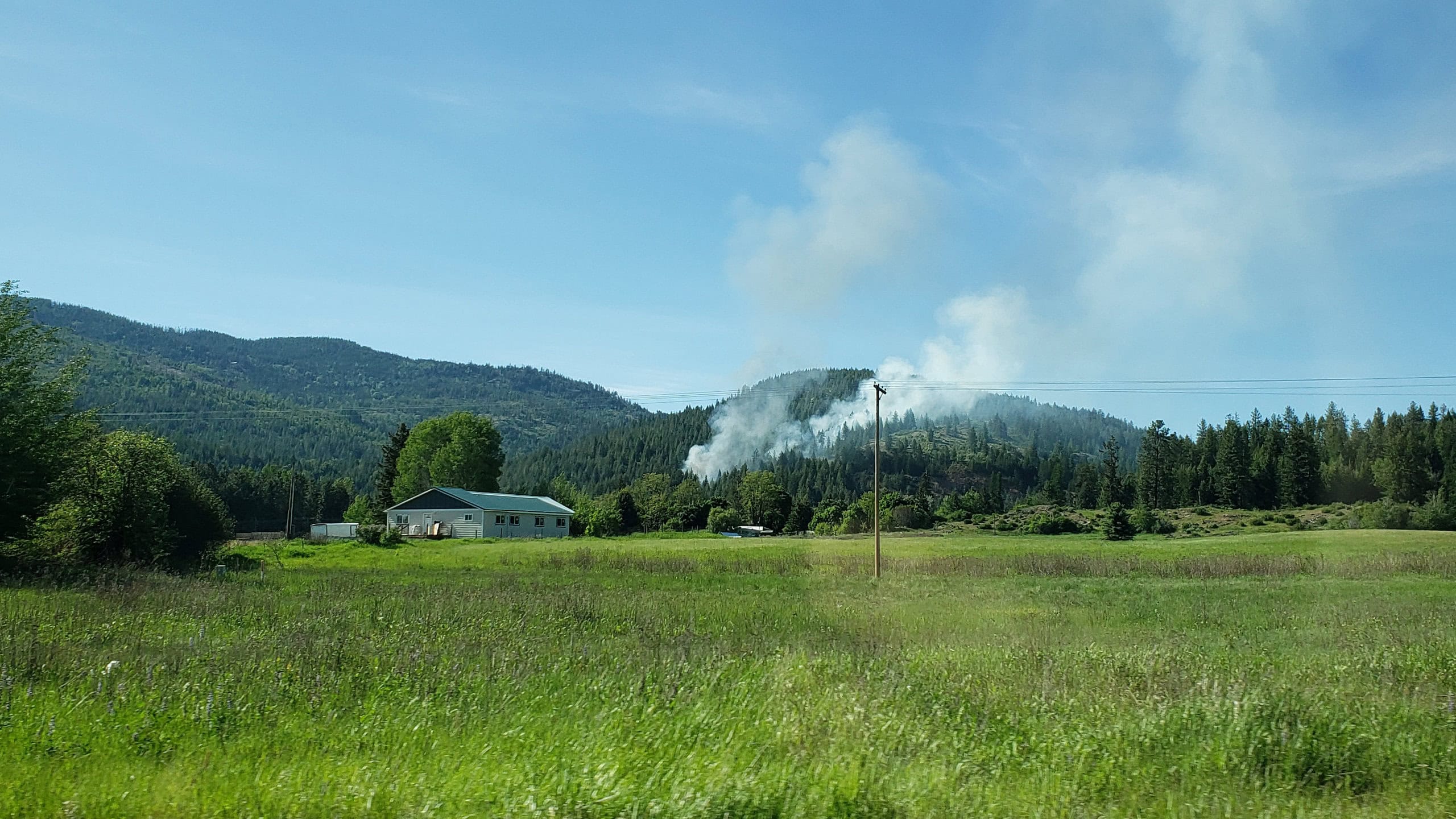
At the end of May, we were waiting for Alex to go into an appointment, I got a text from him asking where a specific road was. I looked it up but by the time I wrote back, he had gone into the appointment and wasn’t answering. Almost thirty minutes later the Fire Watch app sends out an alert about a fire up the road my husband asked about. It had covered about five acres at that point. Another thirty minutes pass and just before he walks out the door, the app sends out another alert saying the fire had grown to ten acres. As we drove home, we could see the smoke up in the air over the hills, and as we rounded the corner, we could see the light gray smoke billowing from in the trees.
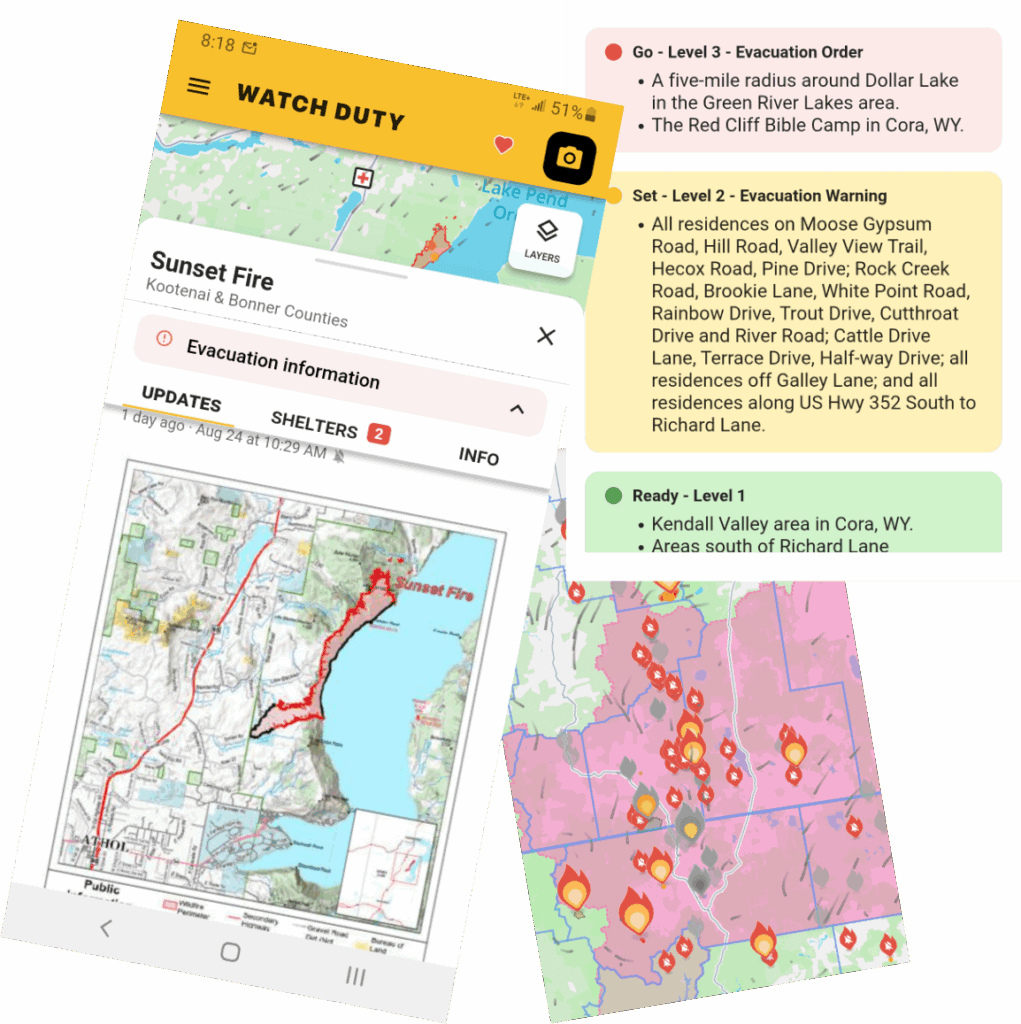
Typically, you hear the words simultaneously when getting ready for a race, but that isn’t always the case. For us, it’s a three-stage warning to be on alert when a fire is near. The fire may move slowly, but it could also move at a rapid rate when the wind starts blowing or it hits a patch of dry brush and grass.
Ready – preparing before a wildfire
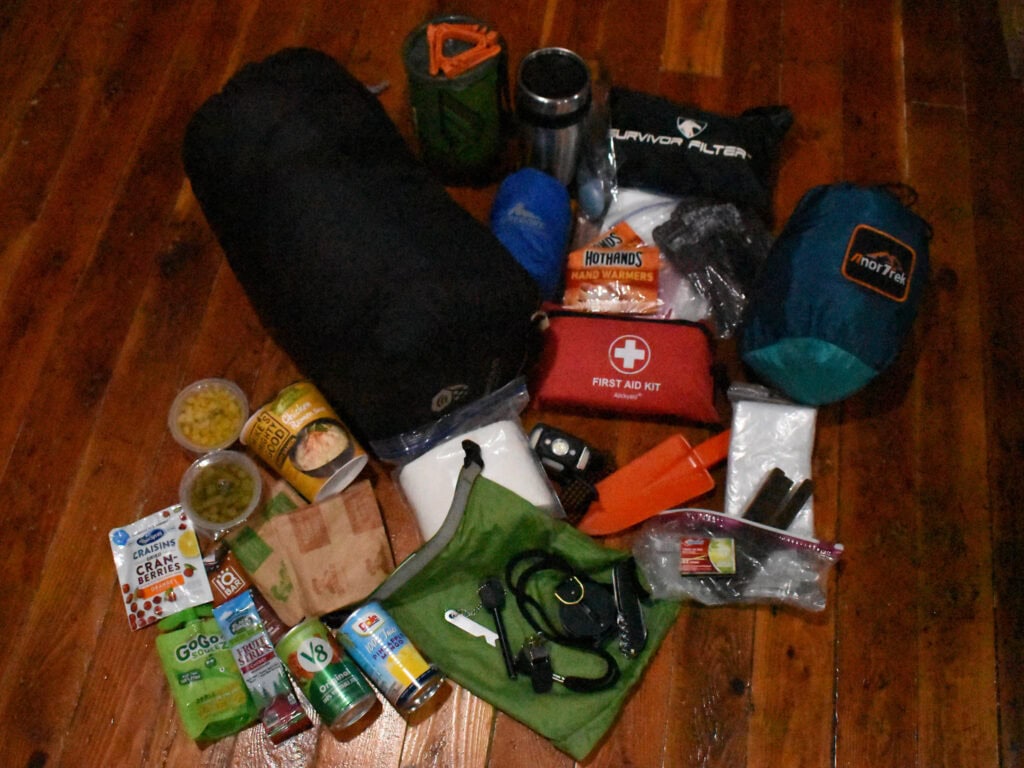
The “Ready” stage should happen long before you’re in an emergency. This means having your 72-hour bags ready to go and knowing what else you would need to grab if there was an emergency like copies of important documents, medication, and so on. But don’t just create this bag and forget it. No, pull it out at least twice a year and make sure the food is still good, the clothing still fits and is appropriate for the season, and the batteries in your gear still work. No one wants to get into an emergency only to realize you have shorts and tee shirts in the middle of winter or that your food expired 20 years ago.
This is also a good time to sign up for emergency alerts through local groups. My husband has Nixle alerts that come into his phone via the app. This alerted us about the above fire 30 minutes before the Fire Watch app did (Watch Duty on Google Play). If this had been an emergency for our family, we would have had 30 extra minutes to gather and get out.
Set – Get your gear to the door
If you get the “Set” notification, it’s a good time to go around your house and gather items you may need. Think of items like phone and charger, wallet, keys, copies of important documents from the safe, medication, glasses or contacts, extra blankets, water bottles, coats, socks, shoes, flashlights, extra batteries, and cash. If you have littles, a diaper bag with extra diapers, wipes, and their favorite stuffed animal for comfort can be helpful. Getting things in the vehicle, or at minimum by your front door can be helpful in minimizing the chaos if things get worse.
Many people store their go bags in their garage or shops, we would also grab them, our food buckets, and camping gear at this point so we can do a quick review and make sure we have everything needed and get them in our vehicle.
Go – You need to leave immediately
If you get the “Go” notification, it’s time to move. Please don’t wait till now to try and find what you need. That same fire mentioned above took out multiple houses and about 15 acres worth of land in an hour and a half and it wasn’t very windy that day. The day we moved to Idaho we had to drive through two fire zones, both listed as “Go”. We watched police and other emergency personnel racing down roads, knocking on doors, desperate to get people out safely as the fire quickly swept through dry brush. When we got to the second area, we kept getting new notifications to turn around and evacuate but not knowing the area, we had no idea which way to go. We watched people loading their farm animals up into trailers and taking off in multiple different directions. Not having a plan left us feeling helpless. Thankfully my cousin was with us and as her pastor drove by, he recognized her and flipped around. We were so grateful for his help.
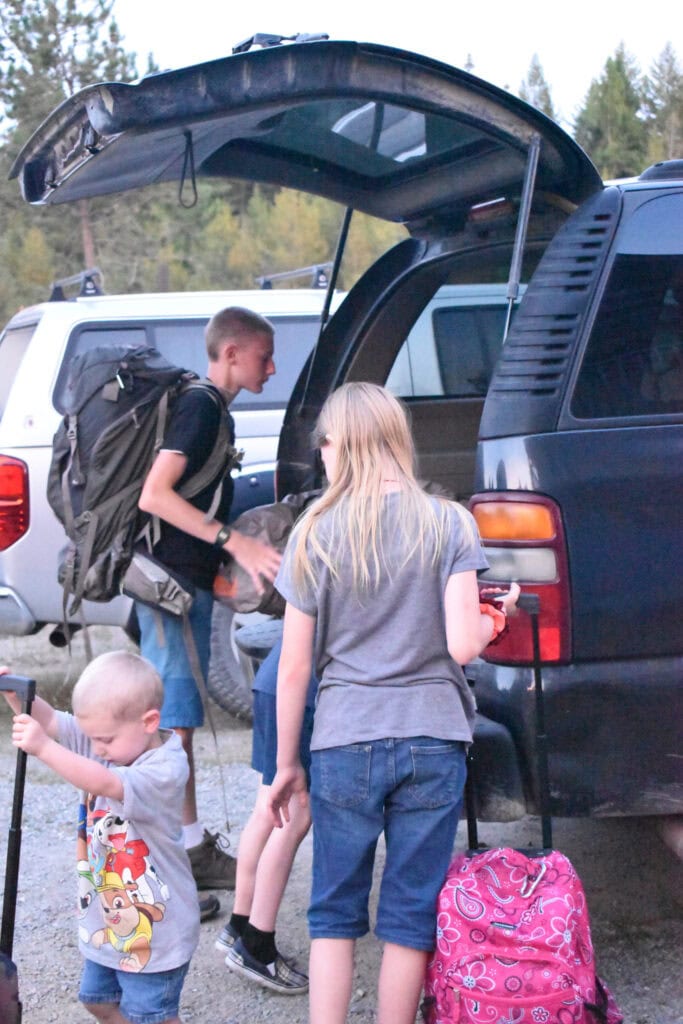
That day helped us realize just how under-prepared we were, and we quickly started working on a plan. At the time, Alex had an old hiking backpack, and I had a Targus bag from college. They were both old and starting to break down, so we eventually replaced them with these backpacks. We had two of the rolling backpacks made by Rockland that we’d gotten for our trip to Disneyland a few years back. These were perfect as they have a decent amount of space and, being on wheels, our kids can help roll them even if they’re heavier. We did end up ordering another two for our younger two boys. I still need to get one for our youngest daughter, but I do have a backpack we’re using till we do.
Don’t forget about good food
In many cases, people throw in cheap food into their emergency bags, think Ramen and canned soups, but these often have ingredients that would make an emergency worse than it already is for our family due to dietary restrictions. So we had to do a little research to find things that, while they may not be perfect, they’re better than something that would totally make us sick. We also want them to be something we can eat as they’re getting close to their expiration date. Some of the things that we got were jerky, tuna pouches, crackers, vegetable cups, fruit pouches, vegetable juice, fruit juice, water enhancers with electrolytes, water bottles, soup cups, granola bars. Most of us have life straws as well but when we got them, our little kids were still drinking from bottles all the time so we got a water filter that can be dropped in a stream and pumped out to use in their bottles, with cooking, and more.
Wildfires can be scary but you can be ready
While you might not live in wildfire country, look around you and see what other emergency situations are common for your area and be prepared. Even if your area does not have Ready, Set, Go, you can be prepared with a good plan.
Before disaster strikes, you need to get your family prepared, including your kids. To help, we put together a family preparedness guide.