

Being prepared for winter is something that many people take for granted. Yet as homesteaders, we need to prepare for winter. With animals and often a larger property, it takes more effort to be ready for those cold winter months. Just starting out on the homesteading journey, it’s hard to know what all you need to do.
Preparation for winter is more than cleaning the garden or pulling out the winter blankets. This big list of tips will help you prepare for the cold season. And to keep you from being overwhelmed, we’ve broken the tips down into four main categories. This way you can work on a single area at a time.
First up is working on outside the home.
Winter preparedness around your homestead
There are lots of tasks to do just by stepping out your front door. Running a homestead involves lots of year-round work. This unfortunately makes winter preparedness feel overwhelming because you think about all the chores instead of the select few that are most important for winter work.
Instead of still trying to do everything, look over this list of homestead winter chores and get these done first. Then if there is still time after everything is done, you can loop around to the regular tasks you want to get done.
Priorities matter here. Finishing a covered porch is probably less important than finishing a goat shed so your animals survive the winter.
#1 – Shut down the garden
Right around the first frost you will want to shut down the garden. If you planned your layout well, cold-hardy plants should be in one section. This allows you to harvest everything from the summer & early fall crops and prepare the ground.
One of the things we have done in years past was to finish the harvest, knock down the tall plants and cover the whole garden with leaves & compost. Instead of spending hours of back-breaking work in the spring, spread the compost in fall and let nature work in for you.
Another part of shutting down the garden for us is moving plants that are not cold hardy into pots and bringing them into a greenhouse. Some plants are easy enough to start again. Others, like our mint, have been with us for many years and it is one our family likes to enjoy all year. You can also finish gathering any seeds and getting them set out for drying.

This small greenhouse works perfectly for a few small pots. It’s only 3ft x 6ft and 3ft tall, so it fits nicely around your house where you can keep track of it. The greenhouse opens one side at a time to contain heat. The small pots with the removable tray are great, and lets you water without drowning your plants as well.
#2 – Plant garlic and other long winter crops
Now is the time to plant garlic. In a dedicated section of the garden or a raised bed, plant garlic cloves. Garlic needs the cold temperatures to really get it started, so getting it going now is perfect.
Place one clove every 4-6 inches apart and around 4-8 inches deep (go deeper if you get lots of hard freezing weather). Cover the bed with leaves and straw to help deter animals from digging them up.
When spring comes your garlic should be poking out of the remaining snow and ready for a great summer season.
#3 – Clean up outside & prepare the house
There is nothing worse than tripping over something you did not even know where there under the snow. And no amount of snow will wash away animal poop you did not clean up.
Start at your house and work your way outwards. Pick up anything that is lying around. Believe me, kids are notorious for leaving toys and other things around everywhere. Don’t forget to clean up any dog piles.
Cover and protect any outside spigots you won’t be using. Drain them if you can. For those spigots you plan to use, make sure they are frost safe.
Don’t keep a hose hooked up. Instead, keep a hose in the house or barn. Somewhere warm means you won’t need to fight it in the cold weather. The slinky expanding types of hose work great for bringing in and out, and since they shrink, they don’t require much room and are light to carry without water in them.

Close up your outside house / crawl space vents to prevent drafts. You can even purchase insulation blocks to help fill the holes. Add heat tape/wrap to any exposed pipes to protect them from freezing.
Get your chimney cleaned before starting the wood stove up again. Even if you don’t have a wood stove, go around and clean the heaters and change the air filters before cold weather sets in. It’s also helpful to open all the windows and turn on the heat for a bit to burn off all the dust.
If you plan on decorating your house for Christmas using outside roof lights, now is the time to put them up. I know I certainly don’t want to climb on the roof when it’s covered in snow.
#4 – Have a plan for feeding and watering animals
Hauling animal feeds around in winter is much harder. Wagons don’t roll easily in snow. If the area you live in sees a lot of snow, it might be worth investing in a snow sled for carrying feed and water to your animals. These will slide over the snow and save a lot of effort.
If possible, store food for each type of animal close to them. The less you have to drag around when it’s cold the better.
If you don’t already have stock tank heaters, now is the time to get them. Don’t wait until the water begins to freeze to make that effort. Most tank heaters are designed to run when the temperature gets low, so get them installed and plugged in before the cold hits.
For small animals such as rabbits, chickens and quail, plan to insulate and protect them from wind. On the worst days, your small animals might need to be inside the barn or even your garage to protect them.
Adding insulation to coops can help with freezing temperatures. Do not, however, close all venting off. All animals produce moisture while breathing, and if you insulate and seal everything, you will create a wet environment that will lead to sick animals. Leave some venting to reduce moisture.
Heat lamps are another big no go. They are prone to fire risk when dust and straw get on them. Plus, they can create a false warmth that the animals adjust to. Should the power go out, or lamp die, the warmth will cease, and the animals will have no time to prepare for the income cold. It’s better to insulate and let them naturally adjust than to artificially keep them warm all the time.
#5 – Shovel often and shovel early
When the storm is raging outside, it’s easy to hunker down and not go outside. However, if you shovel as the snow comes down, it actually takes less work.
If you wait until it’s all down, you could have feet of snow to dig out. This could take hours. Instead, going out for a few minutes each hour or two and doing a little at a time helps keep the pathways clear. It also keeps you from being overly tired and possibly injured.
Vehicle Preparedness & Winter Traveling
Next thing to work on is your vehicles and preparing for any winter traveling. In an ideal world, you would never break down. But it happens to the best of us, even with proper preparations. Yet if you take a little time in fall to prepare your vehicles you can reduce the chances of getting stuck and have what you need should you end up stuck anyway.
#1 – Prepare your vehicles for cold weather
Start of your vehicle preparedness journey by getting an oil change done. Fresh oil will hold up better to changing temperatures and keep your engine protected. If you can run two different oil weights, make sure to put in the recommended winter blend. Depending on the car, this might be thinner and help the oil move even when it’s really cold outside.
Next, check your gearbox fluids and coolant. Ensure they are good and rated for the upcoming weather. If your coolant cannot make it down to a good low temperature, get it changed out. Frozen coolants will destroy your engine.

Have the cold cranking amps on your battery checked. Depending on your vehicle engine size, it takes a certain amount of energy to have the starter turn the engine. When it gets cold outside, batteries do not have the same capacity. Older batteries can even be reduced by as much as half. If there is any doubt in your mind, replace the battery.
Replace all the other consumables as well. Now is the time to put on fresh wiper blades and fill your washer fluid with stuff rated for negative temperatures. We like Rain-X brand because it works well.
Check your tires and set the air for the proper winter rating. Often this is lower than summer, providing better grip in wet, wintery conditions. If you need to switch tires for studs, plan for a good day before the first storm is supposed to hit. Obviously running studs is hard on roads and costly, so only swap if you when and if you need. If you can afford two rim sets, keep your studs on the second rims and swap them yourself to save time and money by only using them when you need them.
#2 – Keep your gas tank full
Keeping you take above halfway can seem annoying. But it’s good practice to ensure you always have enough fuel to get to your destination.
It might seem simple enough to drive from point A to point B when they are not far apart. However, outside factors could extend your drive time significantly. Accidents in your path, or traffic, could cause you to sit and idle for longer periods. This consumes fuel you might not have expected.
Unforeseen weather can cause delays. Having the extra fuel will allow you to keep warm and keep devices charged for when they could be needed if the situation gets worse.
#3 – Stock your vehicle with emergency supplies
Keeping a tote of emergency supplies in your vehicle during winter is a good idea. Yes, you lose trunk space. Yet the loss of space could save a life if you need something from it.
Start with the basics such as road flares. Then add ice scrappers, a small shovel to dig yourself out, flashlights, and chains if you can use them on your vehicle. Next, add comfort items like blankets, hand warmers, and extra clothes. Most importantly, don’t forget to add clean water, food and fire starters.

It is likely that water will freeze in vehicles overnight, so plan ahead, leaving extra room in the bottles for expansion. If you can keep them near the front firewall, or heater vents, they can start to freeze each time you drive. Cooking gear can also allow you to melt frozen water.
#4 – Plan your trips and let people know where you are
Take a little time to plan out your trips and try to avoid extra running in poor weather conditions. For example, instead of making a dozen runs to the store each month, choose two days and stock up on food. This saves not only money, but time on the road. Less time on the road is less chances for accidents.
If the road conditions are poor, in addition to planning your trips, let someone else know where you will be, what time you plan to arrive and the route you plan to take. This way if you are overdue, those you notified have an idea of where to start looking. Time can be life or death. If you end up off the road, knowing where you planned to travel narrows down a search quickly and gets you help faster.
Winter preparedness inside your home
Now that the outside chores are out of the way, it’s time to move inside. You should always focus on inside work later, because some of the inside things can be done when it’s raining or snowing. But it’s not fun at all to run around finishing outside tasks in the cold.
#1 – Gather the proper clothing
Having good cold weather clothing is essential. Taking care of animals, chopping wood, and other homestead chores will require you to spend time outside. By gathering the best clothing you can afford, you will be more comfortable all winter long.
Dressing in layers is the best way to handle changing weather. As it starts to get cold, a light jacket me be all you need. Negative temperatures will probably require thermal underwear for any long exposure.
A good pair (or two) of boots is also essential. You need boots that have room for multiple thick socks, or a thick insulation layer. Waterproof is also important. Don’t cheap out on boots. If you tear up your feet, chores will be painful. Having a second pair is nice should one pair get wet.

Doing chores in icy weather takes a toll on your legs and is ripe for injury should you fall. They make chains or spikes that can go on your boots to help you grip the ice better. I recommend getting some for anyone that needs to work outside to protect them from falling.
Get nice coats, warm sweaters, gloves and hats. Have more than one pair of gloves so when they get wet, which will happen, you can swap them out. Remember you can wear sweaters inside too, saving on heating costs.
#2 – Add flashlights or candles to each room
For many areas of the country, especially the remote areas, power loss at least once during winter is inevitable. And nothing is worse than getting stuck in a dark bathroom or basement and having to feel your way out.
You can get multi-packs of flashlights at Home Depot, Walmart, or even off Amazon for really cheap prices. Remember, these are emergency lights. You don’t need the most expensive light, you need a light to help you get to the more expensive light.
Place one in each room of your house, in a convenient spot. One of our bathrooms has a light in the cupboard. The other, which is a half bath with no cupboard, has a light hanging on a strap tacked up by the door. Wherever you place them, make them easy to get to.
Candles can also work as a long term light source, but I still recommend flashlights for the quick instant light ability.
#3 – Seal up against drafts
Heating the great outdoors is never a fun prospect. And the difference between a warm room and cold one could be a draft coming off a window. They make low cost kits to add a layer of plastic to the window or door. We have tested these kits on multiple homes, and even RV’s and they work great at cutting down drafts.
Another thing you can add is reflective insulation. While this does block out light, this insulation which looks like shiny bubble wrap, is very effective at reflecting heat inside. It’s relatively low cost and used in windows with poor insulation value can save a lot of money in heating costs.
#4 – Gather your boredom busters

Being stuck inside for days and weeks at a time leads to craziness. If nothing else, in your children.
Gather up things for your family to do while inside that is not just TV or video games. Purchase board games, card games, and other activities that do not require electronics. Not only are these games fun, but they are also good when the power is out too!
Don’t forget books to read as well. A trip to the library once a week or hitting up a used bookstore before winter arrives can create a whole new world for your family to explore. Many hours can be lost in a good book, plus don’t discount the potential for at home learning with the right book.
If you need more ideas for boredom busters, check out this article on off-grid entertainment.
#5 – Stock up on spares and keep them inside
Think about the key non-food items your family uses and plan to stock up some extra. This way if you cannot make it out to the store, your family is not stuck without them. An extra pack of toilet paper can go a long way when you are stuck at home for an extra week.
The same goes with key tools, such as a snow shovel. Plan to purchase at least two shovels. If one gets broken, you will at least have a spare. Winter items like shovels sell out quickly when bad weather is coming. By getting them early, you save yourself from the risk of not having them.
Keep items like your shovel or axe inside. This way you can dig your way out and not have to dig out your tools first.
#6 – Buy a weather radio
A weather radio is a cheap piece of insurance to let you know when a storm is coming. We keep one in the kitchen and have portable models elsewhere in the house.
The weather radio will sound an alert for incoming storms or threats, keeping you in the know without the need for a working TV. When programmed for the area and alerts you want, the weather radio could give you enough advance notice to prepare for an incoming storm.
Mostly a set and forget device, some even monitor and process the weekly test silently, and alert you if they no longer get a signal. This way you can keep it going without a thought, until it goes off let you know something is happening that you need to be aware of.
Preparing for winter storms & outages
Winter storms are the very nature of unpredictable. We spent one whole day a few years back listening to our weather radio go off again and again as the storm worked its way to us. And despite a full day of warning, we still ended up exposed by the unpredictable and our vehicle was crushed under a tree.
You can never prepare for everything. But doing a little here and a little there will help you be that much safer. It’s not about the end of the world, but the blizzard of snow, or mud slide that is key.
#1 – Have a backup power plan
It’s always probable that the power will go out. Creating a plan for when the inevitable happens will leave you prepared. Even when there are not feet of snow on the ground.
If your house relies on solar power, plan for a way to clean your panels off. A long handled snow broom will be better than a snow rake. You don’t want to scratch your panels and reduce their capacity. Keeping your batteries at optimal temperature is also important. Charging batteries that are really cold can damage them. Plus, you might lose key capacity if they are not tended well.
If you don’t have solar or batteries, a good backup generator is key. Obviously, a whole house generator would be the best. But they are often very expensive, both the generator and the install fees. We had one quoted years ago, coming in close to 20 thousand dollars. I can’t imagine what it would cost today.

Instead, we opted for a nice Honda inverter generator. I strongly recommend the inverter type of generator. While they do not produce as much energy per dollar of generator cost, the energy they produce is clean. Newer electronic devices require this clean energy, and dirty power could cause you a lot more cost in replacing things than a new generator. Even things like a fridge might require clean power.
Plan which items you want and buy a generator that will cover those items. If you choose to go with a generator, either spend the money to get dedicated house hookup for specific outlets or purchase a long enough extension cord to keep the generator far enough from your house. Exhaust has a way of sneaking inside, and that which you can’t see will kill you.
You can also get portable power generators that accept solar panels and can run small items. These are good for charging phones, and short term emergencies during the winter, because the will be slow to charge in poor weather.
#2 – Food & water is critical for winter homesteading & preparedness
You should always assume your water supply could be cut off at any time. A few years back for us, it was a frozen water line. It happened again a few years before that with another frozen water hose, while we lived in a trailer on the coast. Electricity failure could take out your well pump. Broken water mains contaminate city water supplies.
In freezing weather, the chances go way up. Water freezes! You need to store enough water for each person in your home for 3 days at a minimum. That’s at least 1-2 gallons per person per day. And it needs to be inside where it won’t freeze. And even more for animals.
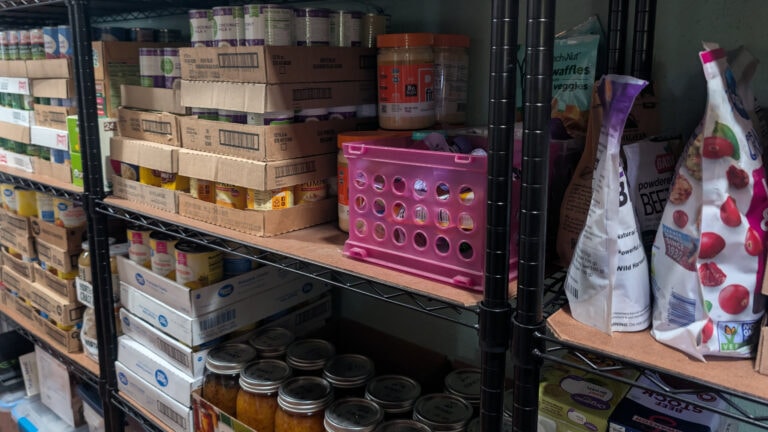
Food is also important. At a minimum you should have enough food on hand for a week to feed your family. Ideally, if you can have 4 weeks on hand, you should be decently set. More is always better.
Stock up on basic foods that don’t take a lot of energy to make and still provide you with a lot of energy. Candy bars are not energy dense. Canned meats go much farther. If you need to, do a basic calorie calculation for each member of your family and then make sure you stock enough calories for them, plus extras, plus more for when they are working.
Check out our article on basic food storage for more tips on getting start with food storage.
You never know when a winter storm could cut off your access to the outside world. If you live in the backwoods far enough, then the likelihood goes way up that you might get stuck for a time. Before we moved to the coast, some friends of ours who lived there were cut off for seven days. And they lived right off a main highway.
#3 – Stock up on heating fuel
Make sure you stock up on heating fuel before winter hits.
If you use wood heat, get it all split and ready to go. Make a chunk of kindling so you spend less time in the cold weather. Build a shed if there is time to cover your wood. This will save energy in fighting a frozen tarp. Have a place to store some wood inside, ideally enough to run the wood stove for at least a day. Always have more wood than you think you need. A 20% margin will come in handy when winter lasts longer than expected.

Pellet stoves are easier in terms of not needing to chop wood. But it’s much easier to get the pellets you need before cold weather strikes. Loading heavy bags of pellets from store to home is taxing in cold weather. And even worse with ice on the ground. Plus, if you have your supply, you don’t need to worry should the stores run out and you are critically in need. If you can budget for it, get extra.
If you have to stock propane, try to have an extra tank or two. If your propane is delivered, so what it costs to be on a plan that gets them to top up your supply on a regular schedule. This way, if they can’t get to you for a time, or you can’t get out, you don’t run out of fuel.
Plan for a secondary method of heating your house. Especially if you are on electricity only heat. Heat pumps don’t work well or at all below a certain temperature. And should the power go out, you need something else in place to heat your home or even just a few rooms. Mr. Heater portable heaters are one solution for short term heating with enough ventilation.
#4 – Plan alternate cooking methods
Just as important to heating is cooking. Plan for other ways to cook your food should the primary method be unavailable.
I remember many times as a kid where the power would go out. My dad would pull out the big camping stove and life would go on. Fresh hot pancakes for the win, even when the powers out.
Camp stoves, backpacking stoves, Sterno cans. There are lots of alternate methods. Make sure you collect some and keep the fuel for whichever method you choose on hand.
#5 – Have a backup method of communication
In winter, storms take out power lines with ease. And when the poles go down, so too can the internet services. Depending on the lines, this can easily take out phone services, including cell phones.
You need to plan other methods of communication so you can keep in touch with the outside world should things go sideways. Even simple GMRS radios could give you a critical link to the world. Plus, GMRS licensing is simple and low cost. No test is required.
The farther out you live, the stronger I recommend you look into getting a HAM radio license. With a good tower on your property, you can reach far and wide.
Don’t get stuck if the grid is down. You need ways to call for help and to gather outside information. Having a fall back method of communication can do just that.
Learn more about off-grid communication in this article.
Conclusion
With a little preparation, winter can be a time to enjoy. And with these Winter Preparedness tips, you should be able to get your homestead in order before the first snowflake falls.
Things are always easier when the weather is in our favor. Work through the list starting with the outdoor items and then go inside. Save the emergency items for last if you must or sprinkle them in so you have a well-rounded preparedness plan.
Don’t try to do everything at once. Instead work on preparing bit by bit until you feel comfortable with what you have ready. If you get done early, you can always add more.



Thanks, this is really helpful! Also seal gaps around your ductwork and heating vents (especially where they pass through floors or walls). Even the tiniest cracks let warm air leak out and cold air sneak in. Caulk, foam sealant, or simple metal flashing can go a long way toward making your heating actually stay where you want it.