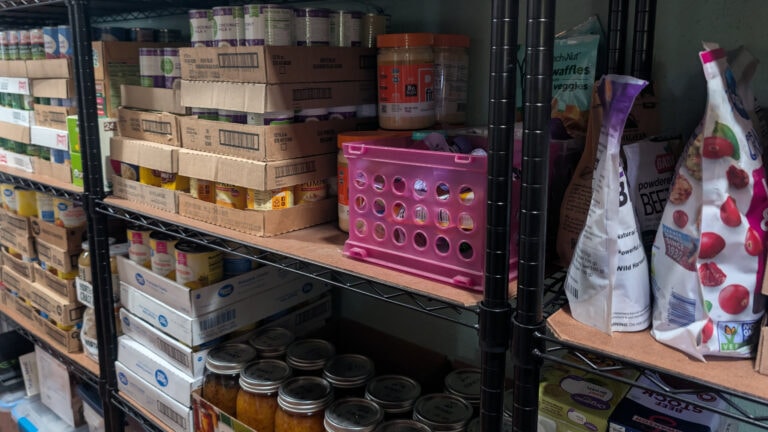
The other day I saw someone post the question “How do you continue to work on food storage and preparedness when you are TOO BUSY??”
Lately, our lives have been way “too busy” for our liking. We had a week where we spent four days at our kid’s co-op practicing and performing the play they were working on. In the middle of all of that, the kids had a bake sale for our youth programs yearly fundraiser. That weekend we went to a cousin’s wedding and had a baptism for one of our kids. It felt like pure chaos.
The next week was supposed to be calmer and yet, there we stood with a house that felt like a bomb had been dropped from the previous week, appointments, church meetings for our kids, and so much more.
Overflowing Priorities
Our kids’ priorities have also been all over the place, so we started talking about the priority jar.
When we focus on all the little things, the big and more important tasks get left for last and often spill out vs. when we put the bigger things first, the smaller tasks and fun items can fill in around those and our life feels full without constantly feeling like its overflowing.
This brought me back to how do we work on the different aspects of preparedness when we are too busy. We must make it a priority. Whether that is inventorying and rotating our food storage, updating our 72-hour kits, or setting aside a little bit of money each month to buy something that would help us in an emergency, we must make it a priority.
How we handle preparedness while busy
On the first day of each month, we have a calendar appointment with ourselves. This time block is key to auditing our food storage and keeping the inventory list up to date. Sometimes this gets put off for a day or two. And some months it takes us a couple days to get through everything.

But it allows us to see what we have used and go from there.
Once we know what we need and have used, we can build a shopping list for the month. We can increase stock on the things we go through the most like canned peaches and decide what to ditch, like the single case of pears that’s we still haven’t gone through in six months.
If you are not sure where to even start, this article covers the basics of food storage. The most important thing is creating a system that works for you.
The time block also gives us the needed reminder to spend a little time auditing supplies and setting aside a little money to continue to grow what we have.
Updating your Go Bags
Aside from food storage, our go bags (or 72-hour kits) and buckets are a priority for our family.
The day we moved to Idaho we had to drive through one fire and got an evacuation notice a little while later for a second one that started and was growing rapidly. Being able to bug out in a short period of time when a fire alert comes thorough is critical as we live in a place with few routes out.
Go bags don’t take a huge amount of time. We typically rotate clothing out a couple times of year to make sure everything still fits since our kids are growing. We also make sure the food in our buckets is still good. If it’s coming close to its expiration date, or even shortly after it, we will use it and replace it with something new.
This article covers key essentials for a 72-hour kit.
Planning Ahead
When crap hits the fan, it’s too late to plan. And very possible to late to do anything about it.
I’ve been working on a mini binder with critical info as well as a list of what to grab and from were based on whether we’re at Ready, Set, or Go for our emergency status. The binder also will contain plans for where to go if we must leave, critical contact information and much more.

We pray we never have to use our binder but if we do, I don’t want to be left with nothing.
Preparedness is more than food
The other way we focus on preparedness is to have certain tools on hand.
The saying “you get what you pay for” is often true so we do our best to buy quality items that will last. During a shutdown, we don’t necessarily have to run for the hills but having proper tools is important. Even having spares.
For example, some of our food storage is in cans. To use the things in our food storage, we will need a can opener. It seems simple enough, but forgetting one is not going to be fun.
Also, in our food storage we try and keep organic whole wheat berries because unlike flour, they last much longer. The downfall is you must grind them yourselves. We are working on saving up to invest in a quality wheat grinder.
Have the tools you need to take care of heating supplies if you have a wood stove, and so much more is important.
Right now, we have a wood stove that heats our house so having the ability to cut and split wood is a necessity for our family. We have invested in some of the tools to do this and we are working on getting other tools that will help make the job easier in the future.
If you have appliances that use propane, you may want to have extra tanks on hand. Propane lasts indefinitely, is easy to store, and works on many appliances, including water heaters and dryers. In smaller tanks, it is very portable while allowing you to cook for your whole family.
Conclusion
In the end, preparedness has become a priority for our family. It’s something we have made time for because being caught off guard could cause a disaster to become more stressful than it already is.
You will naturally focus on what you put priority on. If you choose not to make time for key things like preparedness because you feel too busy, it might be time to step back and revisit your priorities.
Is that third extracurricular activity for your kids more important than your family’s safety when something goes sideways? Your call.
But for us, our family’s safety and needs will always come first.