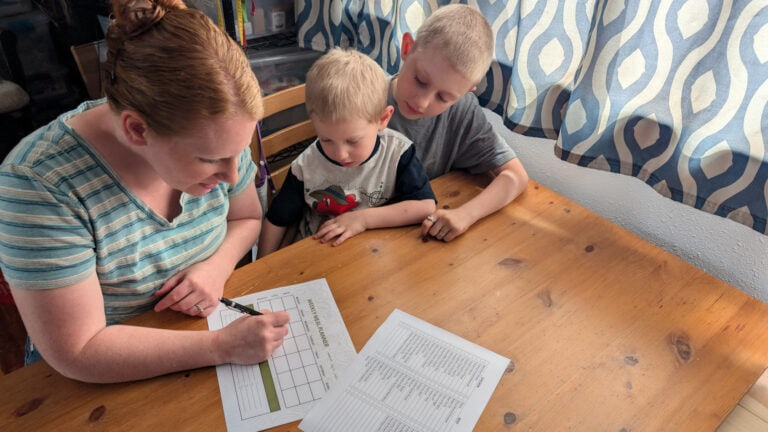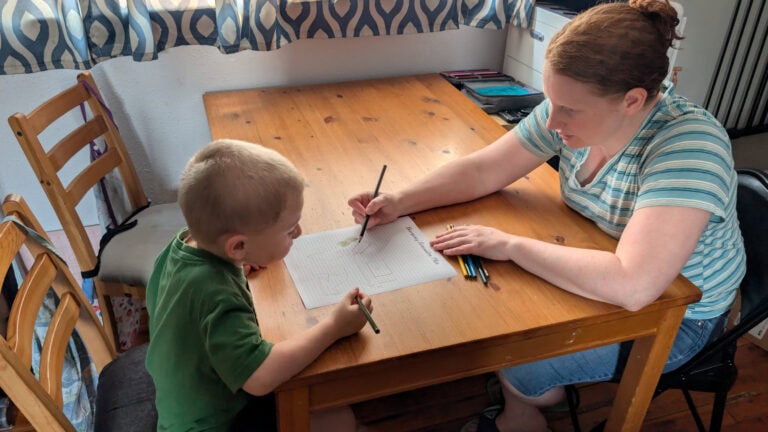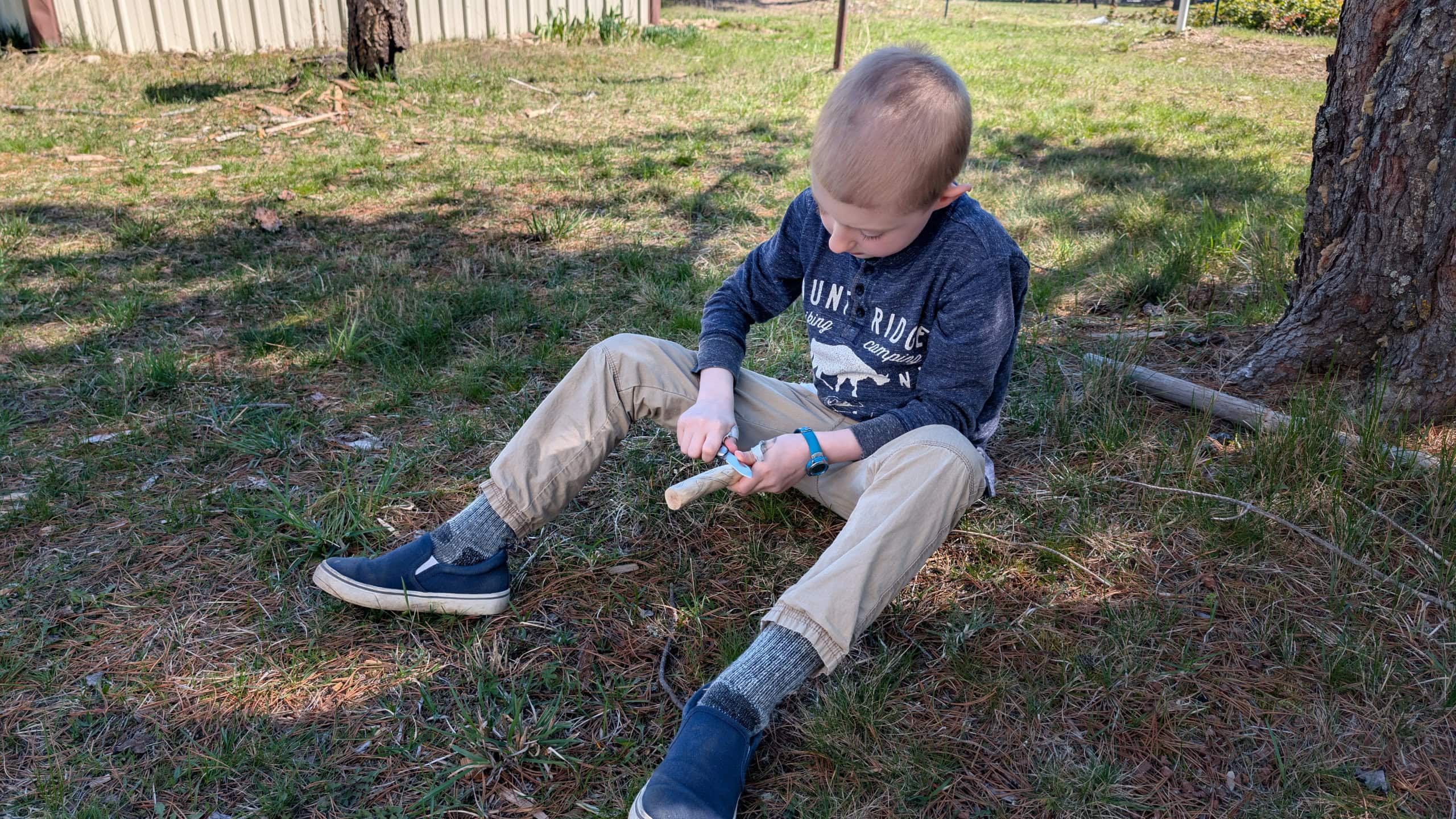
Preparedness is not just for adults or teenagers in your family. It starts with getting your little ones involved in the daily tasks. And with teaching them skills to overcome fear in the face of uncertainty. Whole family preparedness comes when everyone is ready, even the little ones.
To assist with that mindset change you need to provide your kids with tools and give them independence to help them build confidence. A great first step is putting together an Everyday Carry (EDC) kit. Something they can carry around and feel confident they can get out of a bad situation.
Family preparedness is more than paper plans, or piles of gear. Simple tools allow us to solve everyday problems without relying on outside influence. This is where the EDC kit shines.
The 5 essentials of a kid’s EDC kit
Kid-friendly EDC kits need to be functional, safe to carry (especially in schools if needed), and empower them to correct minor problems on their own. These essentials are a great place to start.
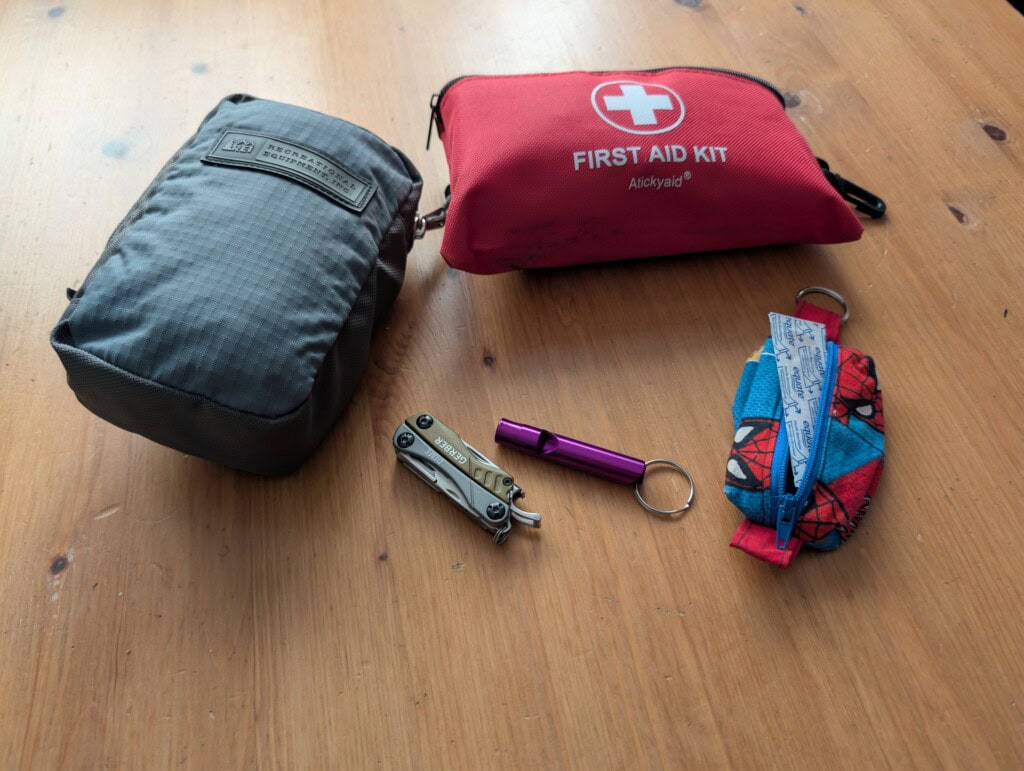
I recommend getting a small bag or pouch that the gear can store in. Some people even build their EDC kits into an Altiods tin.
Signaling for help
The first essential gives your kids the power to get help. A safety whistle travels much farther than a voice can carry and will almost universally be recognized and capture attention of those around them.
Whistles come in many varieties, but I recommend you start with a simple metal or plastic one.
For younger children, I recommend these single piece plastic ones which come in a multi-pack and are cheap enough that you don’t have to worry when one gets lost. Plastic is also best for cold environments to avoid metal frozen to lips on small children. For an upgrade, go with a titanium whistle, which is generally louder and better quality.
Teach your children to sound three sharp blasts in a row to signal distress and the need for help.
Lighting their surroundings
Darkness can quickly lead to panic, even for adults. It was not long ago that we got caught in Walmart during a short power outage and the adults even got concerned. Providing a small quality flashlight allows your child to light the way before them and calm fears.
A good flashlight provides the ability to keep situational awareness, even when darkness falls.
EDC Flashlights come in two formats. The basic white and signaling lights. For basic EDC keychain-style lights, I recommend the Coast KL10 which uses a single AAA battery and is very bright. This light is part of my EDC kit as well. If you want a light that also has signaling or red light modes, I recommend the OLight Emergency Flashlight, which is USB charged.
Tools to solve problems
Trusting your children with a pocketknife is an individual choice. You alone know your kids best and how responsible they can be. But if you feel they are ready, a small multi-tool gives them the power to solve problems and work independently.
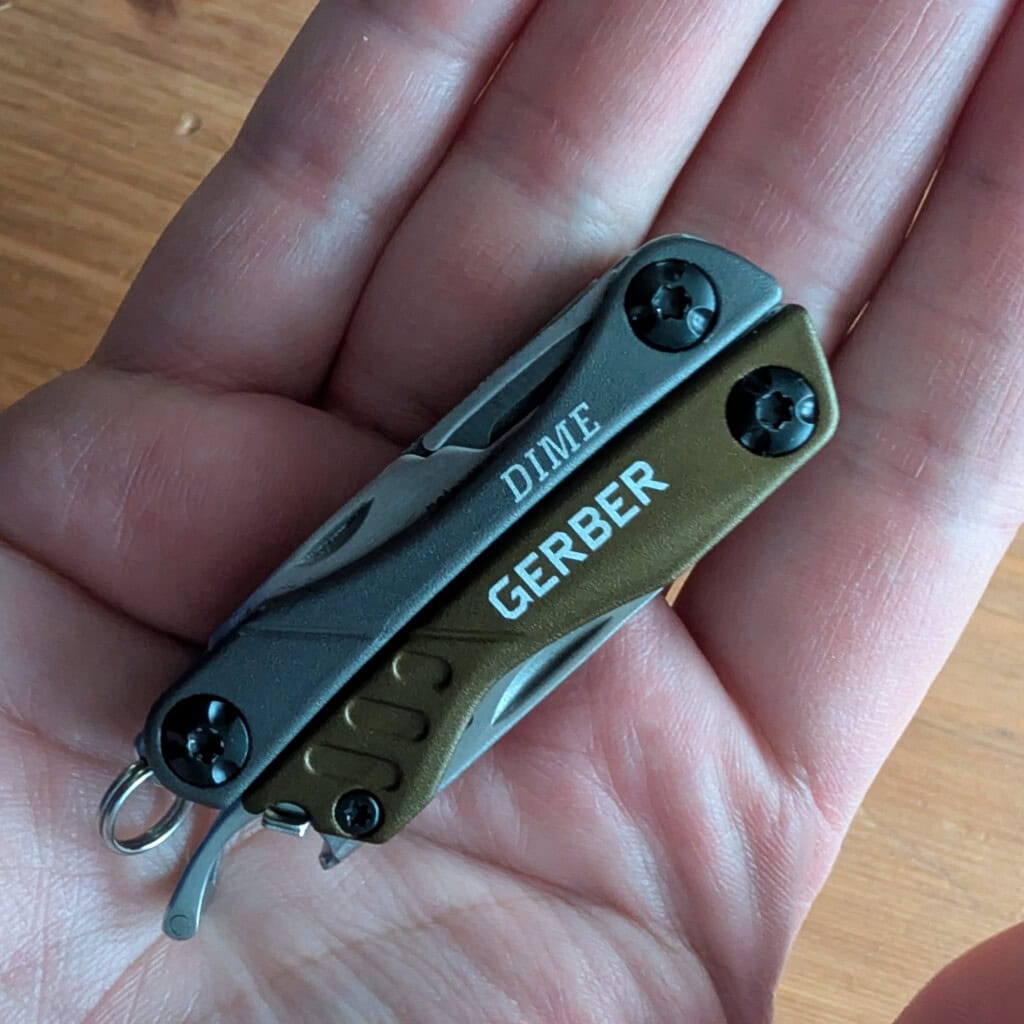
Using these tools builds hands-on competence. It’s more than just cutting a string; it’s about understanding how a simple machine works in their hand.
For homeschooled children who are ready to have a knife, I recommend the Gerber Gear Dime. With 12 tools on board, they will have scissors, pliers, screwdrivers and even a short blade. Having a blade restricts this tool, so it is not good for school children in an EDC pouch.
However, the NexTool Micro Sailor S0 does not contain a knife or pliers, opting for scissors instead. This tool is TSA compliant and should be able to enter most schools but check with the office if you have concerns! Ensure you get the S0 model, as the Micro Sailor has a knife model too.
Fixing the bumps and bruises
Teaching independence when it comes to minor injuries is a great way to reduce fear. When a child feels empowered to fix a cut without help, they gain confidence to handle larger issues.
A simple first aid kit gives them that ability. For the smallest kit, with a few bandages, cleaning wipes and gauze, I recommend this first aid kit by Lighting X. You will probably want to supplement the kit with extra bandages, plus maybe some anti-itch wipes, or pain relievers.
A step up for first aid kits is this mid-size travel first aid kit with over 100 items. It contains all the medical items most kids would need while on the go to fix minor injuries. We have one of these kits for each of our children. Keep in mind, this is more of a backpack kit, not something they would carry in a small pouch on a belt.
Boredom busting & note taking
Providing a child with a tiny notebook and pen lets them leave notes and write down important details like directions. Plus, for the low cost of a notebook, most children will happily doodle to pass the time.
Tiny notebooks can be picked up at your local Walmart or dollar store. Let your kids pick their favorite colors or even personalize the cover to make it their own. Short pens are easy to carry, but I do recommend gel styles, so they write better in damp conditions.
Bonus: A snack for the road
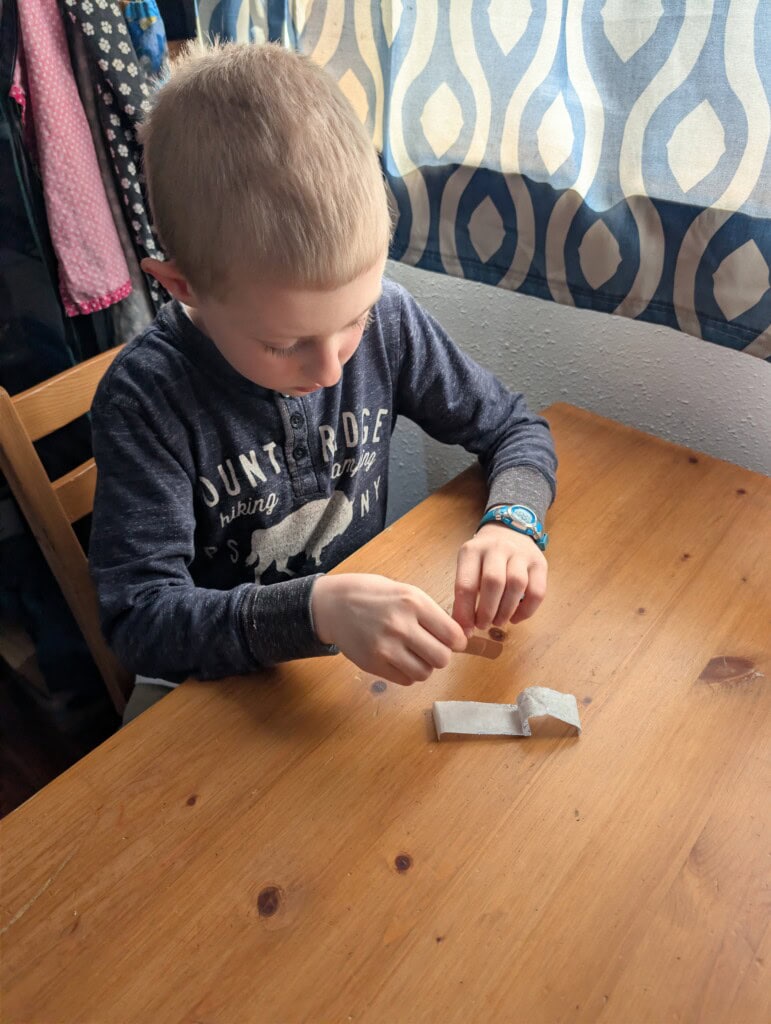
As a bonus item, I recommend keeping fruit leathers in kid EDC kits. They last an incredibly long time and can help you kids fight the hunger craving in an uncomfortable situation. Because they are dried and flat, they store easily. Our favorite ones are Stretch Island, which we get off Amazon or at Costco.
A small snack can quickly calm most kids (and adults) no matter what their age.
Train your kids on their EDC tools
Providing a knife or first aid kit is a great start. But if they don’t know how to use it properly and safely, the tools in their kit are useless to them.
Make sure you cover how to use each item in the kit, where to keep it when they don’t need it, and to report back to you if they need something replaced. If they empty their supply of bandages, the kit loses its effectiveness.
Make it a game, like flashlight hide and seek, and whistle tag to keep little ones involved.
Building a lifetime of confidence starts young
The more you work with your children while they are young, the more confidence they will have their entire life. Basic problem solving skills come easy when you empower them to use their abilities.
Not everything is good for every kid. I certainly would not give scissors or a knife to my 3 year old. But a small pouch with bandages is a small cost when he can ‘fix’ his hurt finger himself. Yet my teenager can carry these items and even more, such as a little cash.
Don’t forget to include a small emergency contact info or PACE card in your EDC kit, too! Train your kids to do the right thing, provide the ability, and let them build confidence through a simple EDC kit.