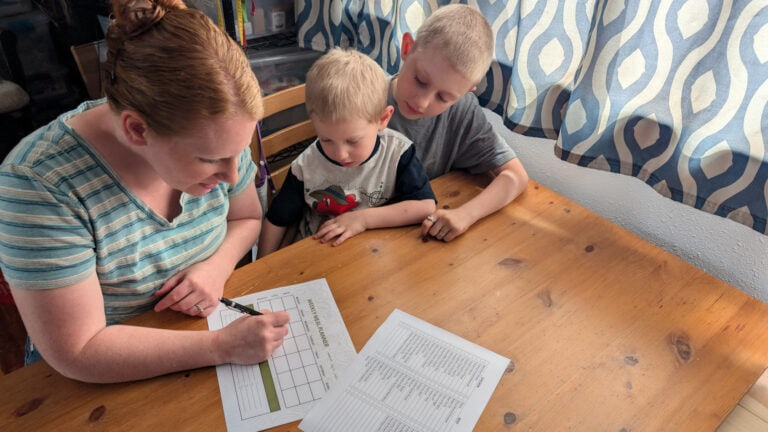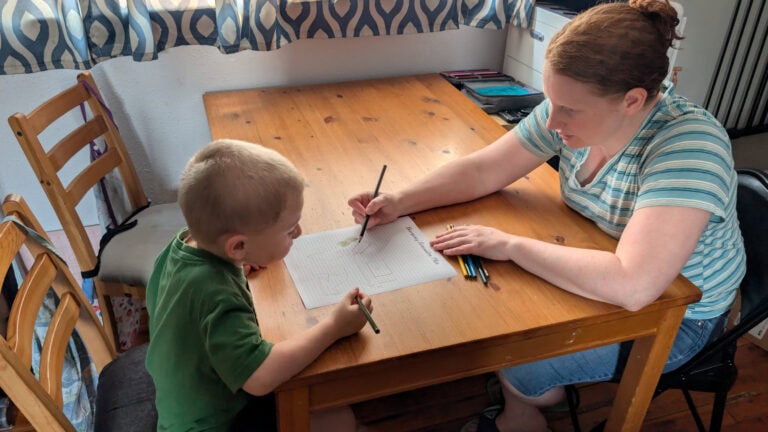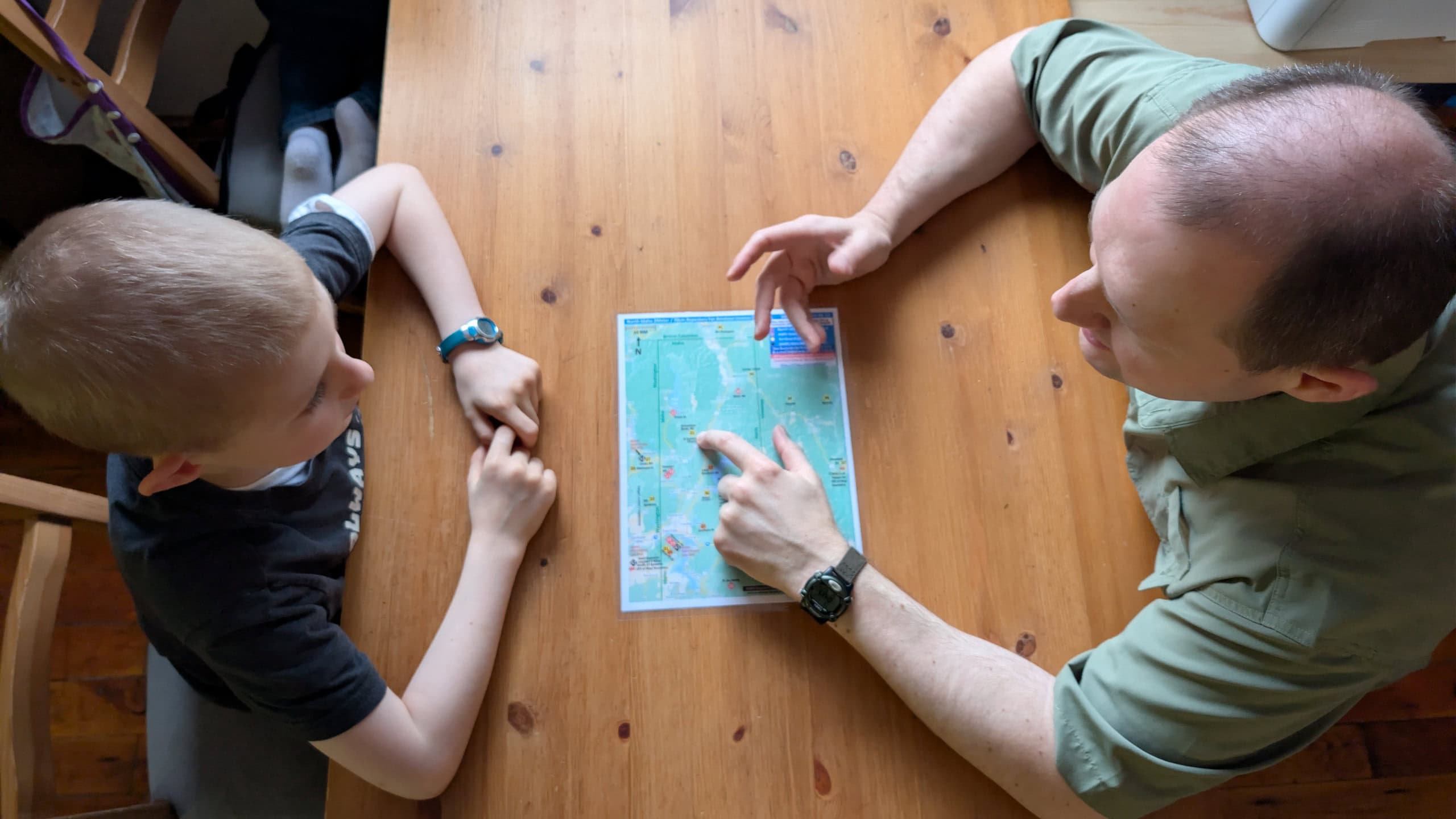
Family readiness should not be another chore on Mom’s to-do list. And it certainly should not be a doomsday drill intended to drive fear into the family members.
The problem is most prepper lists cover collecting the gear and a long list of tasks. It becomes a chore for one person in the house to handle it all. And let’s face it, for a homeschool parent, that chore becomes yours.
Instead of making preparedness a chore, you can turn preparedness into practical life skills for homeschooled children. Just like your children can help wash dishes or do laundry, preparedness becomes a life skill for the future, and a weight off your shoulders.
Apprenticeship Model: Teaching Kids Life Skills Through Household Operations
As a homeschooling mom or dad, you need to learn how to release the reins and let the kids expand their abilities through hands-on work. Practical preparedness is no different than a science or language arts lesson.
You would not (I hope) give your child all the correct answers during a unit review. Sometimes letting them learn through struggle is necessary. It stretches the mind and helps them grow.
This practical three-step system is probably something you already do for schoolwork. Now you can extend the method to preparedness.
I Do, You Watch
For our youngest children, the best way to learn is by watching. Our 3-year-old can repeat complex tasks just by watching me do it once. Our 2-year-old learns new words by repeating those we say.
Once you pick a few preparedness tasks to pass off to children at varying ages, the first step will be showing them how to do it. Sometimes more than once. But we all learn best by being shown something at least once.
We Do It Together
The next step for any apprentice as they go through school is to work together with the master. In the world of family preparedness, you are the master.
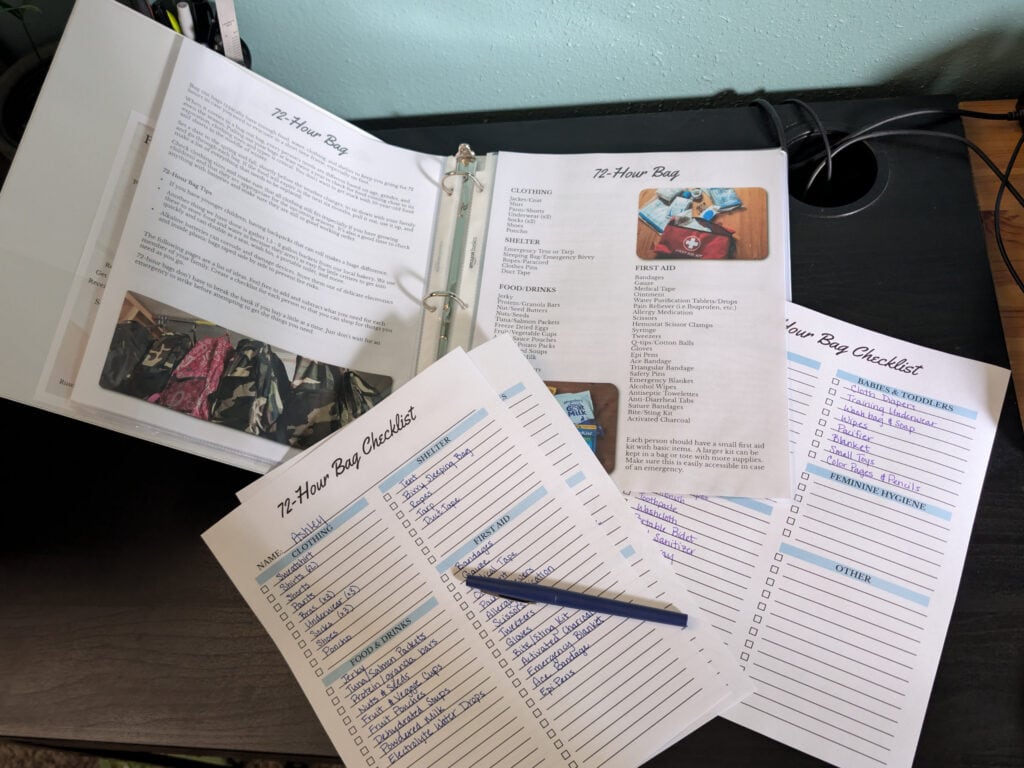
Work hands-on with your children at least once to ensure they understand the task completely.
When we started teaching our kids how to rotate the food storage, we were there side by side doing the task with them. What their hands do becomes solidified in their memory. Written lists and plans also help them work independently.
You Do, I Watch
The last step is to pass the torch. Today is the day they complete the task alone. For our oldest, his radio ‘graduation’ was getting to check into the HAM radio group by himself.
I was still there, ready to help and correct mistakes. But the only way for them to truly handle things alone is to let them do it. Eventually, you can walk away and just say ‘Hey, this is on your chore list for today.’
Shifting Burdens
Recognizing we can’t do it all is key. We need to shift the burdens and spread the load around our family. It’s not about the chore. It’s about the skills.
Ultimately, we want our kids to grow up independent and able to handle themselves. If you have ever seen the TV show ‘Last Man Standing’, the dad, Mike, tells one of the daughters that she can’t use the car until she can change a flat tire alone. It forces her to get outside her comfort zone and learn how to save herself in an emergency.
We have to push our kids to learn the key life skills that can get them on the road. And preparedness life skills become more important every day with the uncertainty that plagues us.
Operational Preparedness Roles Your Kids Should Own
Just because you can do it (or do it faster) does not mean you should. Yet some tasks will never be good candidates for kids to tackle.
And you need to account for skill abilities per child. During the winter, we heat our home with wood fires. Even though I might send the 15-year-old to start the fire does not mean I feel the 4-year-old is ready to do the same.
Some tasks will always be better handled by age. I could teach the 3-year-old how to safely gather the tools to start the fire, or practice counting the wood together.
You know your kids best, so give them jobs that fit their abilities for success. These are some jobs I think are easy to ‘outsource’ to our kids to enhance every family’s preparedness.
The Pantry Logistics Clerk (Food Storage)
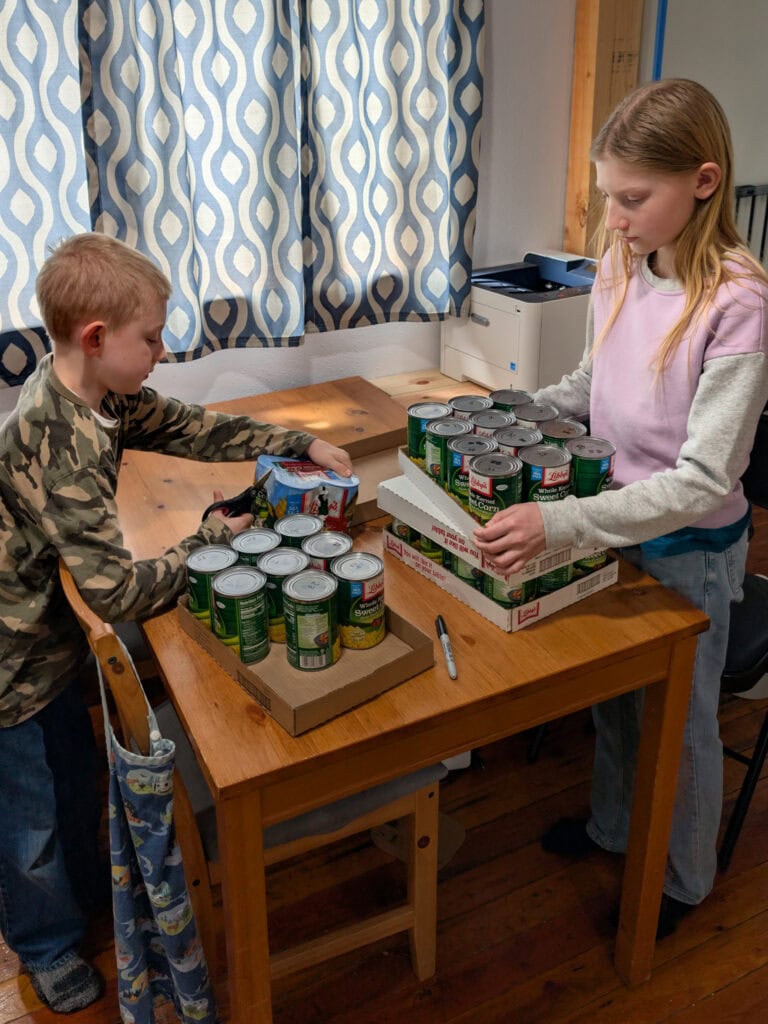
Instead of trying to track all the expiration dates and stock levels yourself, assign a child or two to handle the pantry. Whoever you assign will become responsible for completing inventory, rotating food, and cleaning. They should be able to pass lists to you for future purchases.
This new weekly (or monthly if desired) chore is added to the routine.
The pantry logistics clerk takes over the pantry. If you are up to it, they should get a say in how things get organized (with guidance). Have them use a sharpie and inventory sheets to create a seamless pantry rotation system to ensure the food stays fresh and organized.
The Communications Officer (Grid Down Communications)
Rather than checking the radio gear yourself, pass this task to another child. You don’t need to memorize the frequencies or babysit them on every weekly check-in. They can handle charging batteries, testing radios, and keeping accurate radio logs.
The communications officer is key in your family’s PACE plan and is responsible for making sure all the communication gear is charged should the grid ever go down.
Since the communications officer will naturally become skilled on all the tools, you can even have them do a teaching night where they train the younger kids how to do something on the radio. Some of the best ways to learn are to teach.
The Household Safety Specialist (Family Preparedness Planning)
When is the last time you checked the pressure levels on your fire extinguisher? Or batteries in the smoke detectors? These tasks, often at the bottom of a huge list, tend to get passed over. And are perfect candidates for passing onto your new ‘Household Safety Specialist’.
Instead of detailing every single part of the plan, pass these tasks on to your kid. With minimal guidance they can work out problems and even help teach their siblings what to do in emergencies.
A teen or older child can take the lead as the person responsible for the monthly checks of safety equipment, emergency bags and other plans. They should be able to take your basic family preparedness plans and ensure everything works. The Household Safety Specialist is also responsible for the drill activities your family runs. You stay strictly in the observer lane.
Shifting Mental Load Fosters Child Independence
Under high mental load and stress, our minds forget things. Or we intentionally skip the tasks for another day when we are not so stressed (like that ever happens).
Shifting the mental load is the only way to ensure everything gets done. Family preparedness is no different than trying to be self-sufficient. We need a community to survive. Well, in a prepared family plan, your household members are your community. We need each other to succeed.
No longer is everyone reliant on one parent to complete it all perfectly and likely missing something. You pass the torch to your kids who share the load.
Plus, while it may seem like a burden on your children, it’s really not. It’s giving them strong independence skills and out-of-the-box thinking.
These are not just fluff skills or math equations they might never use. You are teaching practical life skills that will only stand to grow through time. You are giving them confidence in the face of unknowns while building strong day-to-day skills in household operations for when they grow up and have kids – and it may just save their lives.
Next Steps for Your Homeschool Homestead
This plan only works when you act. Not in a month but today.
Pick one skill set and preparedness task you need to offload. Start with the ones that fall through the cracks most often. Pass these to your children.
There will be a training period. This is not an instant fix. Please, please, do not drop a task on your child and expect them to succeed. That only sets them up for failure. Rather, work together, go through the apprenticeship steps, and build them up to the right level to let them fly solo.
Families grow stronger when they all work together towards a common goal.