When the wildfire is bearing down on your homestead, who will that matter to the most other than you? Are you alone, or do you have a group that you can call for help?
Building a preparedness group in your local community is about supporting one another. It’s about working together to get everyone in your group ready for the unknown.
Being prepared for the unknown is essential. But you can’t do it alone. And you certainly can’t do it with everyone. Local small groups are the answer to being ready for anything in the uncertain world we live in.
This article gives you key tips for creating a group and working together to prepare yourselves for anything.
Rural communities are made to be prepared
When you closest neighbor is a ½ mile or more away, it leaves you on your own more often. It’s not a simple walk next door to a cup of sugar. And so, you plan ahead.
This instantly translates into being more self-sufficient and prepared. But it also leaves you alone.
Since you do everything yourself, who need the neighbors anyway. This disconnect leaves you vulnerable to the unknowns that you did not plan for. It does not need to be this way.
Your rural community has a lot of resources. When you connect the resources together, the community can accomplish so much more. As we all thrive together, we become even more ready.
Even if you are living in a city, connecting gives you the opportunity to pool resources. Often this comes in the form of food and water. But it could easily translate into land sharing, displacement housing and much more.
Are you sure you are ready for any disaster?
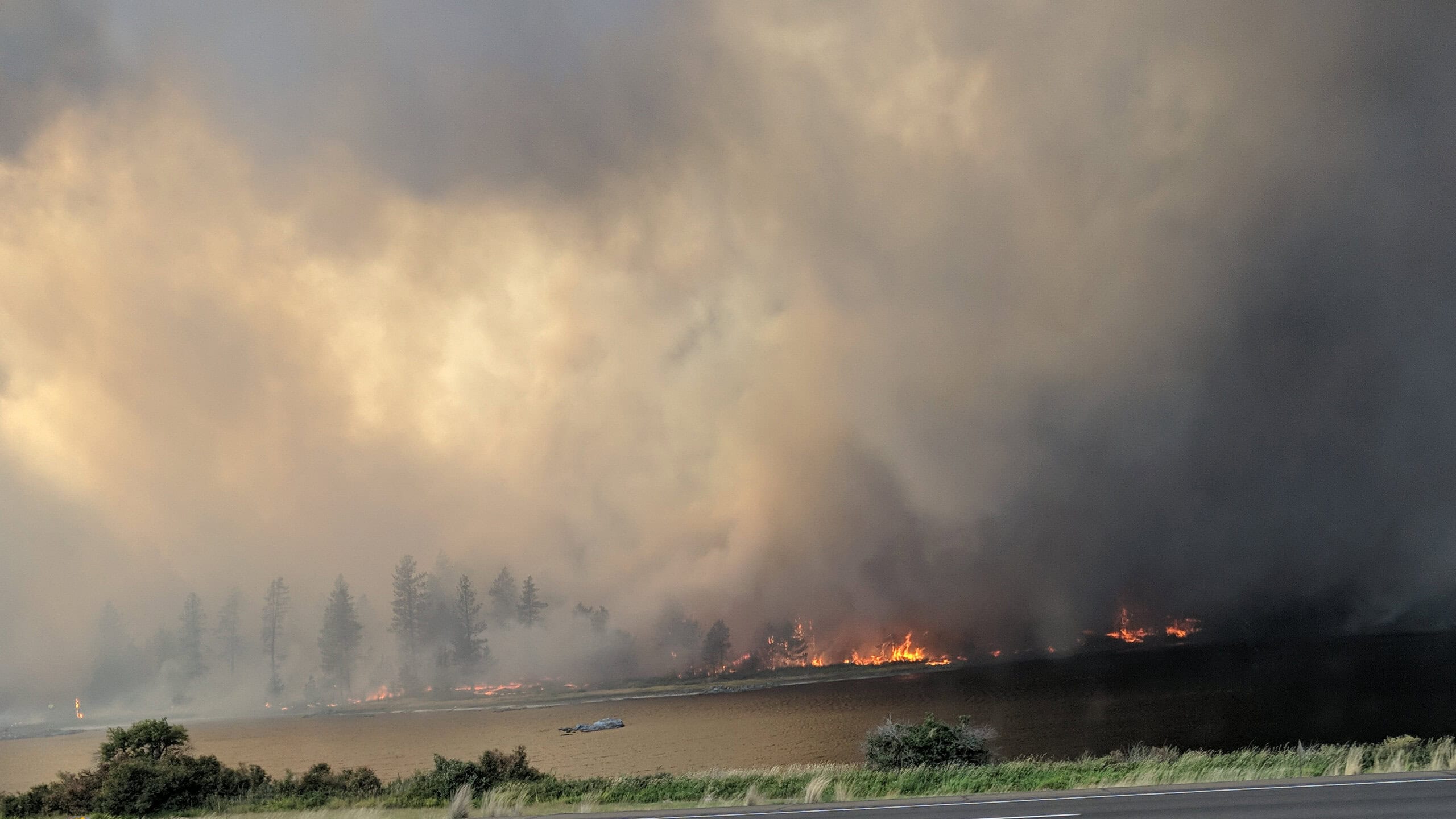
In my local community, the big topic as we pull out of spring and into the dry of summer is wildfires.
It makes sense that most people around us, and ourselves, are prepared. Prepared to leave our homes if fires come knocking. Planning for animals, key essentials and family communication are a priority.
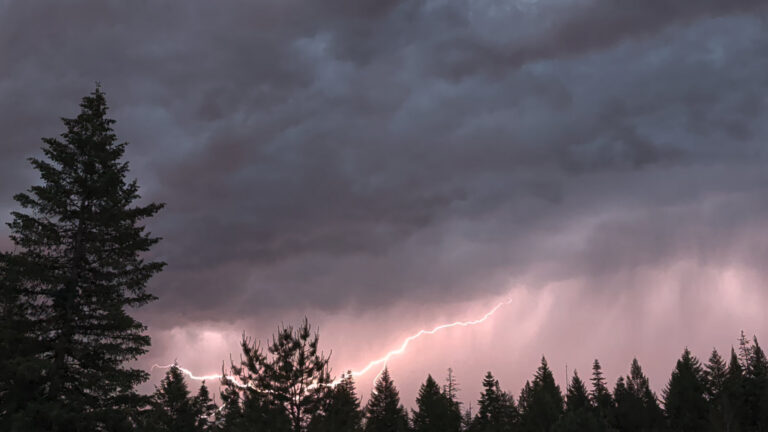
With such a focus on fire, there are holes in our preps for other disasters. They are so rare, why think about it?
A group not only gives you the ability to pool resources, but to pool planning. As a collective group, it’s likely you could come up with more disasters to plan for. And even plan for things that are not a disaster.
Going alone is rarely the answer
I don’t care how prepared you think you are. You will always be able to stand stronger in a group.
Why do you think the end of so many zombie movies come with humanity picking up the pieces in a compound on the edge of nowhere? A group will always be stronger.
You need the power of a community. And the skills that come with it.
Each person will always have a unique skill set. A group can take full advantage of those skills for the betterment of everyone. Going alone means if you don’t know how to do it, now you must wing it or go without. In medical situations, winging it might not be the best option. And going without could be death.
We have a full guide covering self-sufficiency myths, specifically why trying to be a lone wolf is always a bad idea and where community really shines.
Start small with people you already know
It’s kind of a given that most of us already interact with other groups. Church, schools, clubs, sports, co-ops. The list goes on and on. You already know a lot of people.
In the past it was estimated that we all have a network of 200 people. That number is possibly even higher today given the abilities for connection abroad. If we threw out all technology, there are probably at least 50 people you already know locally.
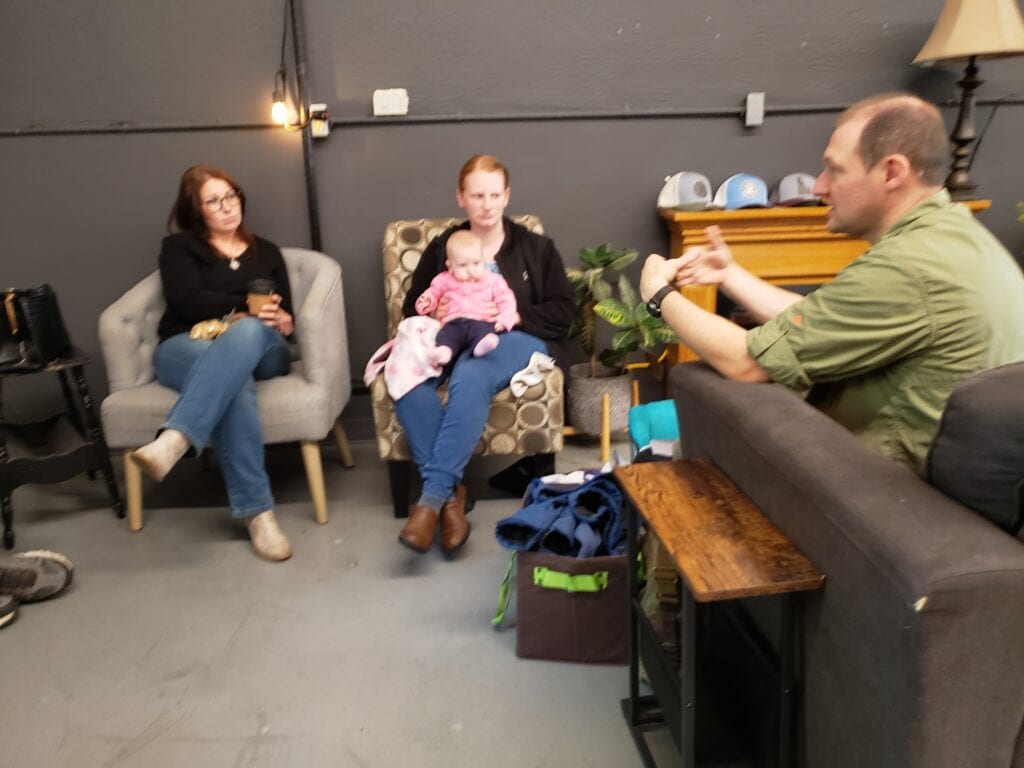
In those 50, there are probably people who you already gravitate towards. People who already share very similar views and feelings about things that you do.
Not everyone at your church will feel the same about push button topics. But some will. Those are your people. And very likely your first group members.
We also have a local homesteaders & small business meet-up that happens once a month. This group meets to help each other grow and learn new skills in business and homesteading life. Instead of a singular focus on disasters, we are helping each other grow in our everyday lives.
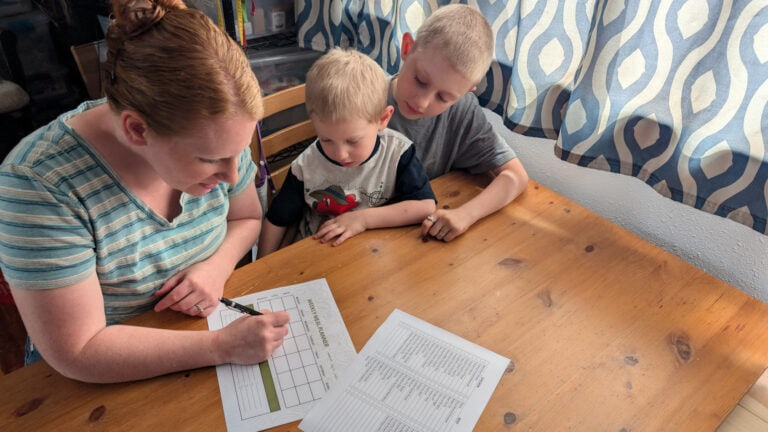
When you look at creating a group, a good place to start is by looking at your family communication plan. Often you will have local contacts that you already trust. If you don’t have a family communication plan, check out our guide on creating a P.A.C.E. plan.
Start casual and simple
It’s simple enough to invite a family you like to dinner. You can even take it up a notch and invite a few families over for a potluck.
You must start somewhere. Plus, you need to lose the turtle mode and extend your neck a little.
If you don’t start getting to know someone, you won’t get very far. The best way to judge if someone is a good fit for your group is to get to know them better. Deep topics come up more often when you are sharing more than a casual conversation.
We all start out as humans with niceties. It’s easy to put on a face for a bit. Not long. Get to know someone enough so you can trust them when crap hits the fan.
Share the group and invite others to join later
It might be tempting to go all out and invite everyone. But this is not your everyday group. This is a group for preparing for the future unknowns.
The key to strong groups is to build a working core. This could be a few families, or a dozen. But get a consistent core who are interested enough to show up and be there.
Grow the group slowly as everyone gets along and bring new people to the fold a few at a time. Let everyone be comfortable with newcomers.
Remember, you are asking people to share their preps and even the food on their table should crap hit the fan. You are asking a lot of them, so you need everyone in the group on the same page.
Define a mutual goal
Your group needs a purpose. While being prepared can be the ultimate purpose, it might quickly burn the group out as well.
In one of our groups, we have a few families. We end up hanging out on the weekend for dinner and a chat, while our kids get together and play. The chat touches on all kinds of topics, not just being prepared.
And instead of being tied to a singular focus, we bounce around homesteading topics, off-grid life, past stories and skills we have. One of the families is multi-generational and the older mom likes to teach sewing when she is feeling up to it.
Our group is there to support each other in whatever they need. We pool resources and skills to help each other on their respective homesteads. We have even been toying with the idea of a co-op where the kids spend time learning and making things.
Your group should be defined by more than just being prepared to keep it lively and fun for everyone, including the kids.
Have your preparedness group meet regularly
If you only talk to people in your group once or twice a year, you won’t know what everyone can bring to the table.
The group I was talking about above meets once a week. Now meeting constantly might not be the best option for your group and that’s plenty fine.
But you should be meeting at least once a month to discuss things and working mutually forward towards being prepared.
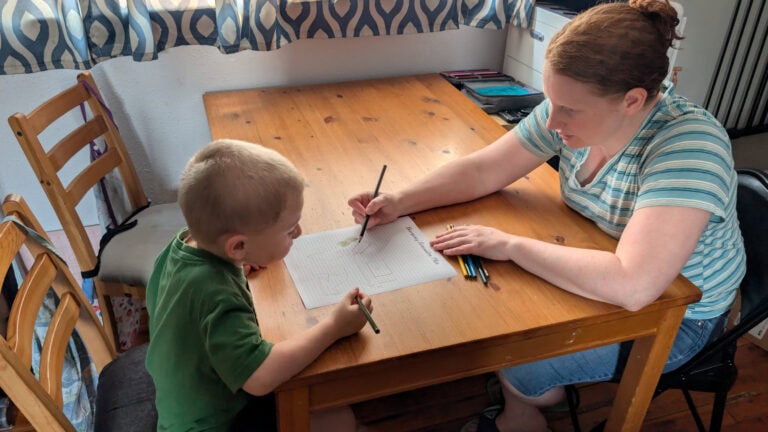
I would recommend starting out with a rough plan of topics or disasters you want to prepare for. Then pick a topic each month and have tasks that each family works on during that month.
For example, you could have a meeting in January with a focus on food storage. Then throughout the year do short check-ins to see how everyone is doing at getting a three-month supply. February could be focused on 72-hour kits. And so on.
You also should plan a rotation, or mutual meeting location. Unless you are very outgoing, having to prepare your house constantly might put a lot of strain on you. Eventually that strain could cause you to cancel the group.
For example, you could meet in your living room during the winter months, at someone’s barn in fall, another’s porch for summer BBQ’s and so on. Make it fun and inviting so people want to come, especially when the weather is poor.
Share different topics and lessons
I touched on this above, but you need to have a topic to discuss.
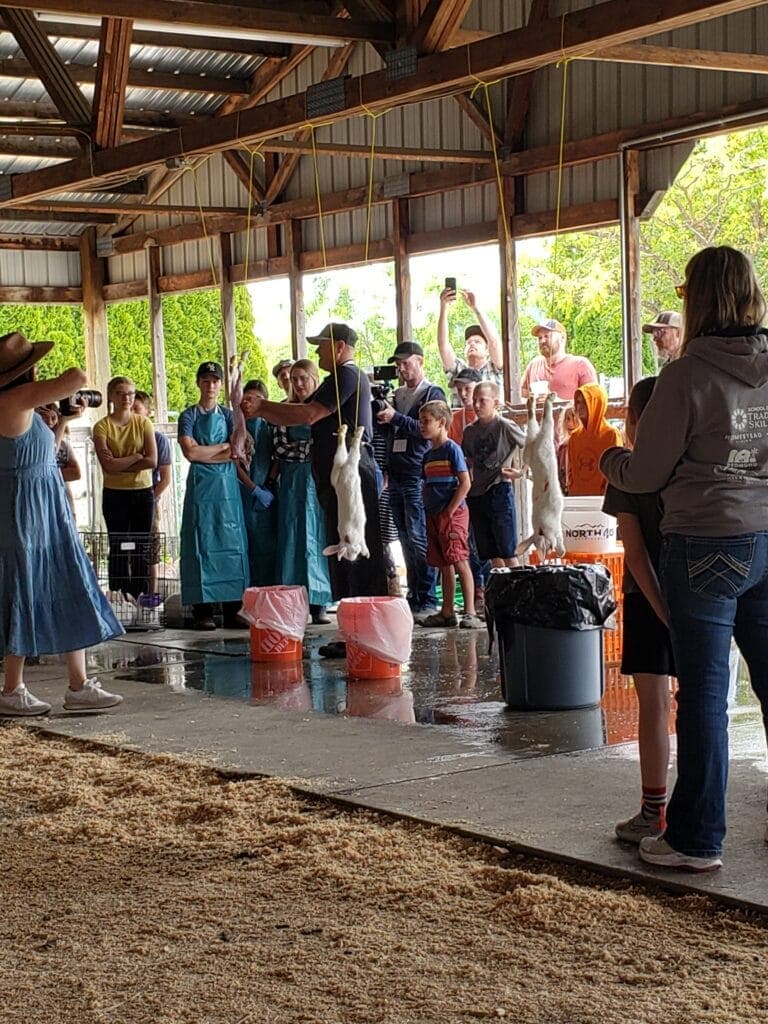
Depending on how strict you want your group, you could plan full lessons to help each other gain skills. Or keep it simple and work on basic skills.
In our group, one of the members has a full set of wood working tools, so we plan this summer to let the kids explore working with wood. Another is good with welding and has offered to teach us how to weld.
Each person brings something to the table. Have a discussion on what everyone would like to share with others and then plan meetings around those topics.
Some key topics you might want to plan on are:
- Food Storage – Get started by reading this article on food storage
- Water Storage & Filtration
- Basic Medical Skills
- Emergency Communications
- Homesteading skills
- Gardening
Really the sky is the limit to what you can discuss and learn. But you should have a plan to learn something. And work together to help each other grow the skills that they learn. If nothing else, get the kids involved so they start to gain skills too!
Celebrate group wins
As you all work on different topics, make sure you celebrate any wins that your group accomplishes.
For example, have a lesson on food storage, set a goal for a three-month supply and then have a party when everyone makes it.
Celebrating wins encourages people to continue forward with the group’s efforts. And the more everyone is on the same page, the better your group will function when it’s called on.
Build a contact network
Now that you have a group, if the world falls apart you need to be able to get a hold of people in the group. Obviously basic information is needed, but let’s go a step farther.
Create a phone list that has everyone’s key details. I would recommend that you start with the following:
- Name
- Cell phone & home phone if available
- Address
- HAM & GMRS radio call signs
- Family members
- Jobs
Plan a phone tree
When things go sideways, have a plan in place to reach everyone in the group.
Start with phones. However, phones might not work. That’s where HAM or GMRS radios come in. Plan a specific channel and regularly test your communications methods. This article covers off-grid communications and is worth a read if you are interested in getting radios.
Our kids have a bi-monthly check-in done on GMRS radios. Not only do they learn good radio skills, but they also get comfortable with being on it. If you don’t want your kids’ names on the radio, stick with open channels that don’t require a license and give them all a call sign only the group knows.
Know where to rally
When evacuation becomes a requirement, have a plan for where to meet away from danger.
Your group should be your second family. You always want to ensure they are safe and sound. Choose a few locations that are away from possible dangers and know when to meet at which place.
Our family and extended family have plans to meet up at the main shop on the property first, then head as a group to a safe location.
Use your phone tree to check in with everyone and make sure they all make it to the rally point.
Keep the structure light
You don’t need a huge leadership structure. You might not even need any at all.
However, you do need to define a person who oversees basic planning. This will keep everyone on the same page and keep a central point of contact for managing things.
If you want a little more structure, assign different roles to members of the group. Have one person in charge of calls for setting up the meetings. Another person could oversee snacks, or kid activities.
You choose, but don’t make it so much work that people get burnt out.
Don’t forget community resources
Yes, there are tons of resources available outside of your group. Don’t turn your back on the community just because you have a group now.
There will always be trading opportunities. You might be able to collect more resources for your group by taking advantage of trades.
Your group can also grow in its members by connecting with your community. Eventually it would be good to bring more resources into the fold. Maybe the skills your group lacks can be found by meeting new people in the community.
Try leveraging other community events or church events to meet new people and continue to grow your available resources and members.
Avoid fear
Nothing will break up your group faster than fearmongering.
People only have so many mental resources. And if you use them all up with fear, they are less likely to be prepared. In fact, they will likely leave. The stress will turn them off completely.
You can be prepared and still under control. Don’t let fear of the unknown rule the group.
Being prepared is a long game. It won’t happen overnight. Your group will probably not go from none to lots of members. It’s also probable that everyone will not be ready in a short time. Be patient and recognize what each member needs.
New members will come from every walk of life and level. Take advantage of who comes on board and work to support everyone without being fearful or inciting fear in others.
Conclusion
The fastest way to the support you will need in an emergency is already around you. Local people, neighbors, and those in your community. Local will always be key when disaster strikes.
When you learn to organize yourselves and become prepared, disasters no longer are something to fear.
It’s up to you to take the first step. Talk to people. Build your groups and community so everyone is ready.