In the military, we didn’t just go out and hope to start a Humvee. We performed regular maintenance, so we knew everything worked. On the homestead, the same applies. The systems you maintain today will be ready for use when the lights go out.
There is a big difference between owning a generator and being able to use the generator. It goes beyond the skills to pull the starter cord or turn a key.
Performing a review of the systems and tools on your homestead, while completing regular maintenance ensures your family is prepared for anything that comes your way, including day to day life.
Taking a few minutes to look back takes you from ‘we got lucky’ to ‘we were ready and knew all would go well’.
Your 6-Month Emergency Preparedness Checklist At-A-Glance
- Pantry, Household & Water
- Inspect and rotate food storage, checking for damage or expired food
- Treat and inspect stored water, discarding smelly or discolored jugs
- Check stock levels on medical and household goods
- Communications & Power
- Check electronics and batteries, charging as needed
- Perform testing and maintenance on generators
- Run regular radio practice checks
- Family Readiness
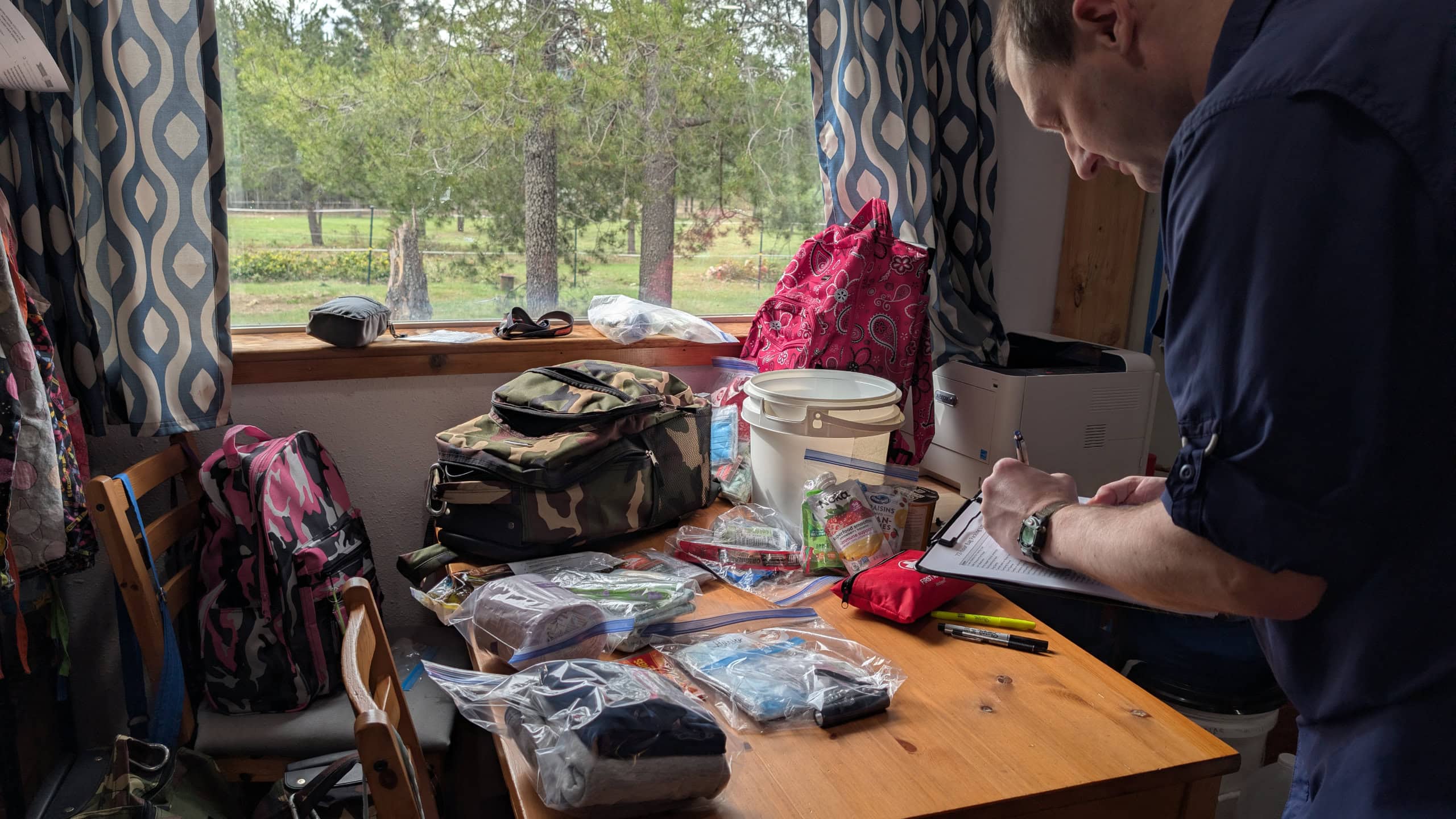
- Rotate clothing in 72-hour kits
- Restock and rotate food and supplies in EDC & 72-hour kits
- Run family drills that keep the kids involved
- Secure the perimeter
- Audit points of entry and test security
- Clean debris and hazards to expand security past your home
- Perform a regular review
- Track 3 wins
- Plan 3 improvements
- Summarize the last six months and compare it to previous reviews
A Prepared Homestead, Veteran Style: The Tactical Glossary
This article digs into the systems required to keep your homestead functional. In the military, we didn’t leave gear to chance; we prepared it for the front lines so our battle gear would be an asset, not a liability. Because they are efficient, I will use the same professional terms the military uses for readiness. You’ll see these terms throughout this guide:
- PM / PMCS (Preventative Maintenance / Checks & Services): A systematic, step-by-step inspection to ensure equipment is fully mission-capable before it’s needed.
- AAR (After Action Review): A professional review used to analyze what worked, what failed, and how to improve. We use these to stay honest about our progress.
- PPE (Personal Protective Equipment): The gear, from gloves to respirators, that keeps your body safe while performing maintenance or responding to a crisis.
- EDC (Everyday Carry): The essential kit you keep on yourself 100% of the time to handle immediate, unexpected problems.
- Squad: My term for the family unit. In a crisis, your family isn’t just along for the ride. They are a squad where every member, even the kids, has a role to play and gear to maintain.
The 6-Month Food Storage Rotation and Water Audit
As your food storage increases, it’s nearly certain there will be food that site on the shelf for extended periods of time. But just because it’s within its expiration date does not mean it is good.
Packaging gets compromised in transit. Pests can unfortunately get into boxes you felt were secure. And manufacturing has random issues causing unexpected contamination.
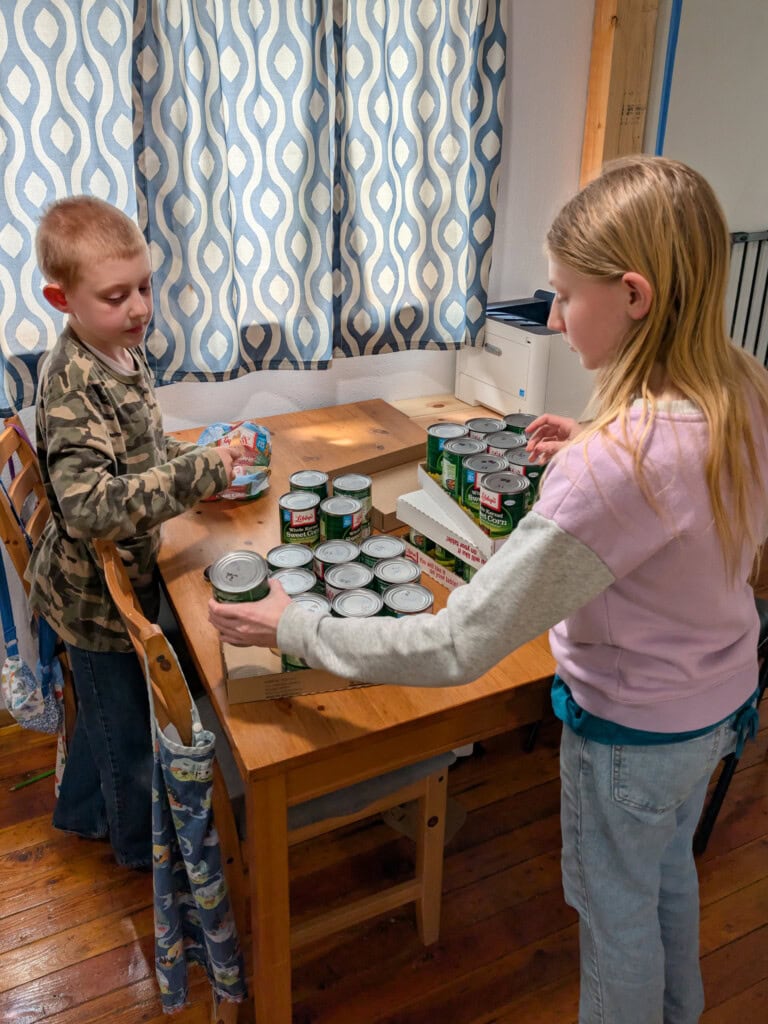
These checks are a great spot to assign your younger squad members to help you. They are easy for 7-10 year olds to accomplish and are rarely overwhelming. It’s important to keep everyone involved to build unity.
PMCS for Food Storage
Every 6 months you should do a complete inventory to identify holes or missing items in your pantry. Sometimes an item will get missed being checked off when it’s grabbed of the shelf. Or if you have kids like we do, they will ignore the checklist and eat anything that suits them.
As part of your inventory, inspect packaging for holes, bloated cans, or expired dates. While many items can go past the date stamped on the package, you need to make that call for your family.
A bag of dried noodles could last on the shelf for years past the best buy date, but a can of meat could be questionable shortly after. Powdered milks easily go rancid, same as ground wheat or corn.
If there is a doubt, it’s better to replace the item than be left with nothing in a time of need.
Starting from scratch can be overwhelming, and it takes time to get a system going. If you are wondering it you even want something in your food storage, or are trying to transition to a from-scratch pantry, check out our guide for helpful foods to stock.
Dedicating certain tasks to your kids help reduce overload when there is so many things to do. For more tasks you could offload, check out our guide on teaching kids practical preparedness to save mom’s mind.
PMCS for Water Storage
Ideally you should be storing water for your entire family. This can be split between drinking (potable) and general use (non-potable) to save on treatment supplies. In any case, stagnant water has hazards that come with it.
If you are storing water in plastic containers, these containers need to be inspected. As plastic degrades it can end up with holes and can contaminate water stored for long periods. Replace anything with holes or discolored/smelly water.
If you choose to treat the water, add treatment according to the schedule on the package. If you are using bleach, depending on the strength, you may need to add more every 6 months. Bleach and other treatments naturally vapor off or turn to salt water in containers.
For example, bleach can lose strength at a rate of up to 20% a year. For every jug you keep unused on the shelf, after 3 years, you will need to use over 2 times as much for the same result.
Pro Storage Tip
Fill empty canning jars with water and a fresh lid. This saves ‘empty’ space from unused jars. Or go the extra mile and pressure can some water jars to create sterile water safe for medical applications.
Don’t forget the medicine cabinet or everyday supplies
You need to audit medical supplies in addition to food. Medicines can lose effectiveness or become hazardous when expired. Throw out (or safely dispose of at most pharmacies) old medicines and medical items.
Regular essentials like toilet paper, soap, and shaving blades should also be checked. While they don’t expire, toilet paper starts to break down over time. And if you run out of soap or shaving blades, the rest of your squad won’t want to be around you!
Technical Gear Audit: Checking Batteries, Generators, & Radios
Have you every had a battery corrode in your child’s toy? I certainly have, and it’s horrible to clean up.
Knowing you have batteries on the shelf is far different from knowing they work. For the small cost of checking a battery, you know that flashlights and other battery powered gear are ready to go.
Training for the squad is easy in this step, I don’t know of too many kids who won’t gladly play with a flashlight or radio!
Testing & charging batteries
When we store our flashlights, we keep the batteries out to keep the light itself safe. Every 6 months, we load them with the batteries, check if they work and unload them again. Each battery is inspected for damage or leaks before testing. Even sitting batteries go bad.
If the device is rechargeable, you should create a schedule to ensure all devices are ‘topped up’ and ready for use. For some battery types, like lithium-ion, this means using the device to get the battery lower than 80% to prevent damage.
Keeping your generator maintained
Whether you choose solar generators or fuel-powered models, each need a regular PM schedule to keep them in good working order.
Most solar generators can plug into the wall to charge. This is great for the quick charge, but a failure if you never test the solar panels that go with it. Put your solar generator in the sun for a day to make sure you know how long it takes to charge, and that your panels maintain optimal abilities.
Keep the panels stored safe, in a dust free location or covered. Scratches and grit will degrade and damage panels, leaving you without the tools to charge that expensive generator.
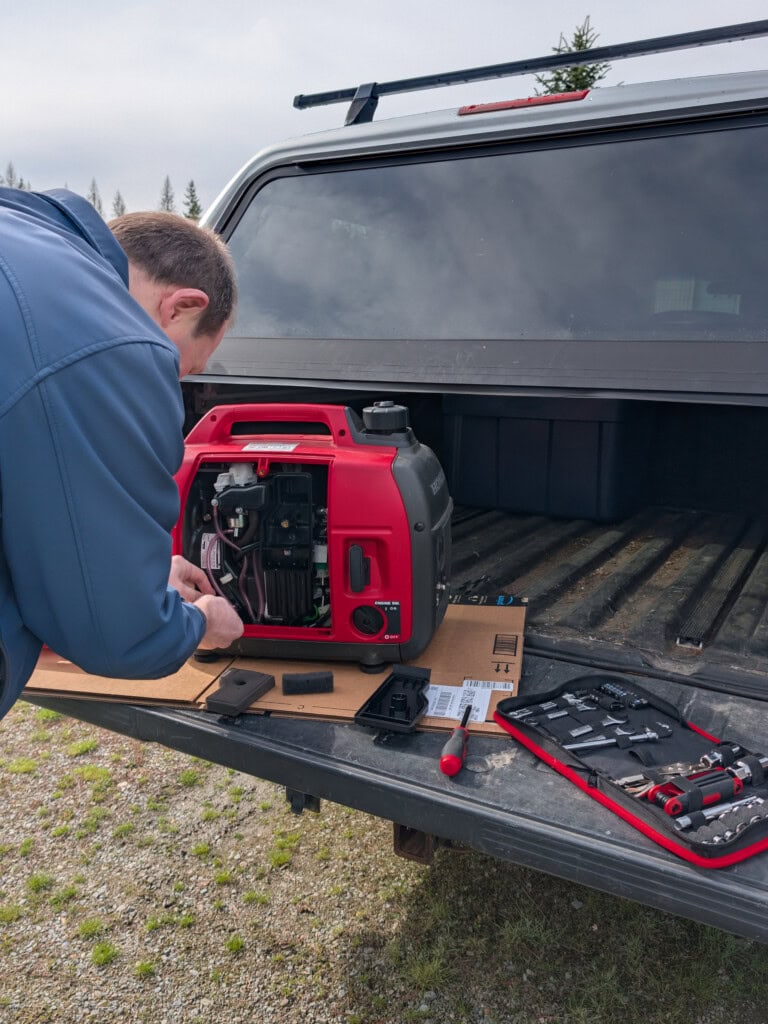
Fuel-based generators should be started regularly, and load tested. Plug something in and draw power to ensure the generator portion is working, not just the engine. A 15 minute test is enough to get the engine warm and test all the functions.
Don’t forget to give it a tune up either. Our gas powered generator uses oil just like a car. And needs regular oil changes to make sure the motor still turns. Plus, it needs the air filter checked and cleaned. Make sure you wear PPE while doing maintenance.
Running your radios
If you only plan to use your radios when the grid fails, it’s likely you will have forgotten some key details. There is a big difference between listening to the radio and actually make a call out. Practice makes perfect.
At least every 6 months, issue out the radios to your family members. Instead of texting the house on your way home, call them on the radio. Have the kids do ‘check-ins’ while they run through the farm chores. Being ready means being comfortable.
Using radios is the best fall-back solution to communications and should be part of your family communications plan. But that means you have to use and practice to keep the plan current.
If it’s not practiced, not charged, not maintained, it’s not ready!
Start your preparedness in 5 minutes
Changing Clothes: Auditing EDC & 72-hour kits for the season
I have 5 kids that grow like weeds. If I blink, they might be an inch taller. But that means that when 6 months have passed, the clothes in the 72-hour kit are likely too small. And guaranteed not right for the coming season.
Swapping clothes for the season is not just nice, it’s required for us. Winter clothes and shoes are not a good fit for wildfire season in North Idaho. Have your kids try on the outfits to make sure they fit well and will fit for the next 6 months.
While you are in the 72-hour bags, check the bandages, medicines and other essentials that expire. Yes, bandages expire and lose stickiness.
Rotate the food to keep fresh items in the bag. Restock anything used in both the 72-hour bag and EDC kits. Check for dull or broken tools, such as pocketknives. A dull blade is useless in an emergency.
While the bags are out, it’s a great time to run through a few low key drills with the kids. If your kits contain masks or other PPE (rain gear is PPE too), make sure your kids know how to use them. PPE often has effective expiration dates, so pay attention to those and change anything that’s out of date.
Don’t’ forget to teach kids how to use the gear while it’s out. For example, pull out a bucket and let the kids play/practice pumping water through the filter into a water bottle. Or have them set up the tents for a homestead camp out.
Family preparedness is more than gear
Go over plans and your preparedness binder too. If you have a great plan, tucked away collecting dust then it’s not a plan at all. And if the kids can’t remember where to meet, the plan fails before you even hit a disaster.
Practice the drills with your whole squad. Ask the kids questions about your plan. Nurture them to understand the details without beating them over their head with it. Be kind, even when they make a mistake. Because now is the best time to make a mistake.
Physical security & homestead infrastructure
Your homestead is your base of security. But only if you treat it well.
Points of entry take damage and wear during normal use. Doorknobs break, keys get worn, and seals fail. Regular maintenance in your home makes sure the house can still protect you in bad weather and from intrusion.
Expanding perimeters of protection
Logically we start with the house, or home base. Then like a military operation, we expand outwardly at a gradual and methodical pace.
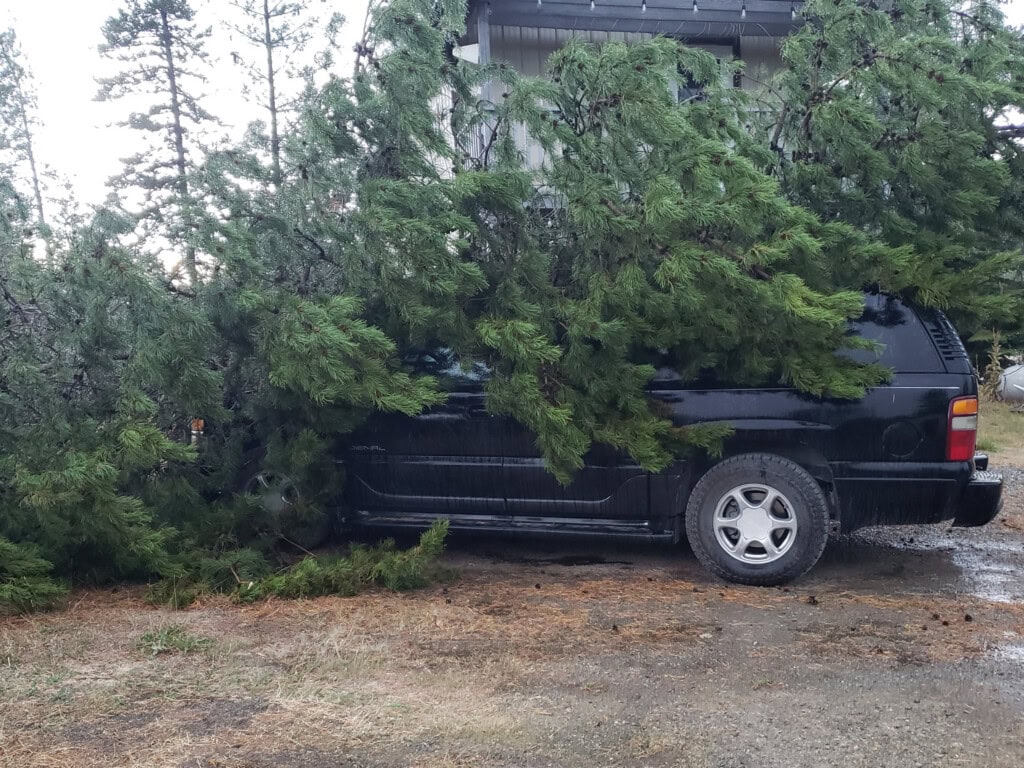
On a homestead this means clearing dead branches from around the house and inspecting the foundation of the home for root or water damage. Next you move to the front yard, is the big tree becoming a risk to fall on the house or car?
Continue expanding outwards, one section at a time. Resolve those problems before you move onward again.
Keep your fallback clear at all times
Don’t forget to check your avenues of retreat. Are there hazards that could slow down an evacuation? A mile high pile of shoes in front of the door or a broken rig blocking the circle driveway are obstacles to overcome. Clear any hindrances to keep the battle and retreat lines open.
Closing the 6-month loop: Conducting an AAR
Your plan might look perfect on paper but fail horribly in action. And that is exactly where an AAR comes in. You are not only reviewing what went wrong, but the positive success that you had since the last review.
Your three sustains
In this section, you look back and write down three things that went well. Items like keeping up on the pantry rotation. Or ones like ‘We got the big tree down, so it won’t crush our rig this year when the winds hit’. Don’t forget to include the youngest squad members in the AAR. For example, mentioning that your youngest remembered how to get to the offsite meeting location on her own.
Positiveness is important for forward motion, so tracking wins helps everyone feel great about the family’s preparedness level.
Your three improvements
Life’s not all roses. No matter how hard we try, something will fail or slip through the cracks.
The improvements are not about beat yourself up. It’s about finding the hole in the roof and planning to patch it before the rain comes. Be clear and honest with what went wrong and jot down a short plan of action to fix it.
An example here could be simple: ‘We missed rotating the food in our emergency bags and ended up with some more expired food we had to throw out. We will do a better job at checking each pocket, so nothing gets missed next time.’
Or something like I got so busy that the generator PM got missed, this next month I have added it to my calendar and will get it done.
The commander’s review
The final section to your AAR is a summary review. This is your chance to acknowledge what you got done, what the plan for the next 6 months is, and where you focus should be.
This wrap up gives you a quick overview to look at when you go to write up the next AAR. Did you complete the tasks from the previous 6 months or are you creating lists of problems and never acting on them.
You can also see where you improved and then slipped again. No sense in always patting yourself on the back for a job well done, when the course keeps shifting direction.
Conclusion
A prepared homestead is never a one and done. It’s not buying all the gear so it can sit on the shelf collecting dust either. Preparedness is a lifelong process. And regular upkeep is a key part of that process.
With your PMCS completed this month on the homestead and your AAR written, you’ve done the hard work. Next time it gets easier. Soon enough the whole process becomes second nature.
To jump start that process, you need to document your systems and create inventory sheets. Create a master manifest lets you run through and check all the boxes. Plus, you can divide them out, so it goes from crazy panic on month six to light chores each month building to success.
It’s time to move from the occasional prepper to a prepared homestead with regular PM and AARs for your family.