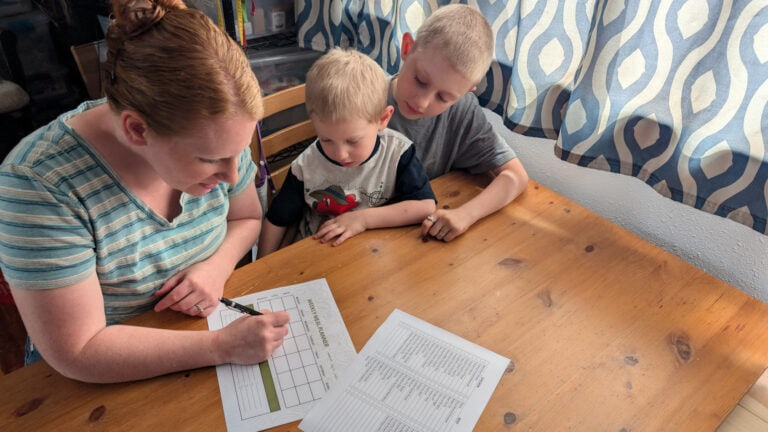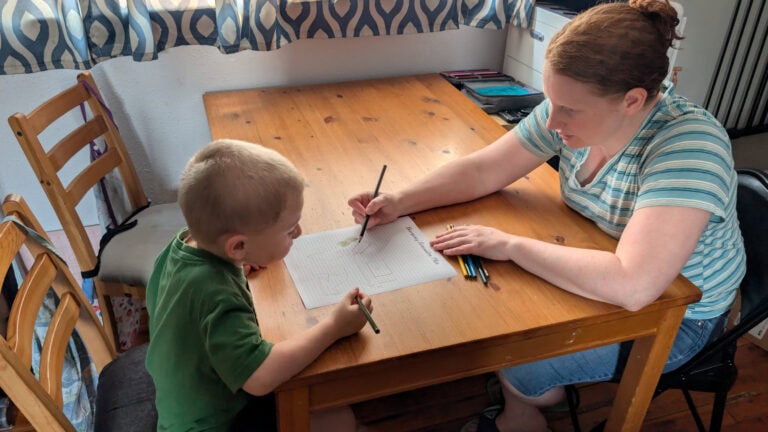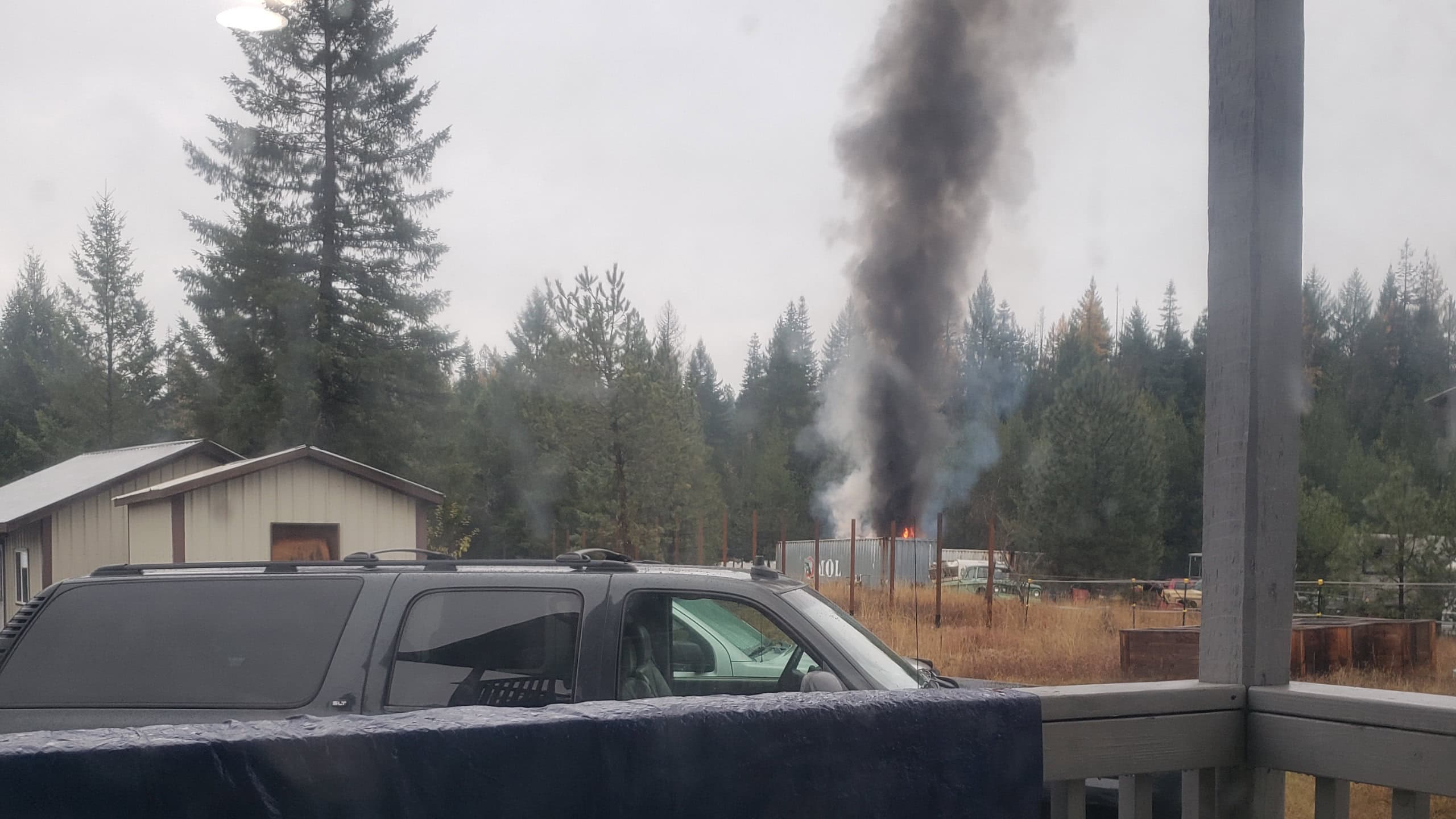
A few years ago, we came downstairs to find our living room and kitchen flooded. A water line under the kitchen sink had burst, and water was pouring into the house. Thankfully, I was able to go out and shut off the main water line. But what if I was not there?
As humans, we tend to build plans in our head. Once built, they live there, never shared. No one else knows our plans. And if we are not around when disaster strikes, our plans fail before they even get started.
Your memory is a single point of failure. No one else can share your memories. But a written plan is not only sharable but teachable. Now your kids can even execute the plan and save the house.
Saying the plan is in your head is just a nice way of saying you winging it. Because no matter how hard you try, pieces will be forgotten even if you are there to give the orders.
Your Brain vs Adrenaline: 72-hour Memory Loss
On a good day, your plan might be perfect. Yet for many of us, a good day is not a high stress situation.
Stress leads to memory loss. Sure, its short term, but when you forget the key detail of how to shut off the gas in an emergency, things get worse fast. Your memory failure can cost lives.
The Amygdala Hijack
When something goes sideways, our brains drop into the Fight-or-Flight mode. In this mode the outside stimulus is dumping straight into the emotional part of your brain. Your rational and logical filters (the prefrontal cortex) are overridden.
Unfortunately, this leads to impulsive action. And rarely leads to smooth thoughts on how your plan is supposed to go. It also leads to forgetting key details, like where the gas shutoff tool is, or where your insurance cards are before you run out the door.
Being an expert does not mean you can execute
I may know all the details and how to do everything in an emergency. But my kids do not!
And if I don’t share the skills with anyone else, they cannot execute the plan either. How many times have you heard the saying practice makes perfect? There is a reason it’s so true.
While I was in the Army, we spent large amounts of time practicing skills. Taking apart and cleaning rifles even if we did it the day before. Practicing troop movements or driving skills for military vehicles.
This regular practice builds ‘muscle memory’. Even now, some 20 years later, I could probably field strip a M4 rifle and get it back together again. Your family needs to practice your plan to share the same success, today, tomorrow, and always.
Is your family stuck behind a single point of failure?
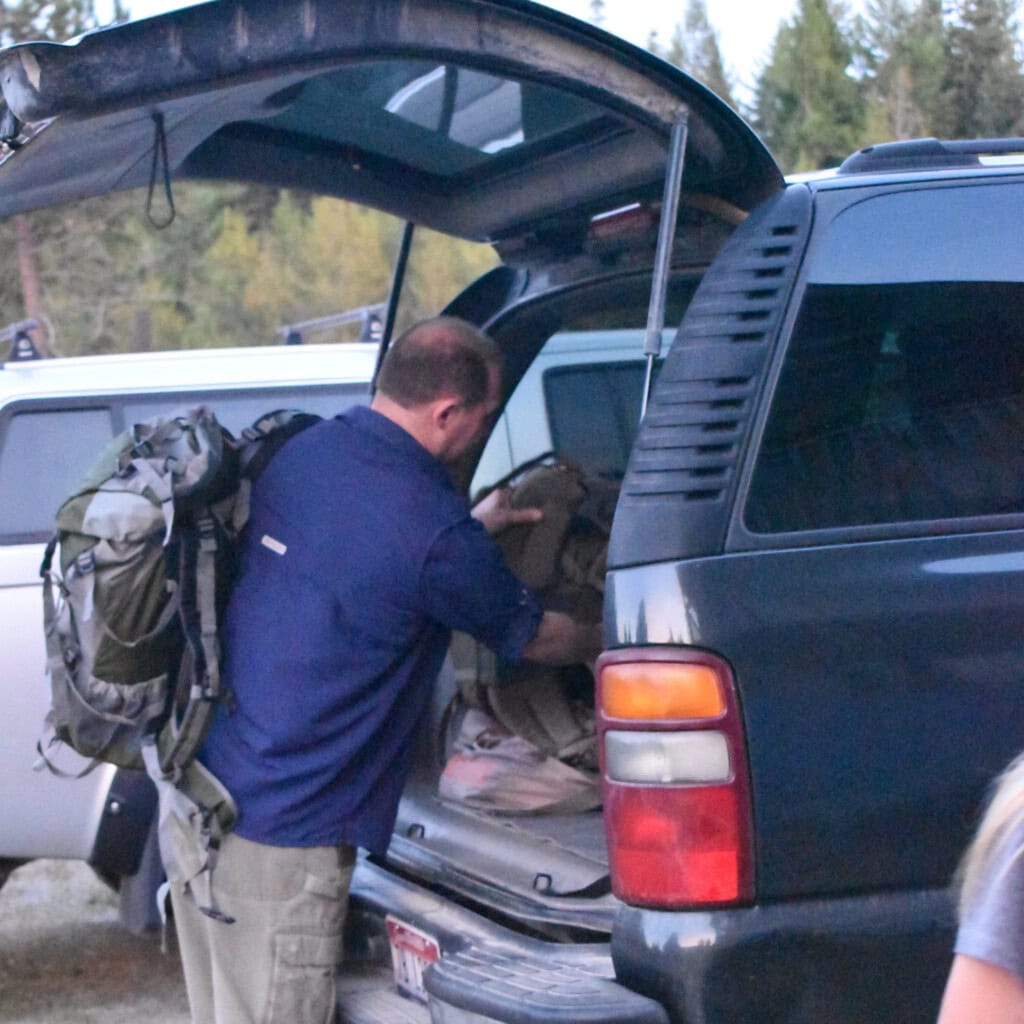
If your family has to ‘report back’ for every step of the plan, you are the single point of failure. One of the best aspects of a strong leader is the ability to delegate and rely on the team (family) members to execute the task.
Leaving yourself as the leader, while they complete the job without you fixes the risk.
If something goes wrong, your kids or spouse can run the paper plan without you. And each person can separate to complete the tasks in parallel rather than sequence. More tasks getting done faster means less is forgotten when you close the door and drive away from the fire.
Emergency redundancy is much easier to accomplish when you have a written plan that others can follow. And it ensures your plans won’t change on a whim when you forget the next step.
The 60-second preparedness plan stress test
Answer these few questions. If more than three of them are a no, you might just be the single point of failure.
- Does each member of your family know how to shut off the utilities?
- Is there a centrally printed document with emergency contacts and addresses that everyone knows not only where it’s at, but how to use (backup comms, PACE plan)?
- Have you collected critical medical information such as blood types and allergies, and have it accessible for emergencies?
- Do you have a financial backup plan or cash stored safely where other family members can access it?
- If there were a fire, flood, or some other emergency, could your family make it out safely without you around?
As you build plans, writing them down and teaching them is the only reliable way to eliminate yourself from being a roadblock. An easy way to look at the problem is this: “If I was hit by a bus today, what would happen to my family tomorrow should the unthinkable occur?”
A PACE plan (Primary, Alternate, Contingency, Emergency) ensures you have four ways to communicate when the grid goes down.
The Handover Protocol: Going from Boss to Leader to System
A boss gives orders. Micromanaging every little detail, they ensure things go exactly as the Boss desires. But when the Boss is away, chaos reigns. With kids in the house, it’s not uncommon for parents to slip into the boss role. Giving orders bit by bit to ensure their kids stay on track. Walk away, and they might just spend the afternoon watching movies instead of doing schoolwork.
Yet in an emergency, this lack of orders could create a delay that stops a child from turning off the power at a critical moment. Boss mode creates a hesitation to take initiative, which can be fatal in a crisis.
Leadership through delegation
True leaders learn how to work with family members. They can assign tasks, walk away, and the task will be completed. Instead of micromanaging every detail, they can give a broad overview of instructions, and the tasks will get done.
You see this all the time in a military unit. The NCO assigns tasks to team members based on the skills each possesses. And the squad carries out the orders.
Your written plan should account for the same delegation based on skill level. While I certainly would not assign my 3-year-old to turn off the gas in an emergency, my 15-year-old should be able to handle this without a hitch.
Analog is king in emergencies
Digital is great for daily work. Computers and phones help us accomplish tasks at a speed that was never possible 30+ years ago. But there are serious drawbacks.
Devices require power to work. Even with the best intentions, if someone forgets to charge the tablet with the emergency plans, you might as well not have a plan at all.
Printed paper does not rely on a battery or cell connection to work. It’s always on and ready for use. Even in the dark, there is always a way to make paper show the plan such as flashlights or chemical light sticks.
Paper becomes the ultimate system that creates success. No extra power needed, brain or otherwise.
Beyond simple checklists: Creating a true handover system
Written plans don’t just give a list of things to grab. They give instructions. ‘Meet at the big tree next door.’ ‘Use the master power breaker found in the hallway closet to turn off the power.’
Your physical preparedness binder is the backup brain to your entire homestead security plan. All the details you can think of, over the course of months (or years) of planning can be stored there.
Operation Security (OPSEC) on Paper
Printed or handwritten pages provide anyone who opens them with the keys to success. No longer are your plans stuck in your mind. They can be shared with kids, your spouse, or even friends and extended family.
Multiple copies can provide plan continuity even with members out of the picture.
Physical pages remove the friction of technology. Wet or bloody hands no longer stop you from accessing the plan and seeing the next step. Who hasn’t tried to open their phone after they cut their finger with no success? Paper, especially in sheet protectors, does not have this problem.
Three vital layers of planning
Your physical plans need to cover three main areas. The depth is up to your family, but a single area missing leaves you vulnerable. You go from a stable tripod to a balancing act.
- Immediate Action – This section should cover what to do and what you need in the first 60 minutes of something happening. Who is going to shut off the gas?
- Stabilization – The first 72-hour window. How and what does your family need to move from panic and confusion to it’s going to be okay?
- Continuity – What does the long haul look like? Typically, your food storage, gardening plans, and long term evacuation plans will live in this section.
Trading mental chaos for quiet confidence
A good plan is not about what you know. It’s about working as a family to survive the little hiccups and large emergencies that come your way. Having a physical preparedness binder empowers your family to execute the plan and remain safe, even when you can’t be there to give the orders.
Family emergency preparedness relies on shared knowledge
Physical binders and plans allow your 8-year-old the ability to give EMTs critical information to save your life when you get injured. And practice gives everyone the confidence to move forward while stress is high, without relying on memory alone to get to safety.
Replacing anxiety in an emergency is key to successful survival. Physical preparedness plans and binders are the tools to replace that anxiety. Because not every emergency will be as simple as turning off the water.
Don’t forget that while you can follow paper in the short term to get by, creating a secure digital vault ensures your legacy can continue. Not just for 72-hours but all time.