Kids never learn well under pressure. Similar to the carrot and stick story we have all heard, you can’t beat preparedness into your children in a meaningful way. And deep drills often feel like the stick.
Contrast this to a family camping trip. Everyone sitting around the campfire eating hot dogs. Your daughter helped gather wood and start the fire an hour ago. Sounds like a fun weekend.
The difference can be light and dark, yet in both scenarios learning took place. Hardcore drills were replaced with hot dogs over a fire, while the skill training happened passively. This hands-on, low pressure learning will stick with your kids for a lifetime.
For those with a little time in boy scouts, you will be familiar with this method of stealth learning. The boys got together and spent a weekend having fun, while learning the very skills needed to survive the camping trip.
Real strength and readiness are built into daily learning. Everyday playing, simple curiosity, and outdoor adventures are worth a million simulated panic drills.
Flipping the script: The true power of stealth learning
Muscle memory is built through hands-on adventure. Operational skills like knot tying, knowing how to pack a bag, or simply starting a fire are easily created when they are framed as a fun weekend.
When you sit down to lecture your kids, they shut down. Ears turn off and minds wander away.
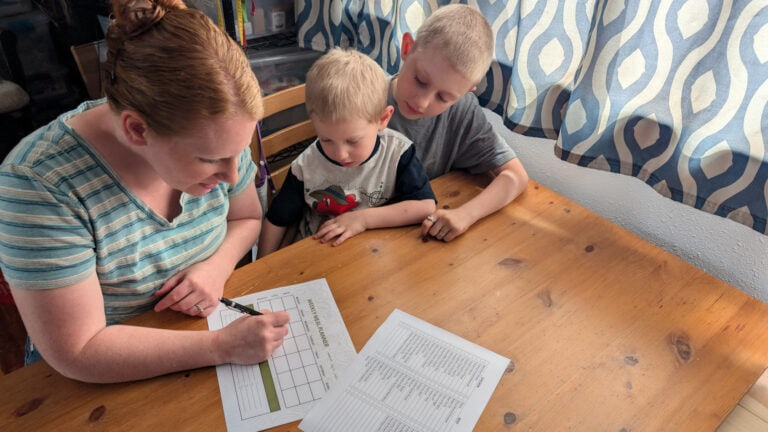
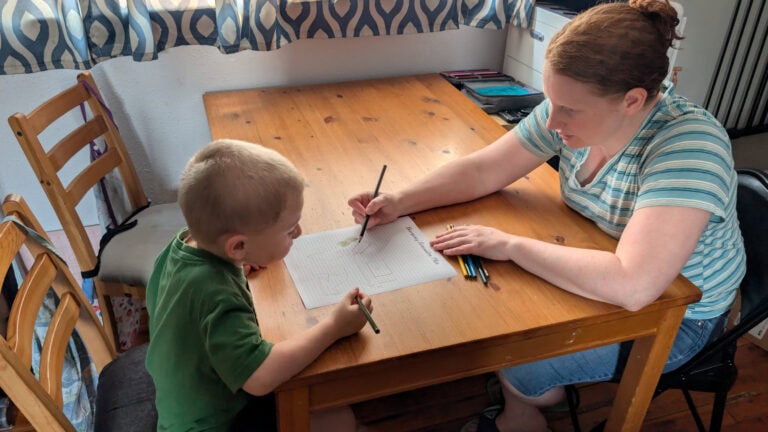
I know from experience when we talk to or teach our 5 kids, they will pick up on what we discuss better when there is something for them to do. Keeping their hands busy connects the brain processing centers. If I want them to remember, there needs to be something added.
Skill building is a part of real life. You don’t need simulated drills to teach preparedness. The same skills that will save a life in an emergency, such as first aid, can be taught and learned over a cut finger.
5 Skill-Building Adventures to Try This Weekend
Skill building does not need to be a big production. These ideas are simple ways to spend time as a family while using stealth learning to enhance your family preparedness. Take a weekend, choose your adventure, and see what skills naturally grow.
Family Camping Trips (Mobilization Logistics)
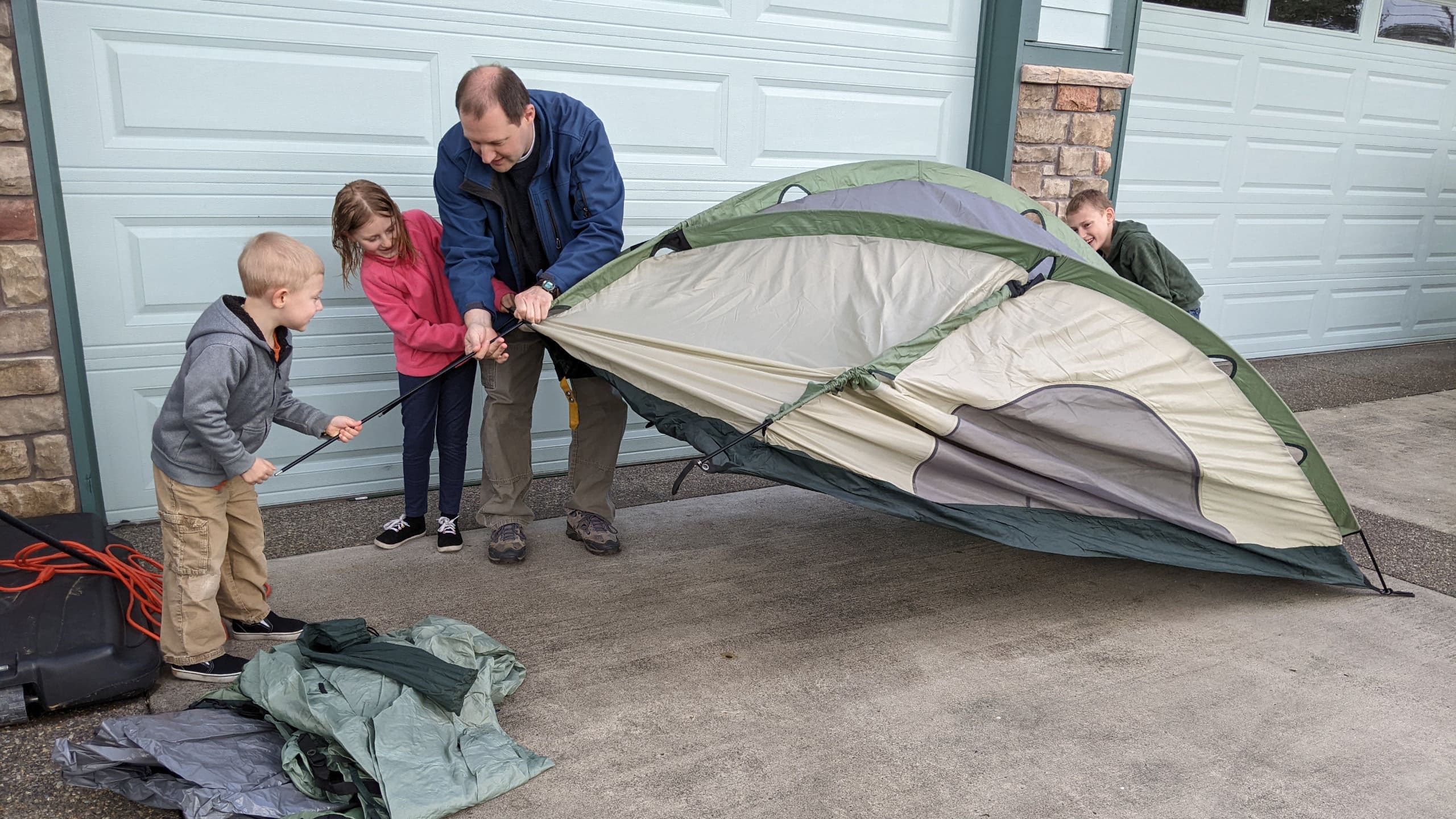
Finding gear and learning to set up camp can be framed as a family challenge.
During an emergency it’s often necessary to evacuate. This requires grabbing the right gear, loading vehicles and setting up base camp somewhere away from home. The same principal applies to a preparing for a camping trip.
Stealth Skills
For the learning aspect of this adventure, teach your kids how to be an integrated part of gear packing. Just because you know where all the tents and camping stove lives does not mean they do.
Instead of running high stress, doing it all yourself, train your kids how to pack and find the right things, while avoiding the bad choices that could lead to disaster. For example, a bag full of candy and no spare clothes is not going to get them very far.
Action Plans
- Packing List Challenge: Give your kids a checklist for their own gear. Have them assemble and verify it’s ready to go.
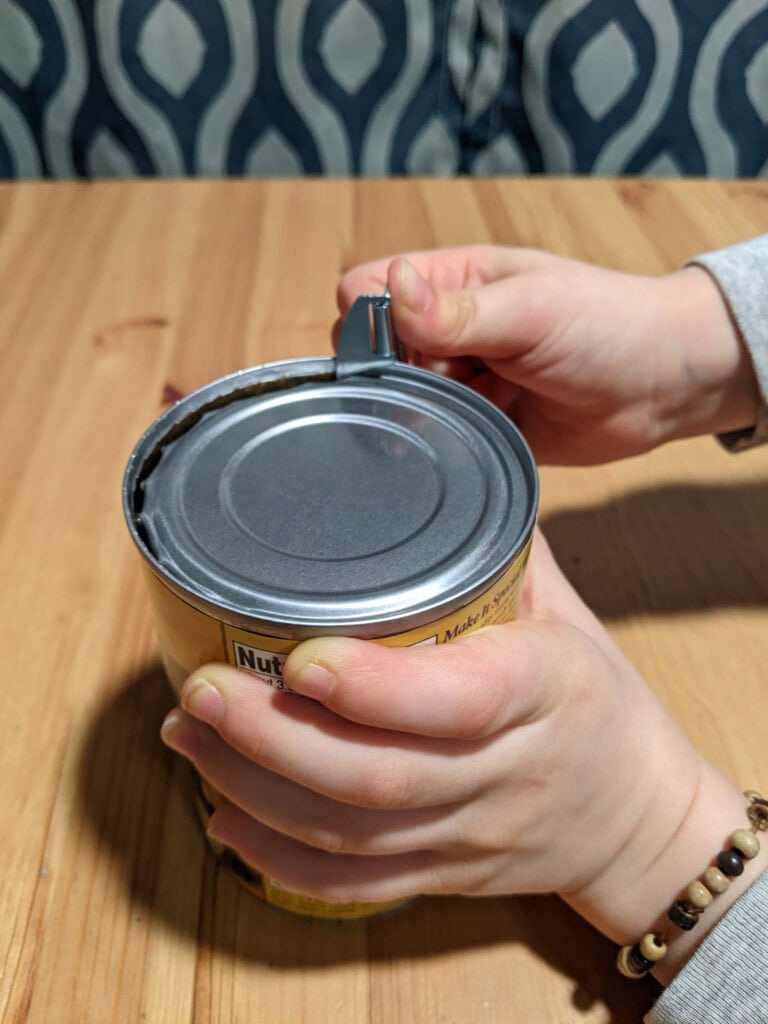
- Camp Craft: Teach basic fire building skills, with a race to boil water in a small can. Weave in a healthy dose of safety and some minor first aid skills like burn treatment.
- Analog maps: Using a map of the park, teach your kids to read the map and navigate to the various amenities through the weekend.
If you want to take it up a notch, restrict all remote communication to a radio and practice your family PACE plan. Prepare a communication plan specific for the weekend using our guide on family communication and staying connected without the grid.
Hiking Excursions (Endurance & Trail Skills)
Carrying a backpack over distance is a different beast from walking down the driveway. And a poorly packed or overloaded backpack leads to disaster. During many scout outings, it was inevitable that a new boy would come with all the wrong gear and be totally unprepared. Stories of cast iron skillets and no rain gear abound.
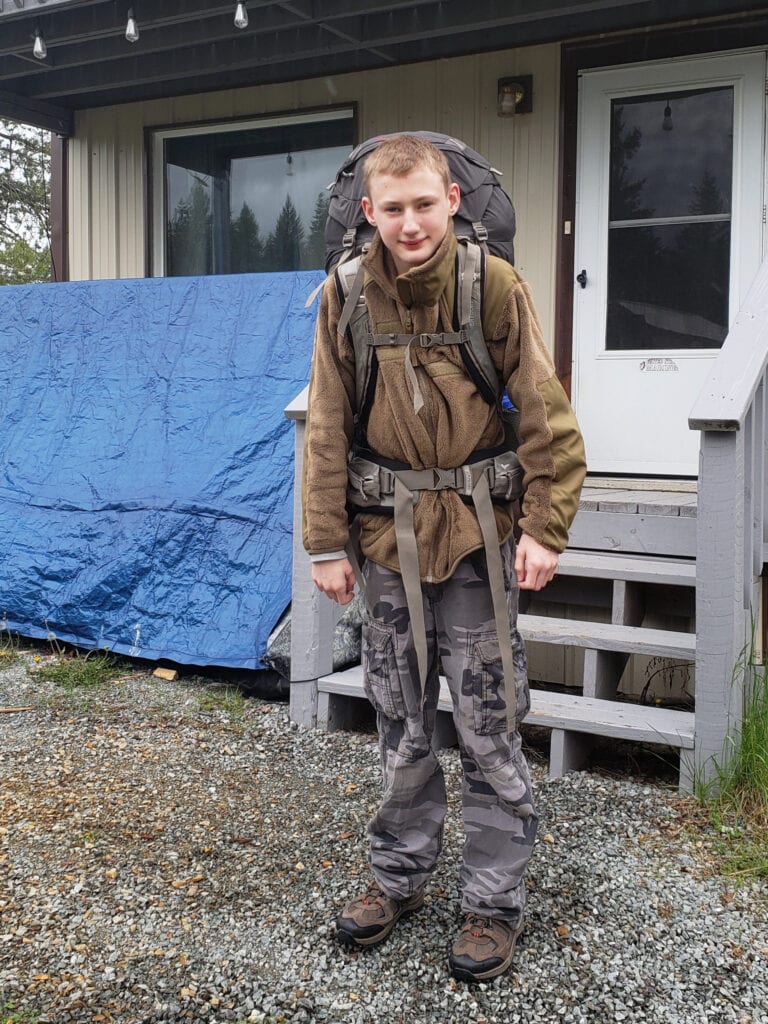
Hiking involves reading the trail, knowing when you should rest, and proper hydration. Lots of little things that all come together to make or break your weekend excursion.
Stealth Skills
Teaching your kids how to balance and load their backpack is a fundamental skill to help them travel the distance. Map and compass skills come in handy even when following a trail.
Another essential skill is showing them how to handle waste and collect and treat water so it’s safe for drinking. There won’t always be a boil water warning from the government or water fresh from the tap.
Action Plans
- Pack balance: Show how to balance and weigh loads before leaving. A 4×4 balance walk can explain the fundamentals of keeping your pack centered, while keeping you safe on uneven ground.
- Water Collection & Hygiene: Plan an adventure that has a stream or natural water source. Have a pit-stop that includes hands-on training for how to use the water filter, or boil water safely. Cover the basics of trail hygiene and safe waste disposal away from water sources.
- Lost & Found: Discuss the importance of remaining calm if lost and work together to establish return & recovery or stay rules. Go over the importance and safe use of whistles and signal mirrors.
Dark Day Camping (Grid-Down Simulation)
In an extended power loss event, panic can set it. But this situation is easy to practice.
Have a dark day campout in the living room by flipping the main breaker and shutting off all electronics. For younger kids, make it a fun adventure to spend a night as a family in their sleeping bags. Teach older kids how to gather the camp stove and cook an at-home meal using backup sources.
Stealth Skills
This exercise is designed to teach kids how to use alternate lighting, off-grid cooking, and psychological comfort when it goes dark. Most of the time these skills will be needed after a storm and power is lost. Yet in a worst case scenario, these skills will be invaluable to their future.
Action Plans
- Blackout Rules: Headlamps, lanterns, & flashlights only. No household electronics, phones, or tablets. Radios are great if you want to practice grid-down comms.
- Camp stove kitchen: Prepare dinner and breakfast using only a portable camp stove and manual kitchen tools. Make sure the kids are fully involved in the different aspects of the meals, including cleanup.
- Living Room Basecamp: Establish a central family sleeping zone. If you are running your simulation in winter, teach about keeping warm without central heating sources.
If you want some ideas for activities to do while you are off the grid, check out our guide: Going off the grid: Family-friendly activities without electronics.
Pantry Chef Challenge (Supply rotation and resourcefulness)
With modern conveniences and what feels like a grocery store on every corner, we often forget to figure out how to use the resources we already have. This challenge focuses on teaching your kids to prepare a complete meal from only what you have in the pantry. Or take it up a notch and block off the fridge and freezer access so they must go with only shelf-stable goods.
Stealth Skills
As the chef in the household, you have to know what you have and what you need for not only today but tomorrow and next week’s meals as well. Teaching how to track inventory and plan meals around what you already have is a critical skill. You should also teach about food shelf-life and how to use alternate meal preparation methods.
Action Plans
- Pantry Raids: Start the kids on a mission to find ingredients that need to be rotated and used. These items could become the base for the challenge meal.
- Mystery Basket: With a pile of random items in hand, it’s time to make a complete meal using the stored staples. Add anything extra you need to complete the meal, but you cannot go shopping.
- Conservation: Practice cooking and cleaning up with a limited amount of water. Take it a step farther by only heating water on the stove.
The Neighborhood Scavenger Hunt (Navigation Skills)
We get wrapped up in our everyday lives, using our phones to navigate the unknown. Navigation with a paper map is becoming a lost skill. It’s even hard to find map books in stores.
On a large scale while driving, no navigation can leave us lost far from home. On a kid scale, no navigation skills can leave our kids lost a few blocks away. This skill building scavenger hunt teaches core navigation and spatial awareness skills, so your kids won’t get lost down the block or in the mall.
Stealth Skills
Knowing what is going on around them and where the exits are is a daily skill that builds immediate safety. If they learn to quickly locate doors when entering a room, they learn how to get out in a fire quickly.
Location awareness skills help them go from hanging out with friends and accidentally wandering to someplace they don’t recognize to planning a way back while still having fun. The ability to navigate without paper creates ways out of bad situations.
It should also cover property utility maps, and landmark only navigation.
Action Plans
- Paper map orientation: Provide a printed or sketched map of your local area. Ask the kids to identify local landmarks and orient them map to their current position and direction.
- Recon and Retrieval: Using a defined list, have them go out and find the items. During the adventure, you can throw in curve balls like closed roads or dangerous strangers by teaching them alternate routes and situation avoidance. Have them retrieve items or locate resources.
- Home Base Security: Teach them how to secure the house from intrusion, access utility shutoffs, and where to hunker down inside to remain safe during events such as tornadoes or storms.
This is a perfect opportunity to have your kids use their everyday kit while exploring. If you have not made ones for your kids yet, check out our kid friendly EDC kit guide.
Parent Rules: Keep it Educational, Not Stressful
As a parent, our first instinct is to swoop in and rescue our kids. But failure is just as important in learning. When the fire fails to start the first time, don’t instantly correct them and certainly don’t get upset.
During many training exercises both in scouts and the military, I was taught to point out a problem and ask a question to lead my team members to a solution, not give them the answer. You need to do the same to help your kids learn new skills.
For example, if the fire fails to light, you might say ‘The wood is damp from the morning rain. What is a workaround so we can get a fire going?’ Let the kids puzzle through the issue and come up with ideas. Guide them to the right answer without giving them the direct answer.
Show patience during the activity, throwing out all timescales while they learn. Help them solve problems by keeping it low pressure. Some challenges will involve a time aspect but always keep it fun while stepping in when needed to keep it fun.
Make sure to follow up and discuss the skills. Review how the skill building exercise went. This could be as simple as discussing the fire build over smores. Remember to encourage your kids as they learn new things.
Preparedness does not need to be it’s own lesson! You can even wind preparedness skills into your homeschooling. If you are not sure where to start, check out our guide on fitting preparedness skills into homeschool days.
Your tasks today
Strong, resilient kids come from an intentional family culture that values capability and independent thought. If you never place challenges in the road for them to overcome, they won’t grow the natural skills they need to survive unknown disasters.
And the skills you teach them while they are young will carry on throughout their lives. My many years in scouting taught me knots. While I don’t use them every day, drop some rope in my hand and I could tie you half a dozen knots. Your kids have the same learning and skill building ability. They are just waiting on you to help them grow.
Now it’s your turn to make that happen. Pick one of these skill building activities and make it happen. Don’t make it a production but do something soon. Family preparedness only happens when everyone is working together. And your kids don’t want you to high-pressure drill them. They really want you to teach them over a fun activity and a hot chocolate.