Real preparedness is not about fear. It’s about building confidence in being ready for unexpected events.
Family preparedness starts with getting your kids involved and planning. When something happens, involved children know how not to be scared. And with these kid-friendly tips, they will understand how to use the gear packed in their 72-hour kit.
According to FEMA, while 80% of Americans live in counties that have been hit by a weather-related disaster, only about 47% have a small emergency kit, and even fewer have a formal family communication plan*.
The steps in this guide will help you create peace of mind for your entire family. Because building family resilience is about more than just gear; it’s about the mindset.
Understanding Family Preparedness
There is a distinct difference between self-preparedness and emergency preparedness for families. Beyond basic items like food or water is a level building up child confidence and eliminating fear through planning and practice.
Children need reassurance that they can do this. They also need to know that you will be there to support them. If emergencies are stressful at the adult level, they easily cause panic at the child level.
A break in routine for an emergency leaves your children unsure of what to do. They might act out, or even worse be timid and unable to function at all. Practicing home drills or working with them on preparing a 72-hour kit helps them be ready to move when something does happen.
Kids benefit from being prepared too!
Just as you feel more at ease and ready to take on a task when you know the details, kids are the same. When you share the plan, they feel at ease. Practice truly does make perfect. When your family makes time to run through the plan, everyone is ready.
You will always worry about your kids. But when they know what to grab, they can go get it and meet you without tears, it takes an instant load off you. This frees you to gather other items and be ready in a timely fashion.
Keeping kids involved in fun ways removes fear and replaces it with confidence. Trading fear for responsibility keeps everyone alive if the worst should happen. It also removes any one person as the point of failure in your plans.
And let’s face it. Being prepared is more than just doomsday. It’s less about atomic bombs and more about winter storms, wildfires, flooding, and local emergencies.
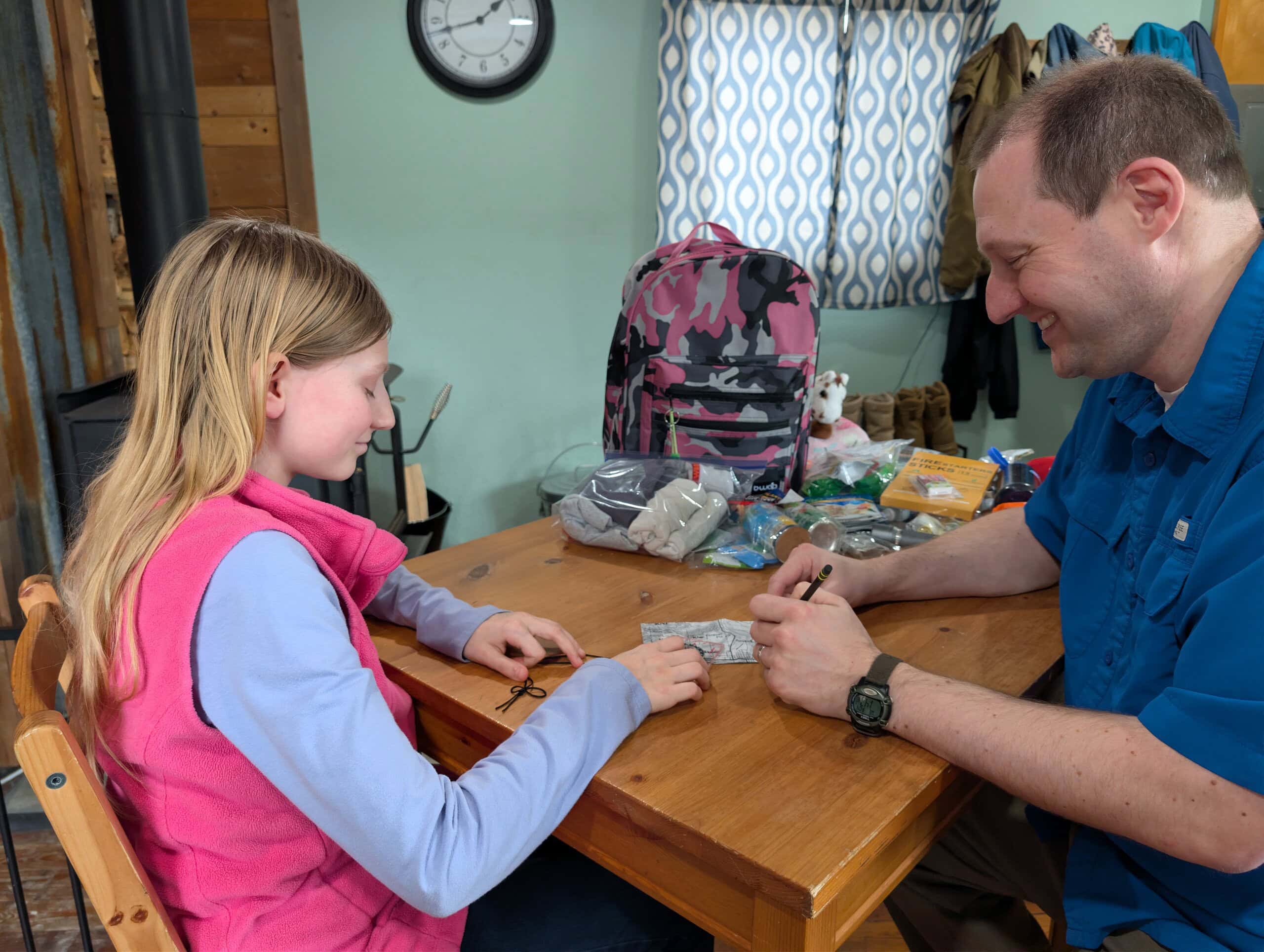
Teaching you children to carry and use a kid-friendly everyday carry (EDC) kit is a great place to start. The kit empowers them to solve minor problems and helps them feel some measure of control over their environment. Even if that’s as simple as putting a bandage on a cut by themselves.
Creating a family emergency plan for real-world scenarios
The first step in creating a family emergency plan is identifying the risks around you. Where you live dramatically changes the hazards you might face.
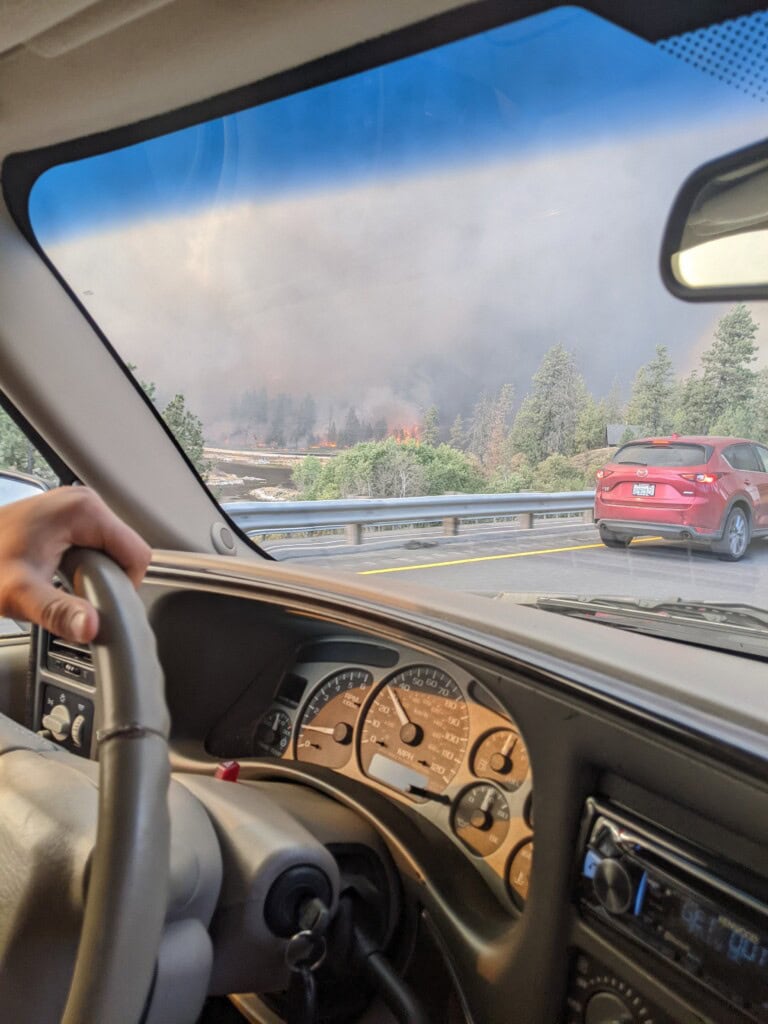
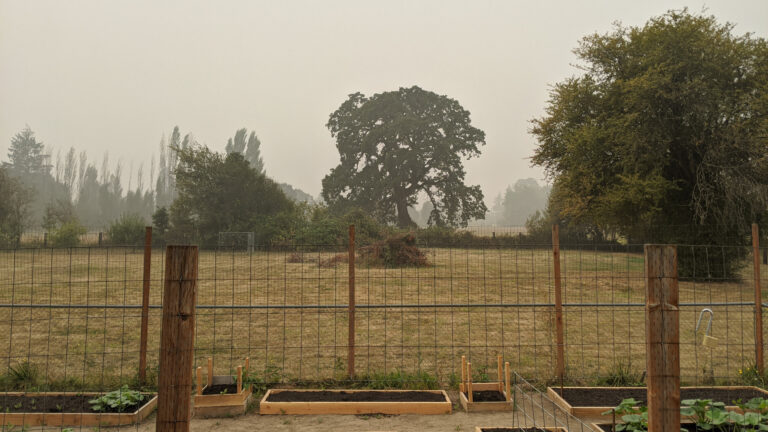
For example, where we live in north Idaho, wildfire season is a part of summer life. Someone living off the coast of Florida would probably need to plan in detail how to handle a hurricane. The same goes for small risks, such as a local creek overflowing its banks, or a massive windstorm taking down trees.
With your list in hand, order them by importance and season. Wildfires are not a big risk in the middle of winter, but power outages sure can be. A well-made plan will account for the time of year and adjust your needed prepared items by season.
I recommend sitting down as adults to create the list. Once you have the list, then it’s time to involve the kids. By starting with a defined list, you create the direction. If your kids are like mine, asking them to help with the list would take hours and add stress.
Assign everyone a job
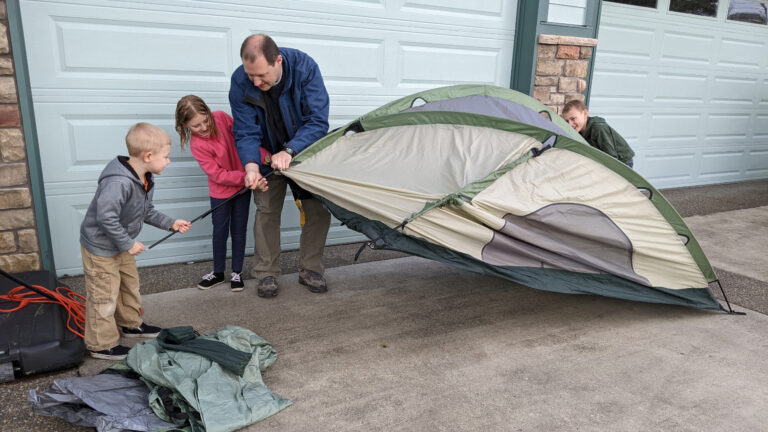
Next up is assigning roles. Each person, no matter how small, needs a job. For our three year old it could be as simple as grabbing his favorite blanket and stuffed animal. Our teenager could be responsible for grabbing emergency bags for himself and anyone under 8.
Let each person be assigned a role and write those roles down. Use pictures if needed to help younger children understand.
Plan ahead where to go
Communicate clearly where family members should meet in difference scenarios. Also decide who needs to take inventory of people and items for the event.
As a simple example, everyone could know to meet by the big tree in the neighbor’s yard should there be a house fire. And Mom knows to count kids and animals twice before making any moves.
With a plan laid out, let’s get into gear.
Have a communications plan
In many emergency situations, regular communication is disrupted. You need to create a plan for getting in touch with immediate and remote family members.
Alternate forms could include HAM radio, online websites such as Facebook for remote members, or even landline phones. Pre-arranged times and days can keep batteries alive longer and still allow for communications with remote family members in long term outages.
This guide covers creating a P.A.C.E family communication plan, which makes it really easy to get your whole family involved.
Avoid a single plan
Different scenarios require different plans.
Don’t try to shove all types of emergencies into a single plan. Instead come up with a plan for each and then look for common traits you can share across the plans.
For example, flooding will often require you to leave your home. And so do wildfires. You can take the key steps found in each and share them. The bags and gear might be the same. Yet the plan of where to meet or how to handle the event could be totally different.
Only post the plans that are in season for your family to worry about. And only drill and practice those scenarios to avoid overwhelming everyone.
Most common threats to prepare a plan for
These are the most common threats in the USA to create a plan for. Remember, adapt each plan and scenario for your area.
- House Fire
- Flash Flooding
- Severe Thunderstorms
- Extended power outages
- Extreme hot weather
- Winter storms or extreme cold weather
- Medical emergencies
- Civil unrest or active terrorist threats
- Infrastructure or bank failure
- Hazardous materials incident
Start your preparedness in 5 minutes
When to go and when to stay
No one can tell you exactly when to go in advance. However, many areas have adopted a Ready Set Go stance to evacuations.
You can always choose to go immediately if your area goes to Ready status, especially if you have plans and everything is prepared. Sometimes it’s easier than fighting a rush to leave.
Or you can choose to hold out until the last minute with everything ready to go. That call comes down to you and your family. How comfortable and ready are you to leave?
While it might be inconvenient to leave when you did not need to, peace of mind comes easy when you no longer have to worry about losing everything or more importantly anyone. See our article on Ready, Set, Go to create a plan and how it might apply to your family.
Listening to local channels
HAM radio, GMRS radio and local emergency service broadcasts are the number one go to places to gather real time news. When a fire breaks out or some other emergency hits, the Go order could come in a matter of minutes leaving you little time.
By listening consistently to regular channels, you might end up being informed just slightly ahead of the mass text sent to everyone’s phone. You can also check for services like Nixle for your area.
How to build a usable 72-hour kit for kids (and adults too!)
Crafting a complete 72-hour kit is a critical step to being prepared. It won’t always be bugging in, and sometimes you will need to get out. Having bags prepared for each member of your family takes away the guess work of what to grab when time is short.
But kids and adults are a little different. Kids will not only need basic gear, but comfort items. Add to that limited weight capacity and packing a complete bag takes skill and a willing need to keep it to the essentials only.
Kid-friendly 72-hour Kits
I always recommend starting with life essentials, comfort, and food storage for families. You need to plan foods that your children actually enjoy eating. Being throw head-first into a situation will unnerve most children (and many adults). By preparing their bags with life essentials and a few comfort items, you can ease this transition.
Food, water and candy or snacks are important. Remember the weight and try to keep it light. If you can replace some of the water weight with a filter the child can use confidently, then I would recommend doing so. Keep food items easy to eat and things they are used to eating.
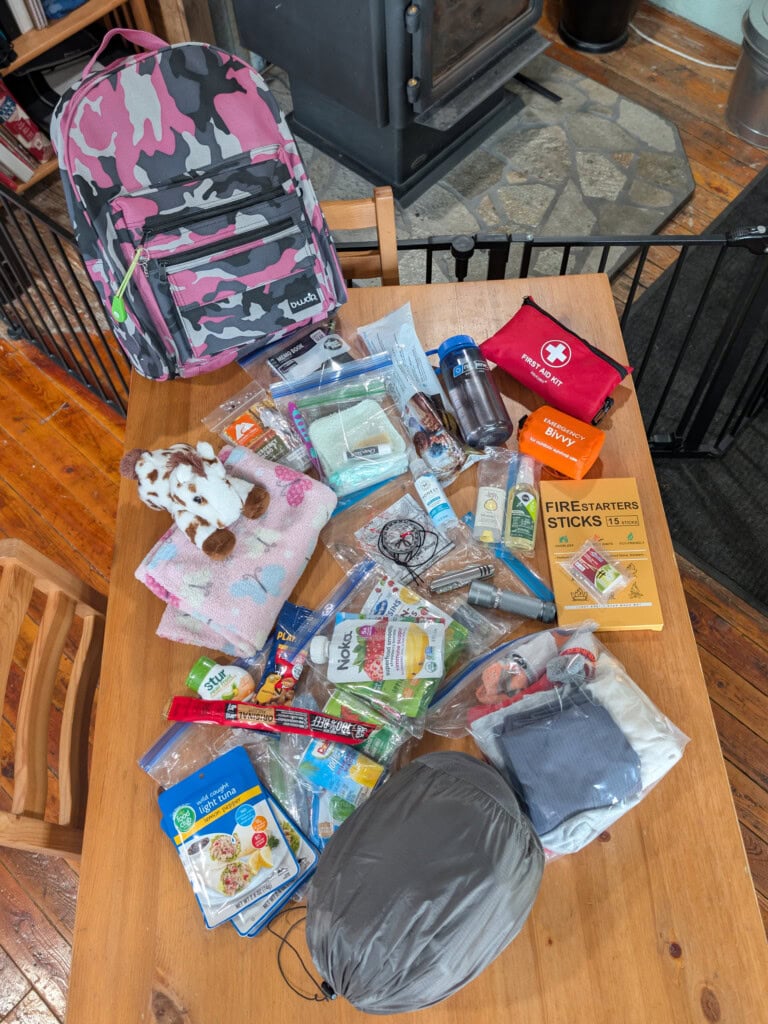
Purchasing backpacks that can be carried as well as rolled can keep the load off young children and allow them to trek farther than carrying them alone.
Don’t forget to pack comfort items such as blankets, stuff animals or favorite toys. You can optionally pack a favorite game to help children pass the time or drawing/art supplies.
Spare clothes for everyone
Nothing is worse than being stuck in a set of wet clothes for hours on end. Mix in a little cold weather and now you have a recipe for disaster.
Keeping seasonally adjusted spare clothes in your bags is a must. Try to have at least a full set, plus lightweight jacket. Socks and underwear can be double or tripled while keeping pants and shirts at a single set to account for weight.
Zip lock bags are your friend, and everything should be bagged to avoid water damage.
Other key essentials
Each family member’s bag should contain copies of critical documents, such as ID. Hygiene kits, light sources, fire making tools, first aid kits and medications should also be packed away.
Adults are likely going to be packing a lot of weight, so keep it minimal when possible. Find lighter versions and avoid overpacking. An ideal pack should not be over 20% of your body weight or around 30lbs for the average adult.
72-hour kit short gear list
Here are our top 15 items that we feel everyone should have in their 72-hour kit:
- Fire Starter OR Matches
- Water Filter & Water Bottle
- Tent OR Emergency Tent
- Sleeping Bag OR Emergency Sleeping Bag
- First Aid Kit
- Flashlight OR Headlamp & Batteries
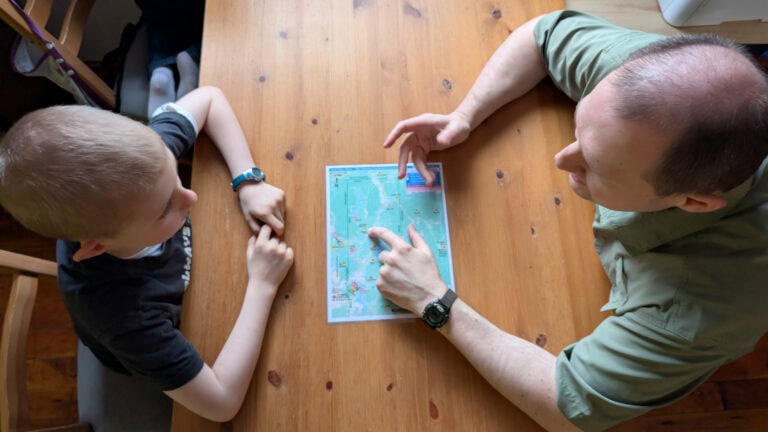
- Compass & Local Map
- Bug Spray & Sunscreen
- Hand Sanitizer OR Eco-Friendly Soap
- Multi-tool or Pocket Knife
- Poncho
- Spare Clothes
- Lightweight Food
- Personal Hygiene Kit
- Notepad & Pencil (with emergency numbers and information inside)
If you want to go even deeper into this topic, check out our article on 72-hour kits and grab a complete packing list.
Save the weight for a vehicle
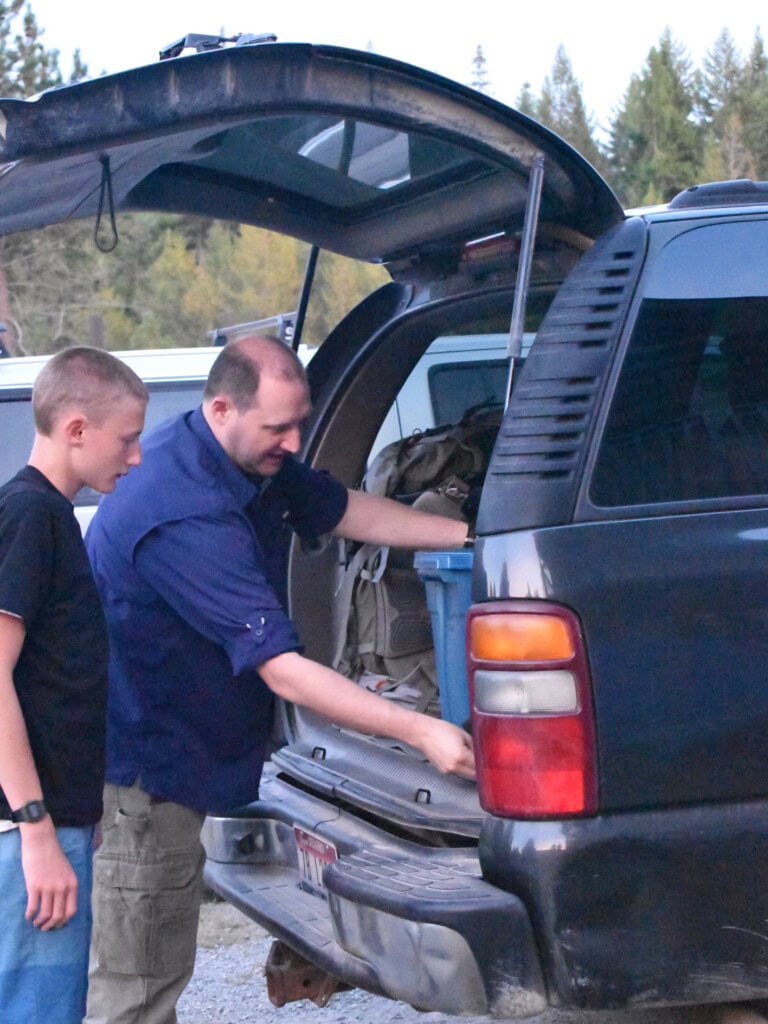
If possible, save extra weight and put it in a car kit. Your vehicle can easily help you haul more items and increase comfort.
You might not always be able to carry these items, so rank them in order of need. Think about a family sized stove or larger sleeping bag that would not be practical to carry. Same goes for large tents or heavy items such as additional weapons if desired.
Pet Preparedness
It’s all too easy to forget our favorite four legged friends when planning and packing. Yet we would be devastated to lose them.
Your plans should include who is responsible for gathering which animals. And pets should also have bags with basic essentials such as food, water, and other key supplies including medicines. Large dogs can carry a light bag, some plan to offload their supplies to pets for carrying them when possible.
Livestock and big animals
During evacuations, large animals will also need a place to go. Many counties will put out a resource ahead of time that has locations for evacuations or make locations like fair grounds open rapidly.
If you do not have the means to transport your livestock, be sure to make any arrangements you can ahead of time. This way you know how to get your animals out without frantically making calls.
Tag every animal
All your animals need tags and collars. You never know when they will get separated, and a tag can bring them home to you after the emergency is over.
For large animals, writing a phone number in non-toxic ink or chalk on their side could get them returned should they be lost or break free in a panic.
Don’t rely on basic brands for large animals, or cheap tags on pets. Instead, double tag with embedded chips or other trackers when possible. The key is to ensure you provide an easy way for local authorities to reach out if they encounter your animal.
Build a family library of documents and plans

Before you can begin planning, you need to build space to store your plans and all key documents for your entire family. For many, this is simply a binder with all plans and copies of the documents that can live on a bookshelf.
Key family documents
While we all would like to think we have time to grab all the needed documents, sometimes you only get a couple of minutes. By scanning and keeping copies of all your critical papers, you save precious time. Start with these documents:
- Birth Certificates for each member of the family
- Marriage Certificate
- Wills and Living Wills
- Driver’s Licenses
- Social Security Cards
- Important medical documents and insurance cards
- Adoption or related paperwork
- Animal registration information
- Preparedness related training and licensing (HAM License, CPR Cards, etc.)
The beginning stages of your binder
Your emergency binder will likely start pretty empty. But one of the first things to add besides documents is a contact page with key contacts.
You should also take the time to ensure your children know phone numbers to key people, including yourself and other adults so they can reach out if they get separated from the family.
It’s important to backup your documents digitally, and carry a copy with you. This way you are never without important items like insurance information or medical records. Our guide on securing your family records teaches you how to scan, what you should back up, and most importantly how to ensure your digital vault is safe.
Start your preparedness in 5 minutes
Preparing children without fear
Teaching your children what can happen in an emergency might seem a little scary at first. Do you really want them to know?
But the truth is, showing them what can happen before the worst gives them time to process the risk in a safe environment. You don’t need harsh drills to teach preparedness skills either.
In our guide on practicing preparedness, I cover 5 different ways to teach preparedness skills while doing everyday fun activities with your kids.
Teach age appropriate skills
Only you know what your children are ready for. But teaching them skills helps prepare them for future events.
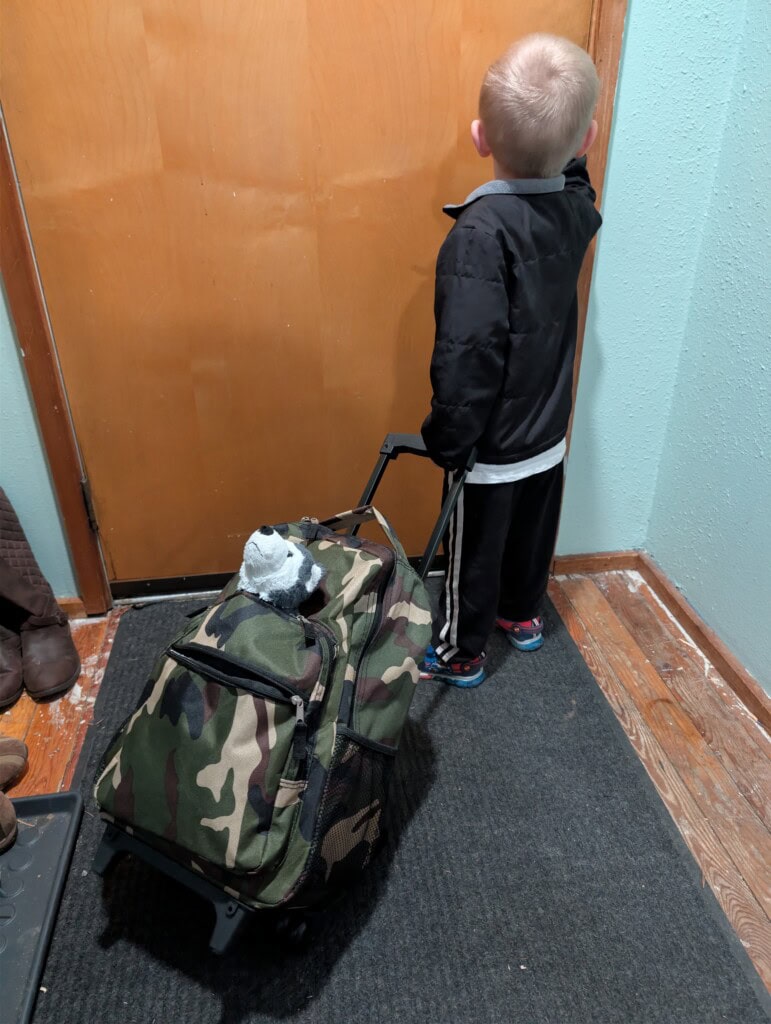
Younger children (generally 6 and younger) should learn about house fires and evacuation plans at minimum. Teach them where to meet and where their bags are. As you prepare 72-hour kits, children in this age group can help by finding the items and bringing them to you. Teach them how to load the items in their bag. Ideally, find a bag they like. Keep lessons short and have fun.
The next age group should start learning skills with the gear in their bag. Most seven to twelve year olds can confidently practice first aid, fire starting, radio skills, and easily participate in family evacuation drills. It’s not a stretch to show them past disasters and teach them how to react should that disaster strike again.
While this age group has a larger learning span, watch for them to be done and cut lessons short when needed. It’s better to keep attention and fun that it is to pound a lesson home.
Teenagers are probably the easiest group. In addition to learning life skills, they should be taught how to handle themselves in an emergency. Learning confidence and the ability to stay calm in stressful situations is key to success in a true emergency.
If desired, make it a bring-a-friend activity, with a treat and movie afterwards.
Slow and steady wins the race
Teaching comes over longer periods of time. Pick a single topic per month and focus on that. For example, you could tackle house fires one month and floods another.
Choose a 12-month schedule around your chosen emergencies. Incorporate lesson time and hands on time to break up difficult topics and keep attention.
Avoid fear mongering
The last people in the world we should try and drive fear into is our own family. Instead of focusing on the bad things, focus on positive outcomes that can be achieved through being prepared.
Find activities to bring everyone together and avoid arguments.
Staying prepared over the long haul
Family preparedness is never just one and done. Plans will always need updating. Bags will need rotation to avoid spoilage.
Create a plan or checklist
To keep on a successful schedule, you need a family disaster checklist containing a list of monthly tasks. This should include going over plans and updating anything out of date.
It’s even easier if you include updating the plans as a pre-cursor to teaching them each month. For example, before going over the house fire evacuation plan as part of fire awareness in March, you should do a quick once over and update anything key, like the neighbor cutting down the tree you are supposed to meet around.
Rotation is critical to success
A bag prepared in winter will do little good in the height of summer.
Make it a point to go through every bag and rotate items such as clothing and food at least every six months to ensure the bags are always there when you need them. Fresh food and water should be swapped in and out to avoid spoilage.
Food storage rotation is critical. Even if you don’t have to go, having outdated food on the shelf gets you nowhere fast. If you don’t have a food storage plan set up yet, check out our article on long-term food storage basics to get you started.
Keep it simple
Complexity will kill success. If you make complex plans and then expect everyone to remember them (and you want to do them) you will fail.
An easy plan, with few moving parts is much easier to update and teach than ones that require a textbook. There is a reason most fire plans are simply a star with “You are here” and lines showing the exit.
Family Preparedness starts when you act
You can read all the articles in the world, but if you never pack a bag, you are not more prepared than the person who reads nothing.
The key to a calm, prepared family and kids that don’t panic is practice and planning. If you took 20 minutes a month to plan and cover a single topic with your children, your entire family would be ahead of the game and more prepared than 80% of all families.
If you want peace of mind and preparedness for more than the random “big one” that you hear people prepping about, the time to start is today. Pick an emergency and get to work. Get your kids involved and stop feeding fear.
Remember, preparedness is just a small piece of the puzzle. If you are new here, we wrote a complete guide on Homesteading for Beginners which goes beyond basic preparedness and extends to stocked pantries, kitchen skills and so much more.
* – Statistics referenced from FEMA’s Household Survey (https://fema-community-files.s3.amazonaws.com/2023-National-Household-Survey.pdf), along with https://rebuildbydesign.org/atlas-of-disaster/ and https://riskandresiliencehub.com/are-americans-prepared-for-disasters-femas-survey-reveals-key-findings/